In a nutshell
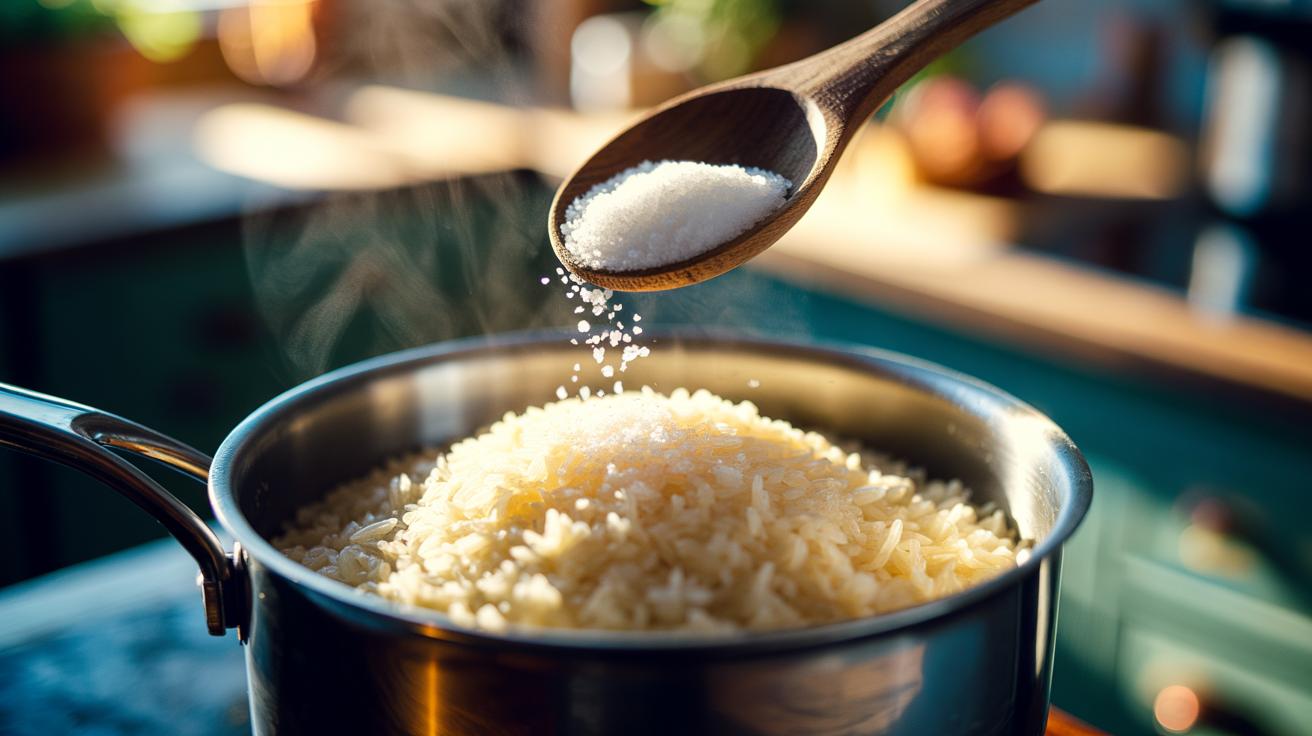
- 🍚 A spoonful of salt raises water’s ionic strength, moderates starch swelling (amylose/amylopectin), and yields fluffy, separate grains.
- 📏 Get the ratio right: about 1:1.5 (rice:water) with ~5 g salt per 250 g rice; adjust water by variety and measure salt by weight.
- ⏱️ Timing matters: add salt to the water before or as rice goes in for even hydration; late salting seasons only the surface.
- 🧪 Troubleshooting: rinse, soak basmati, avoid stirring under the lid, rest 10 minutes, then fluff; finish stubborn batches in a low oven or add a little oil/butter.
- 🛟 Rescue clumpy rice with a light brine (1/2 tsp salt in hot water), then low-heat steam-off; beware over-salting, and vary ratios by grain (basmati, jasmine, parboiled).
Rice can be maddeningly capricious. One day it’s pillowy and free-flowing; the next it’s gummy, clumped, and oddly heavy. Here’s a simple fix that sounds almost too easy: add a spoonful of salt. Not just for flavour, but for physics. A measured dose of salt changes how the grains drink water, how starches swell, and how steam moves through the pot, producing a lighter, more fluffy finish. It’s quick. It’s reliable. And it works with basmati, jasmine, even sturdy long-grain. The trick is understanding why salt transforms texture and exactly when to deploy it. Master those details and your rice will stop misbehaving.
The Science Behind Salt and Fluffy Rice
Rice texture lives in its starch. Two molecules dominate: amylose and amylopectin. When heated, they gelatinise, absorbing water and softening. Add salt to the equation and the water’s ionic strength rises. That subtly changes how starch granules swell, limits surface stickiness, and helps grains hold their shape. In practice, that means fewer gluey clumps, more separation, and a drier, lighter mouthfeel. It’s not magic. It’s chemistry, harnessed in your saucepan.
There’s also a gentle osmotic effect. Salted water draws moisture more evenly into each grain, so the outer layer doesn’t collapse before the centre cooks. Even hydration equals even tenderness. The boiling point nudge is tiny, but it does encourage steadier heat transfer and more predictable steaming at the end. Result: grains that stand tall rather than slump. Note that too much salt pulls water too aggressively and toughens the outer layer. Balance is everything. A level teaspoon is often plenty for a family pot. Taste matters, but texture is the quiet victory you’ll notice first.
Getting the Ratio Right: Salt, Water, and Rice
Precision wins. Think in grams and millilitres, not vague pinches. For everyday long-grain or basmati, start with 1 part rice to 1.5 parts water by volume (or 200 g rice to about 300 ml water) plus a level teaspoon of fine salt (~5 g). That’s your baseline for distinct, fluffy grains. Prefer softer? Add 30–50 ml water and keep salt steady. Cooking for low-sodium diets? Halve the salt but rinse thoroughly to reduce surface starch and compensate texturally. It’s the relationship between salt and water that sets the texture dial, so tweak one change at a time and record results in your kitchen notebook.
| Rice Type | Water Ratio | Salt per 250 g Rice | Texture Outcome |
|---|---|---|---|
| Basmati (rinsed, soaked 20 min) | 1:1.5 (rice:water) | 1 tsp (~5 g) | Long, separate, aromatic |
| Jasmine (rinsed) | 1:1.25–1.4 | 3/4–1 tsp | Tender, slightly clingy, not mushy |
| Long-Grain (parboiled) | 1:2 | 3/4 tsp | Very separate, resilient |
| Short-Grain | 1:1.2–1.3 | 1/2–3/4 tsp | Plush yet defined, less gluey |
Weigh your salt if you switch brands. Flaky sea salt is airier than table salt; a teaspoon won’t match by mass. For consistency, 5 g per 250 g rice is a dependable rule of thumb.
Timing Matters: When to Add Salt for Best Results
Add salt early. Stir it into the hot water before the rice goes in, or add it immediately after rinsed rice meets boiling water, then give a brief stir. Salting the water upfront ensures every grain is seasoned and conditioned for even hydration. If you wait until the end, you only season the surface and miss the structural benefits. Early salting also moderates surface stickiness during the crucial first minutes, when starch leaches most readily if disturbed.
Rescue scenarios? If your rice is slightly clumpy but not waterlogged, dissolve 1/2 teaspoon of salt in 60 ml hot water, sprinkle sparingly, fluff with a fork, then finish over very low heat, uncovered, for 3–5 minutes to let steam carry the brine through. This draws surface moisture and encourages separation. It won’t fix fully overcooked, burst grains, but it can turn “almost there” into “that’ll do nicely”. For pilafs or fried rice, salt early in the sauté phase so the grains are set up for later tossing without tearing.
Troubleshooting and Chef-Level Tricks
Start with a rinse. Two or three changes of cold water until it runs mostly clear remove loose starch that even salt can’t tame. For basmati, a 20–30 minute soak primes the core and prevents broken grains. Add your measured salt to the pot, not the soak. Then: bring to a lively simmer, lid on, and cook undisturbed. Resist stirring once the lid goes on; agitation makes glue. After the heat is off, rest for 10 minutes and fluff with a fork to vent excess steam and dry the surface for that coveted floaty finish.
Want an edge? Add a teaspoon of neutral oil or a knob of butter with the salt to lightly coat starch, improving separation. Finish stubborn batches in a low oven (140–150°C) for 5–10 minutes to shed moisture without overcooking. Use consistent salt: fine sea salt or table salt for predictable dosing; if you love flaky sea salt, weigh it. Finally, match method to grain: jasmine likes a touch less water and a gentle flame, while parboiled rice tolerates higher heat. Control salt, water, agitation, and rest, and you’ll control texture.
In the end, that spoonful of salt isn’t just seasoning; it’s a steering wheel for starch behaviour, hydration, and steam. Used with intention, it delivers rice that feels light, tastes bright, and carries sauces without collapsing under them. Keep your ratios steady, add salt early, and let the pot work in peace before a confident fluff. The change is immediate, obvious, and repeatable. Ready to test one small tweak at dinner and taste the difference—then push the dial to find your perfect texture?
Did you like it?4.5/5 (24)