In a nutshell
- 🌱 Eggshells supply slow-release calcium carbonate, buffer soil acidity, improve aeration, and support root meristems, helping roots regrow quickly with microbial assistance.
- 🥚 Prep for speed: rinse and bake shells, grind to fine powder, apply modest doses to pots or top-dress; create a vinegar-reacted eggshell extract for a rapid calcium pulse.
- 📍 Best use cases: works in acidic soils and for fruiting crops (tomatoes, peppers); avoid in already alkaline beds and for acid-lovers; monitor pH to stay balanced.
- ⚠️ Myths and cautions: shards don’t stop slugs; blossom end rot is often a watering/transport issue; always dry shells, apply little and often, and pair with compost for biology.
- 🔬 Case study: balcony chillies rebounded in 5–14 days—better turgor, new feeder roots, steady flowering—thanks to particle size, smart placement, and hydration.
Gardeners love a quick win. Few household cast-offs deliver so much quiet power as the humble egg. When crushed eggshells meet soil, something remarkable happens below ground: microscopic fragments release calcium, moderate acidity, and invite microbes to get busy. Roots respond. New tips push out. Leaves look steadier, less stressed. This isn’t magic but chemistry and texture working together. Prepare shells properly and you can nudge struggling plants back to vigour surprisingly fast. The trick is particle size, contact with moisture, and a dash of acidity to unlock minerals. With a kettle, an oven, and a jar, your kitchen waste becomes a subtle, long-tail root tonic.
Why Eggshells Work at the Root Zone
Eggshells are mostly calcium carbonate bound in a lattice that plants can use over time. Calcium is more than a nutrient; it’s the scaffold of cell walls. It stabilises root meristems—those vital tips that divide, extend, and explore. When soils run short, roots stall. Tips brown. Water flow falters. Add finely crushed shells and you add both a slow-release liming effect and a structural grit that keeps pores open. Better aeration and steadier pH create conditions where roots breathe, feed, and regrow.
There’s speed in the method. Powdered shells have vastly increased surface area, so microbes and weak soil acids dissolve them faster. Blend with a mild acid—such as a splash of vinegar in water—and you form small amounts of soluble calcium salts that plants can access sooner. This doesn’t turn shells into instant fertiliser, but it accelerates the first pulse of availability. Meanwhile, the remaining particles keep buffering acidity and hosting microbial biofilms. The result is a one-two: a quick nudge for tired roots, then a steady tail of calcium that sustains new growth.
Preparing and Applying Crushed Eggshells for Speed
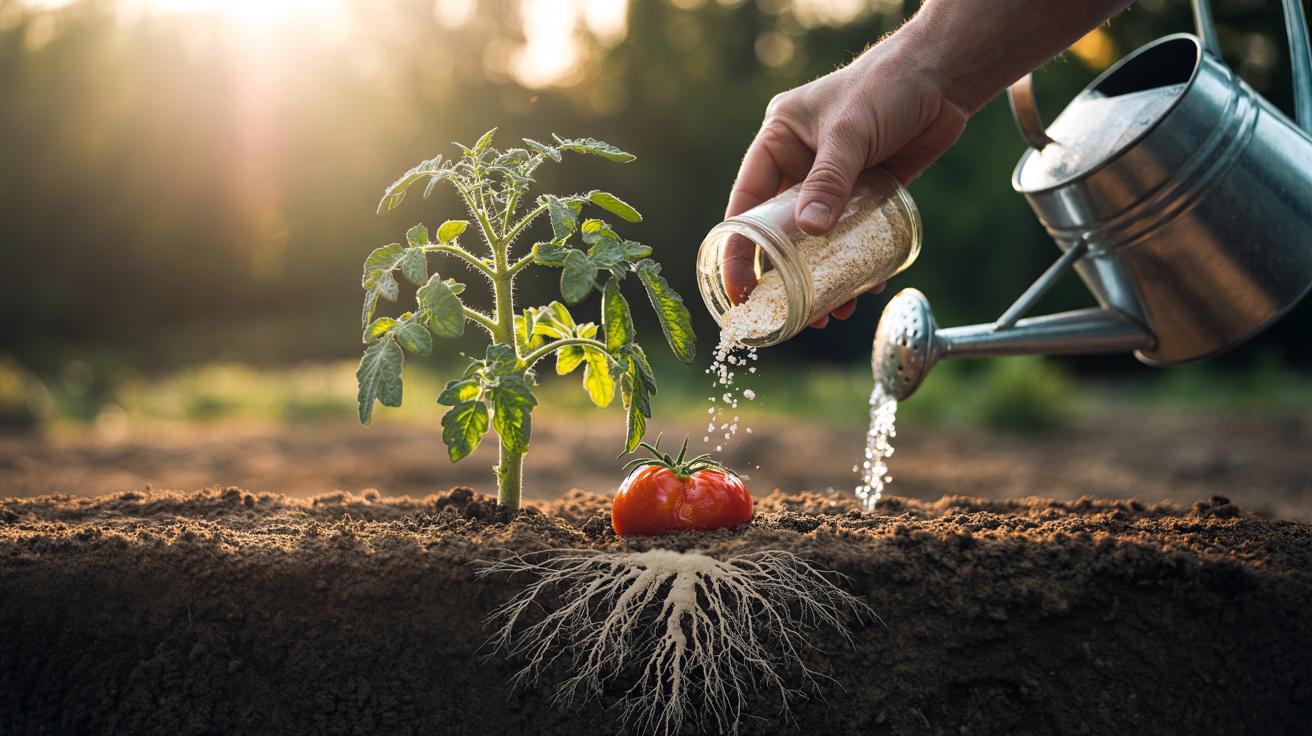
Rinse shells to remove membranes, then bake at 100–120°C for 10–15 minutes. Dry shells shatter cleanly and store safely. Grind to a fine powder—think flour, not gravel—using a coffee grinder or mortar. Fine particles act faster because more surface touches moisture and soil acids. For potted plants, mix 1–2 teaspoons of powder per litre of fresh compost. For existing plants, top-dress 1–2 tablespoons around the dripline and scratch in lightly. Water well to seat the particles in the root zone.
Need a quicker kick? Make an eggshell extract: add 1 tablespoon of white vinegar to 500 ml hot water, then stir in 2 tablespoons of eggshell powder. Let it fizz for 10–15 minutes, top up to 1 litre with water, then drench the soil. The fizz signals carbonate reacting to form a modest amount of soluble calcium—useful for recently repotted or nutrient-stressed plants. Pair with compost or worm castings to add biology and trace nutrients. Avoid using sharp, unground shards; they break down slowly and add little in the short term.
| Form | How to Make | Speed of Availability | Best Use |
|---|---|---|---|
| Coarse crushed | Bake, crush by hand | Slow | Long-term pH buffering, soil texture |
| Fine powder | Bake, grind to flour | Moderate | Routine potting mixes, top-dress |
| Vinegar-reacted extract | Powder + mild vinegar + water | Fast (limited pulse) | Quick rescue for tired roots |
| Compost-blended | Mix powder into compost | Steady | Healthy microbial release over weeks |
When Eggshells Help, and When They Don’t
Eggshells shine in acidic soils (pH below ~6.0), where calcium is often limited and aluminium toxicity can nip roots. They’re also helpful for heavy-feeding fruiting plants—tomatoes, peppers—because renewed root growth steadies water uptake during flowering. Where soils are already alkaline, shells can push pH too high and lock out iron and manganese. In those beds, use compost and mulch instead, and skip the shells for acid-lovers like blueberries, camellias, and azaleas.
Common myths deserve a cold eye. Shards won’t reliably deter slugs. Raw shells can carry odours and unwelcome bacteria—always dry or bake. And while calcium supports fruit integrity, blossom end rot is usually about uneven watering and limited transport, not a simple lack of calcium in soil. The eggshell fix works by improving root function and soil conditions so calcium gets where it’s needed. Measure pH once a season, and apply modest amounts—little and often beats one heavy dump. Pair shells with organic matter. Microbes are the quiet middlemen making minerals flow.
Quick Case Study: From Limp Roots to New Growth
In early May, a London balcony gardener noticed her potted chilli plants sulking. New leaves emerged small, roots clung to the pot’s edge, and watering seemed to run straight through. She repotted into fresh peat-free compost mixed with two teaspoons of eggshell powder per litre and watered in with a 1:4 diluted eggshell extract. The aim was twofold: a quick calcium pulse to steady membranes, and fine particles to keep pore spaces open.
Five days later, turgor returned. Not fireworks—just steadier leaves and pale tips thickening. By day ten, white feeder roots threaded the new compost. A fortnight in, flowers set without drop. Nothing else changed: same light, same feed schedule. The difference came from better root-zone conditions. Could another amendment have worked? Possibly. But shells were free, clean, and effective when milled fine and used with restraint. The lesson is simple: preparation, particle size, and placement decide whether eggshells act slowly or deliver a timely nudge.
Eggshells are not a silver bullet, but they are a clever, circular tool: kitchen waste turned into root therapy with a grinder and a jar. Used thoughtfully—powdered, placed close, sometimes pre-reacted—they accelerate recovery while building longer-term resilience in the soil. That’s the quiet magic: immediate support plus structural improvement. Start small, observe, and let the plants tell you what works. Which of your tired pots or beds could benefit first from a fine dusting of calcium-rich shell, and how will you test the difference over the next few weeks?
Did you like it?4.5/5 (30)