In a nutshell
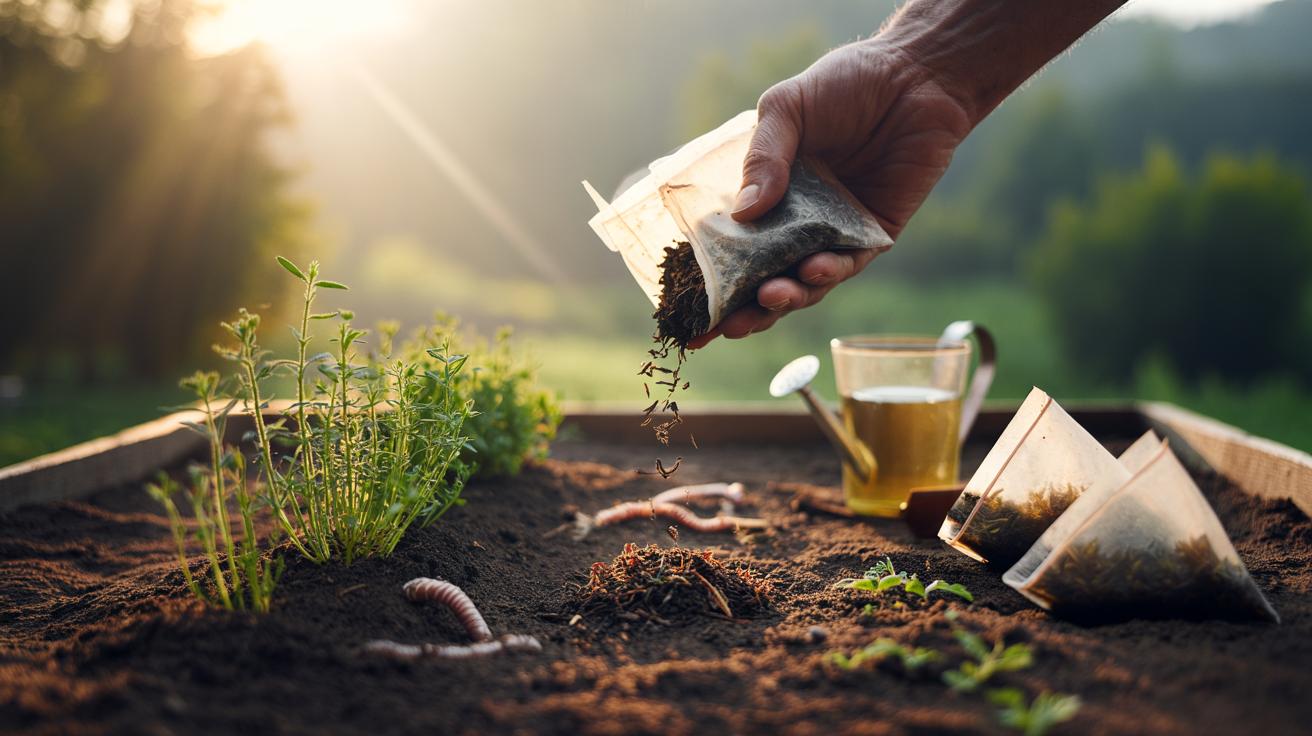
- 🌿 Teabags act as organic matter that fuels soil microbes—bacteria, fungi, and worms—delivering structure, moisture balance, and a mild nitrogen boost; the real magic is a microbial stir, not a fertiliser hit.
- 🛡️ Use safely: split suspect bags to avoid microplastics from polypropylene or nylon, compost only plastic-free papers, and keep inputs clean—no milk, sugar, or perfumed oils.
- 🧪 Practical methods: add spent leaves to compost with dry “browns,” make a light tea drench (steep briefly, then dilute 1:5), or blend leaves into potting mix at 5–10% volume for microbial activity and structure.
- ⚖️ Mind pH and plant fit: tea is slightly acidic, suiting acid-loving plants (blueberries, azaleas, strawberries); keep brews weak, watch leaf signals, and match tea type and strength to your water hardness.
- 🚫 Avoid pitfalls: don’t bury whole soggy bags (they mat and invite gnats), skip flavoured blends, and remember tea won’t replace a balanced fertiliser—pair it with compost or slow-release feeds for steady growth.
Gardeners love a shortcut that still respects the soil. Teabags often sit at that sweet spot: humble, cheap, hiding surprising power. Brewed leaves deliver a modest flush of nutrients, and their fibres become food for the underground workforce. Done right, they help seedlings establish, perk up tired pots, and reduce waste headed to landfill. Done badly, they attract pests and add plastics you don’t want in your beds. The trick is knowing what’s in the bag, how strong to brew, and which plants benefit. Used smartly, teabags can be a neat, low-cost boost to living soil—without the chemical hangover.
Why Teabags Feed Soil Life
Tea leaves are small packets of organic matter. When they decompose, they feed the soil’s microscopic guild: bacteria, fungi, protozoa, and friendly nematodes. That living community cycles nutrients into plant-available forms, building crumbly structure that holds moisture yet drains cleanly. Tea brings modest nitrogen, tiny amounts of potassium, and a cocktail of polyphenols and tannins. Those compounds can chelate minerals, nudge pH locally, and help deter some pathogens while encouraging others. It’s a dance, not a sledgehammer. The real magic isn’t a fertiliser hit; it’s a microbial stir.
Caffeine? It exists, but its direct effect on growth is overstated. Far more important is the carbon-to-nitrogen ratio of the shredded leaves and the way their fine particles knit into potting mixes. In containers, that can mean steadier moisture and fewer nutrient swings between waterings. Outdoors, worms drag fragments into the profile, leaving castings rich in plant-friendly ions. Consistency beats quantity: small, regular inputs of tea-based matter are kinder to soil than occasional dumps of high-salt feed. Aim for balance; partner tea remnants with browns like dry leaves to keep decomposition sweet-smelling and aerobic.
From Kettle to Compost: Safe Ways to Use Teabags
First rule: know your bag. Many heat-sealed teabags contain polypropylene or nylon mesh; those should not be buried whole. If in doubt, split the bag, empty the leaf contents, and bin the casing. Paper-only bags, unbleached and string-tied, can be composted, but they still break down slowly. When speed and cleanliness matter, use the leaves, not the bag.
Three practical routes work well. One: add spent leaves to your compost heap, mixing with dry carbon (shredded cardboard, straw) to avoid clumping and sour smells. Two: brew a light “tea fertiliser” by steeping one used bag per litre of water for 6–12 hours, then dilute 1:5 and water the root zone of herbs, leafy greens, or bedding plants. Three: fold squeezed leaves into potting mixes at repotting time—no more than 5–10% by volume—to enhance structure and microbial activity without turning mixes soggy. Keep kitchens clean: no milk, no sugar, no flavoured oils sneaking into the soil food web. Clean inputs protect seedlings from moulds and gnats.
Brew Strength, pH, and Plant Preferences
Tea is slightly acidic. That can be a gentle boon for acid-loving plants such as blueberries, azaleas, camellias, and strawberries, especially in hard-water regions where limescale pushes pH up. Dilution matters: a light brown tint in the can is plenty. For neutral-pH vegetable beds, treat any tea drench as a microbe tonic rather than a pH lever, and apply sparingly—every few weeks in the growing season. Watch the leaves: if growth is lush but floppy, you’re overdoing nitrogen; if tips crisp, the brew is too strong or salts are building. Small sips, not gulps.
| Tea Type | Key Compounds | Best Use | Caution |
|---|---|---|---|
| Black | Tannins, modest N | Compost feed; light drenches | Can darken mixes; dilute well |
| Green | Polyphenols, mild N | Seedling-friendly microbe boost | Avoid on fresh alkaline lime |
| Herbal | Varies; often low N | Compost bulk, moisture retention | Skip oils/fruit-flavoured blends |
Synchronise with your water. In chalky areas, a tea drench can nudge local chemistry towards what roots prefer. In soft-water zones, keep brews weaker and lean on well-made compost for the heavy lifting. Plants speak quietly—regular observation beats rigid schedules.
Common Mistakes and Evidence-Based Cautions
Not all teabags are plant-safe. Mesh pyramids and many heat-sealed papers shed microplastics, especially when steeped hot. Those residues persist in soil and do not feed anything you want. Solution: use loose-leaf, split suspect bags, or choose verified plastic-free brands. Another misstep is burying whole soggy bags in pots; they mat, repel water at first, then turn anaerobic, inviting fungus gnats. Spread the leaves thinly or compost them properly with airflow and carbon-rich material.
Be wary of additives. Perfumed or flavoured teas can carry oils and sweeteners that upset the soil microbiome. Peppermint and chamomile are generally gentle, but chai or fruit infusions often arrive with sticky residues. Avoid any kitchen leftovers containing milk or sugar; they rot badly and attract pests. Finally, temper expectations: tea will not replace a balanced fertiliser for heavy feeders like tomatoes. Think of it as a microbial catalyst and moisture manager. Pair with slow-release nutrition—well-rotted manure, seaweed meal, or a measured organic feed—and you’ll see steadier growth that resists stress and recovers faster after heat or pruning.
Teabags won’t turn a poor plot into Kew overnight, but used thoughtfully they help the living engine beneath your boots. Feed the microbes, and they will feed your plants—slowly, steadily, sustainably. Choose plastic-free sources, keep brews gentle, and fold leaf remnants into compost like a spice rather than the main course. That’s how small rituals compound into resilient gardens. What will you try first: a light tea drench for your herbs, a compost experiment with split bags, or a side-by-side trial to see which plants cheer the loudest?
Did you like it?4.4/5 (25)