In a nutshell
- 🌾 Rice water’s gentle power: rich in starch, trace amino acids, and B vitamins that fuel soil microbes, boosting root uptake and leaf turgor for that “overnight” perk.
- ⚗️ Safe prep and use: choose rinse, soak, or fermented methods, always dilute, apply as a soil drench, pre‑moisten dry pots, and avoid salted cooking water or foul‑smelling batches.
- 🌼 Realistic results: expect faster bud opening and brighter foliage, but not a replacement for balanced N‑P‑K; it’s a primer that complements proper feeding, light, and soil health.
- 🪴 Best candidates: container annuals (marigolds, petunias, geraniums) and phalaenopsis orchids respond fastest; perennials show subtler gains, especially after heat or transplant stress.
- ⚠️ Limits and rhythm: overuse can encourage the wrong microbes and fungus gnats—so dilute, reduce frequency, and pair with mulching, steady watering, and periodic fertiliser for season‑long bloom.
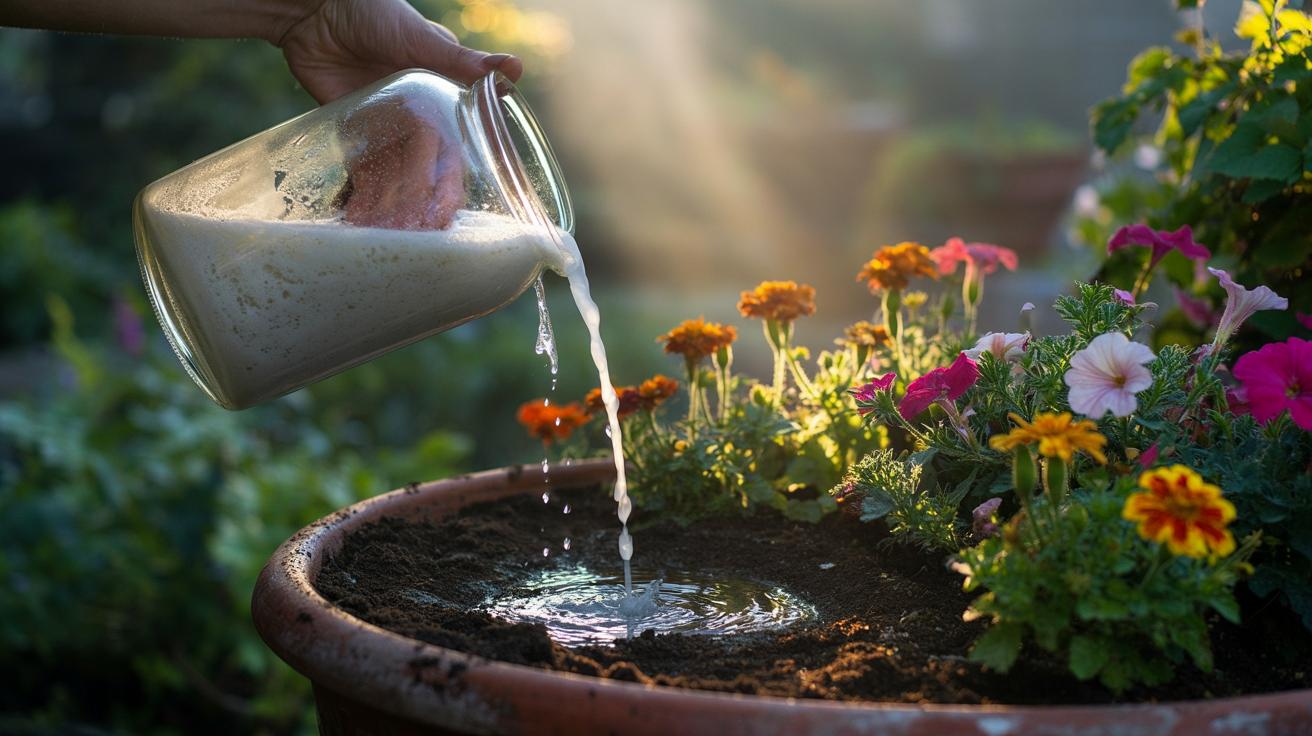
It looks like alchemy. You rinse rice, collect the cloudy water, and pour it around wilting blooms. By morning, petals stand prouder and foliage appears freshly pressed. The viral trick promises instant magic, yet the real story is chemistry meeting biology in the soil. Rice water is not a miracle fertiliser; it’s a gentle starter for a chain reaction that plants can ride quickly. Think of it as a soft nudge, not a shove. Used well, it’s thrifty, sustainable, and surprisingly effective at coaxing short-term vitality while supporting longer-term resilience in pots, borders, and balcony boxes.
What Is in Rice Water — And Why Plants React Fast
Rice water is loaded with fine particles of starch, traces of amino acids, minute B vitamins, and a smattering of minerals like potassium and magnesium. These aren’t high enough to rival commercial feeds, but they are immediately accessible. The starch behaves like a quick snack for soil microbes, which then multiply and release plant-available compounds. As microbial activity ramps, roots experience a microburst of nutrition and signalling molecules. Leaves respond first: cells regain turgor, colour intensifies, and buds may open sooner if they were already on the brink. That “overnight bloom” is typically a fast hydration-and-microbe story, not instant fertiliser magic.
There’s also physics at play. The dissolved solids slightly adjust the water’s osmotic profile, helping roots take up moisture more steadily in dry spells. Meanwhile, natural acids and peptides in rice water can lightly chelate trace elements, making them easier for roots to access without harsh salts. Never confuse this with a full N‑P‑K feed. It’s a primer. A prelude. The best results come when rice water complements balanced nutrition rather than replacing it. Use it to wake up the rhizosphere, and you’ll often see a visible perk within hours, especially in thirsty, container-grown ornamentals.
How to Make and Use Rice Water Safely
You’ve got options. The quickest method is the rinse: swish raw rice in cool water for 30–60 seconds and collect the cloudy liquid. A deeper method is the soak: cover rice with water for 20–30 minutes, then decant. For extra potency, some gardeners let the soak water ferment for 24–48 hours until faintly sour, which raises microbial load. Whichever you choose, strain out grains. Then dilute. Do not pour concentrated rice water straight into compacted soil or into poorly drained pots. Keep applications light, and always start small on one plant before rolling out to the whole border.
| Method | Strength | Best For | Guide |
|---|---|---|---|
| Quick rinse | Mild | Seedlings, sensitive orchids | 1:3 dilution, weekly |
| Soak water | Medium | Flowering annuals | 1:2 dilution, fortnightly |
| Fermented | Strong | Heavy feeders in active growth | 1:10 dilution, monthly |
Hydrate the soil first if it is bone dry, then add the diluted rice water as a gentle soil drench. Foliar misting is optional; it can spot leaves if starch dries under strong sun. Never use salted cooking water, buttered water, or stock infused with oils—these can scorch roots and foster pathogens. If the brew smells rotten rather than pleasantly tangy, discard it. Good hygiene matters: clean watering cans, fresh batches, and adequate drainage all reduce the risk of anaerobic conditions and keep the rhizosphere lively rather than slimy.
The Overnight Effect: Expectations, Evidence, and Limits
What can you really expect by morning? Often, a visible lift in leaf turgor, slightly brighter foliage, and buds that push from “almost” to “open.” That’s not sorcery; it’s quick hydration plus a microbial pulse unlocking small amounts of available nutrients. In trials by home growers and community gardens, container marigolds, petunias, geraniums, and phalaenopsis orchids showed the most immediate response. Perennials with established root systems react too, though their change is subtler. If the plant was already stressed by heat or recent transplanting, rice water often acts as a calm reset. It stabilises, then signals growth.
Limits exist. Rice water won’t fix chronic deficiencies or starved soils. For sustained flower power, you still need balanced N‑P‑K, trace elements, organic matter, and light that matches the species. Overuse invites trouble: excess starch can feed the wrong microbes, leading to odours, fungus gnats, or root stress. When in doubt, dilute and reduce frequency. Think of rice water as the gardener’s espresso shot—useful before a show weekend or heatwave, not breakfast, lunch, and dinner. Pair it with mulches, steady watering, and periodic feeding, and you’ll convert quick wins into season-long performance.
Rice water is a clever bridge between kitchen thrift and plant science, a low-cost way to tickle the root zone into action and coax fast, visible poise from thirsty ornamentals. It shines in containers, perks up wilting bouquets of annual colour, and meshes neatly with sustainable routines that minimise waste. Used judiciously, it delivers apparent overnight bloom by accelerating processes that were already underway. That’s the secret: helping nature along, not forcing it. How might you trial rice water across different plants, timings, and dilutions to map your own garden’s sweet spot?
Did you like it?4.5/5 (26)