In a nutshell
- 🍌 Banana peels supply readily available potassium (K), supporting stomatal control, sugar transport, flowering, and sturdier growth; they’re a supplement, not a complete fertiliser.
- 💧 Potassium leaches as K+ during decomposition, moving with water through soil; clay and organic matter hold some via cation exchange capacity, while sandy soils risk deeper wash-through.
- 🛠️ Best-use methods: chop and trench near roots, add to compost for slow release, or make short-brew peel “tea”; avoid whole peels to limit odour, pests, and slow breakdown.
- 🌱 Context matters: target sandy beds with trenching, use composted peels to improve clay structure, and apply modest, diluted doses for container plants and balcony pots.
- ⚖️ Keep nutrients balanced: too much K can hinder magnesium uptake; pair peels with compost and a balanced fertiliser for reliable, healthy growth in UK gardens.
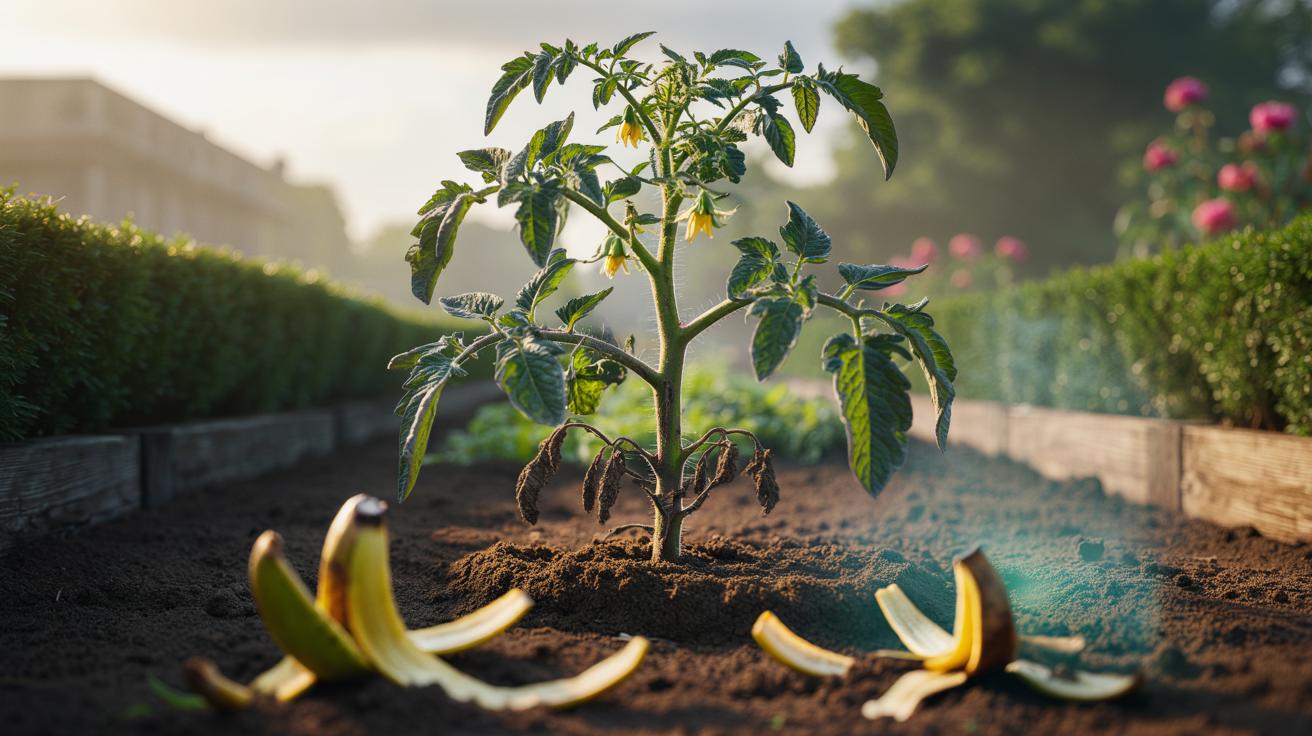
From a crumpled lunchbox leftover to a quiet soil tonic, the humble banana peel has become a talking point in British gardens. Not because it is magic, but because it is practical. Peels are rich in potassium, a nutrient tied to sturdy stems, balanced water use, and flowering. When handled well, they release that goodness without fuss. Yet not all hacks are equal. Some draw pests. Others deliver nutrients too slowly. The key is understanding how potassium behaves, how it leaches from the peel, and how to apply it in ways that truly benefit plants. Banana peels are a supplement, not a complete fertiliser.
The Science of Potassium in Banana Peels
Banana peels contain notable amounts of potassium (K), with smaller contributions of phosphorus, calcium, and magnesium. In plant physiology, potassium acts as an osmotic regulator, helping cells maintain turgor, powering sugar transport, and switching stomata between open and closed. That’s why gardeners often notice improved resilience to wilting and a steadier tempo of flowering when potassium is adequate. Potassium does not build plant tissues like nitrogen; it enables them to function.
Crucially, much of the potassium in peel tissues exists as soluble salts. Once the peel starts to decompose, K is released into water as K+. This ionic form moves through the soil solution, is exchanged on clay and organic matter surfaces via cation exchange capacity, and is then mopped up by roots. On loams and clays, soils can hold a useful reserve. On very sandy beds, K may wash deeper after heavy rain, so timing and placement matter. Because K is readily available from peels, release can be comparatively quick during warm, moist conditions.
How Potassium Leaches Into Soil and Fuels Growth
The leaching story starts with decomposition. Microbes and soil fauna slice open the peel’s cell walls, water enters, and soluble ions diffuse out. That first flush includes potassium, which needs little microbial “unlocking” compared with nitrogen. Rain or irrigation then drives K+ downwards. Some is held temporarily on clay-humus complexes, but a portion travels with the wetting front, especially in coarse substrates or raised beds with free drainage. Chopped peels tucked into the root zone minimise losses by placing K where roots are active.
Once in the rhizosphere, potassium fuels a cascade. It tunes guard cells so plants can balance gas exchange with water conservation. It assists the loading of sugars into the phloem, supporting blossom set and fruit swell in crops like tomatoes and strawberries. Adequate K often reduces physiological disorders such as blotchy ripening and contributes to sturdier, disease-tolerant growth. Yet balance matters. If you overdo potassium, it can compete with magnesium uptake, occasionally leading to pale, interveinal chlorosis. Think harmony, not abundance. Pair peel-derived K with compost or a balanced fertiliser to ensure sufficient nitrogen and micronutrients for sustained growth.
Practical Ways to Use Banana Peels in the Garden
Success rests on preparation and placement. Whole peels rot slowly, can smell, and may tempt foxes or rodents. Do not bury whole peels intact. Instead, chop them into small pieces and blend into the topsoil or a compost heap. You can also make a simple soak: submerge chopped peels in water for a few days, strain, and use the diluted liquor on well-watered soil. Fermenting peels in a lidded jar speeds breakdown and reduces odour, though you must keep it aerobic enough to avoid sour, anaerobic brews. Rinse shop-bought peels to remove labels and residues.
| Method | Preparation | Release Speed | Best For | Risks |
|---|---|---|---|---|
| Chopped & Trenched | 1–2 cm pieces, mix 5–10 cm deep near roots | Moderate to fast in warm soil | Roses, tomatoes, containers | Pests if left near surface |
| Composted | Layer with browns; keep heap moist and aerated | Slow, steady | General soil improvement | Minimal if heap is managed |
| Peel “Tea” | Soak 2–3 days; dilute 1:4; apply to soil | Fast, light dose | Quick top-ups in pots | Odour; limited nutrients |
Whichever method you choose, focus on context. In lean, sandy borders, trenching offers targeted benefit. In heavy clay, composted peels contribute structure as well as potassium. For balcony growers, occasional “tea” can complement a balanced liquid feed. Never rely on peels alone for long-term nutrition; pair them with compost, mulches, and, where appropriate, a complete, low-salt fertiliser to keep growth balanced and healthy.
Used thoughtfully, banana peels are a frugal, circular addition to the gardener’s toolkit. They offer readily available potassium and a small supporting cast of minerals, while their fibres feed soil life when composted. The trick is to chop, place, and balance, keeping pests at bay and preventing nutrient imbalances. For UK conditions, that means modest doses, good hygiene, and a wider soil-care plan anchored in organic matter. Start small, observe, adjust. Which plants in your plot would benefit most from a gentle potassium lift, and how will you test the difference this season?
Did you like it?4.5/5 (28)