In a nutshell
- 🔬 Master the particle size: burr grinders deliver uniform grinds for predictable flavour; blades suit rustic rubs—small-batch freshness and minimal heat protect delicate oils.
- 🌶️ Go beyond beans: grind spices, demerara into fine sugar, dried mushrooms into umami dust, citrus peel for zesty powders, and stale bread into crisp breadcrumbs.
- 🧼 Prioritise safety: use a separate grinder or dedicated cups to prevent cross-contamination; manage static with the RDT, purge for retention, and clean with brushes or pellets—avoid rice in burrs.
- ⚙️ Choose smart: manual or electric burrs for precision; blades for budget versatility—seek steel burrs, stepless adjustment, low-retention paths, and removable chambers; note UK-friendly price ranges.
- 🍳 Pro technique tips: toast whole spices before grinding, pulse oily nuts to avoid paste, work in short bursts to curb heat, then store results in dated, airtight jars for peak freshness.
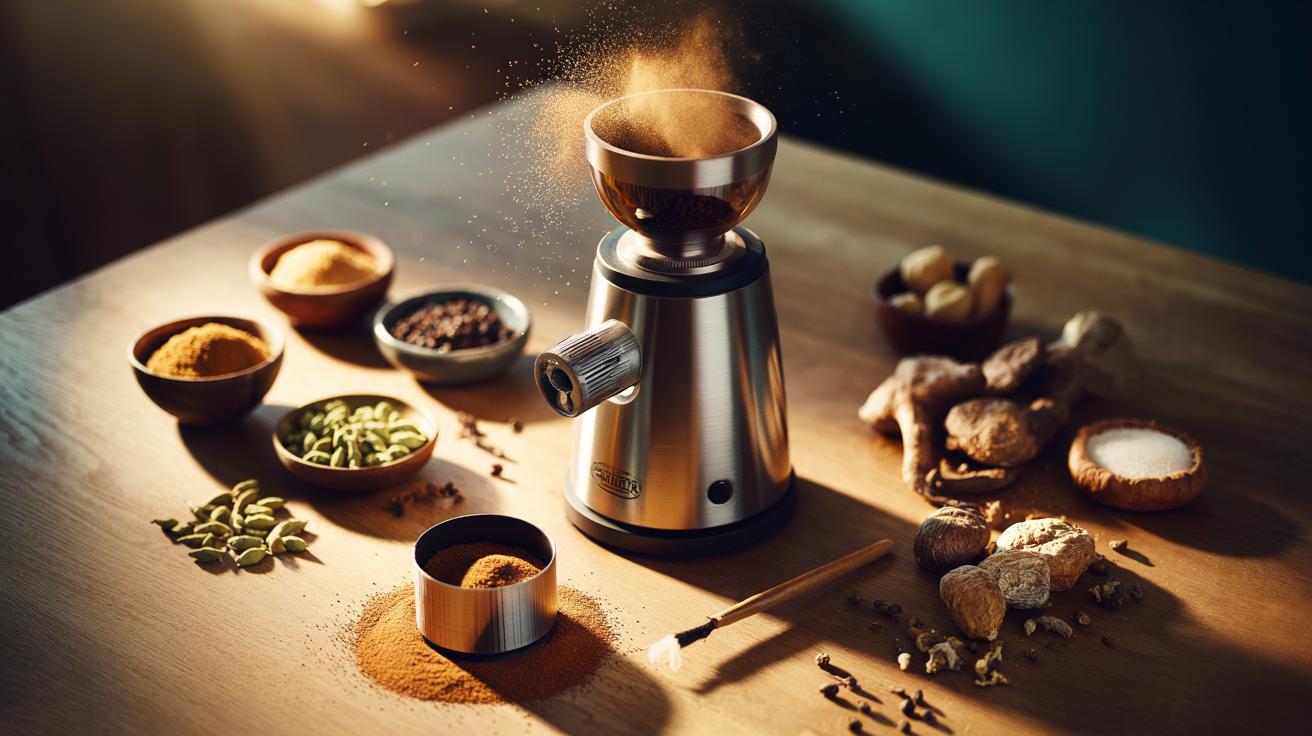
Across Britain’s kitchens, a quiet revolution is humming on the countertop. The humble coffee grinder, once reserved for morning espresso, is being drafted in for spice blends, cocktail sugars, mushroom powders, even bespoke breadcrumbs. Chefs and baristas are aligned on the science: controlled particle size equals controlled flavour. Small batches mean freshness. Less waste, more punch. Reimagining a grinder as a multi-purpose mill delivers both culinary precision and practical thrift. As households trim gadgets and professionals chase consistency, the question is no longer “why risk cross-flavour?” but “how to do it well?” Here’s what experts now recommend, and what to avoid, if you want your grinder to become the hardest-working tool you own.
Why Coffee Grinders Work Brilliantly Beyond Beans
At the heart of the shift is physics. Coffee grinders, especially burr models, shear rather than smash, producing tighter particle distributions that unlock aroma predictably. That same control turns coriander seeds into bright, even dust and transforms demerara into cocktail-ready fine sugar without clumps. Blade grinders still have a role—quick, inexpensive, versatile—but their turbulence delivers mixed sizes suitable for rustic rubs, not precision tasks. It’s the particle size—consistent, repeatable, tunable—that sets flavour free.
Experts cite two further advantages: small-batch freshness and low heating. Grinding only what you need keeps volatile oils intact; less exposure to oxygen, more impact on the plate. Meanwhile, short pulses avoid scorching delicate spices. There are caveats. Static cling causes “snow” that sticks to chutes; a single droplet in the beans (the RDT trick) can tame it. Retention—the grinds that stay inside—is another watch-out. Swap tasks smartly and purge a gram or two to keep your espresso from tasting of last night’s cumin.
Practical Uses Chefs Swear By
Start with spices. Whole cumin, fennel, peppercorns, and cardamom burst alive when ground moments before cooking, outclassing jars that sat months on a shelf. Toast nuts, then pulse to sandy meal for pesto or crumb coatings. Blitz stale sourdough into breadcrumbs that actually crunch. Whizz dried citrus peel into an electrifying dust for custards. For baking, a grinder turns caster into icing sugar in seconds, and shiitake into an umami powder that deepens sauces without salt. Seeds? Flax and sesame grind best in short bursts; stop before paste. Keep herbs very dry; moisture clumps and can gum up blades.
| Ingredient | Grinder Type | Setting/Time | Result Texture | Best Use |
|---|---|---|---|---|
| Black pepper | Burr | Medium-coarse | Uniform crack | Steaks, cacio e pepe |
| Cumin seeds | Burr or Blade | Fine | Aromatic powder | Curry bases, rubs |
| Demerara sugar | Blade | 5–10s pulses | Fine/icing | Cocktails, baking |
| Toasted almonds | Blade | Short bursts | Sandy meal | Crumbs, pesto |
| Dried mushrooms | Burr | Fine | Savoury dust | Stocks, risotto |
Bar pros are equally bullish: grinding citrus peel with sugar yields fast oleo-saccharum; blitzed tea leaves perfume syrups; even pink salt becomes cocktail rims with snap. Keep batches small. Taste, adjust, repeat.
Safety, Cleaning, and Flavour Management
Here’s the professional line: if coffee is sacred, maintain a separate grinder or at least a dedicated hopper/catch cup for spices and sugars. Cross-contamination doesn’t just muddle flavour; it can pose serious risks for those with nut allergies. Label containers clearly. Keep oily nuts and seeds away from daily espresso gear unless you accept a permanent aroma shadow.
Cleaning is where myths multiply. Grinding uncooked rice can dislodge residues in a blade grinder; on burr sets, it may stress motors and dull edges. Better options exist. Use a stiff brush, then a microfibre cloth. For odours, run specialised grinder pellets or a handful of stale bread, then wipe with a tiny dab of bicarbonate solution and dry thoroughly. Static? The one-drop “Ross Droplet Technique” cuts cling dramatically, but avoid over-wetting. Always unplug before deep cleaning, and never wash burrs in-situ. Heat is your stealth enemy: long grinds raise temps and smear oils, so work in bursts and let the chamber cool. Store ground mixes in dark, airtight jars and date them—freshness fades fast.
Choosing the Right Grinder for Multi-Tasking
Decision time. For precision and repeatability, a burr grinder—manual or electric—wins. Manual burrs excel for spices: compact, quiet, no heat build-up, and beautifully consistent. Electric burrs add speed and dial-in control across gears. Blade grinders, though, remain the budget-friendly Swiss Army knife: fast, forgiving, easy to dedicate solely to pungent tasks. If you’ll grind both coffee and spices, prioritise designs with removable chambers and easy-to-wipe chutes.
Specs to weigh: stainless vs ceramic burrs (steel is tougher with hard spices), stepless adjustment for true fine powders, low retention geometry, and anti-static paths. Removable cups reduce mess and cross-flavour. Variable speed helps avoid heat when powdering sugar or mushrooms. Noise matters in flats; so does footprint on crowded worktops. In the UK, excellent manual burrs start around £60–£120; robust electric options land from £150–£400. If funds are tight, pair a £20–£30 blade unit for spices with a dedicated coffee mill. Either way, invest in a narrow brush, a small blower, and the habit of quick purges between tasks.
One tool, many roles—that’s the modern, resource-savvy kitchen. A well-chosen grinder unlocks brighter curries, smarter baking, cleaner cocktails, and less waste, all from ingredients you already buy. The trick is discipline: separate tasks, clean lightly but often, and respect particle size as the key to flavour. Get that right and you’ll taste the difference in every sip and bite. Which assignments will your grinder tackle first: a citrus-sugar rim for Friday night, a punchy garam masala, or a jar of mushroom dust ready to turbocharge weekday soups?
Did you like it?4.5/5 (23)