In a nutshell
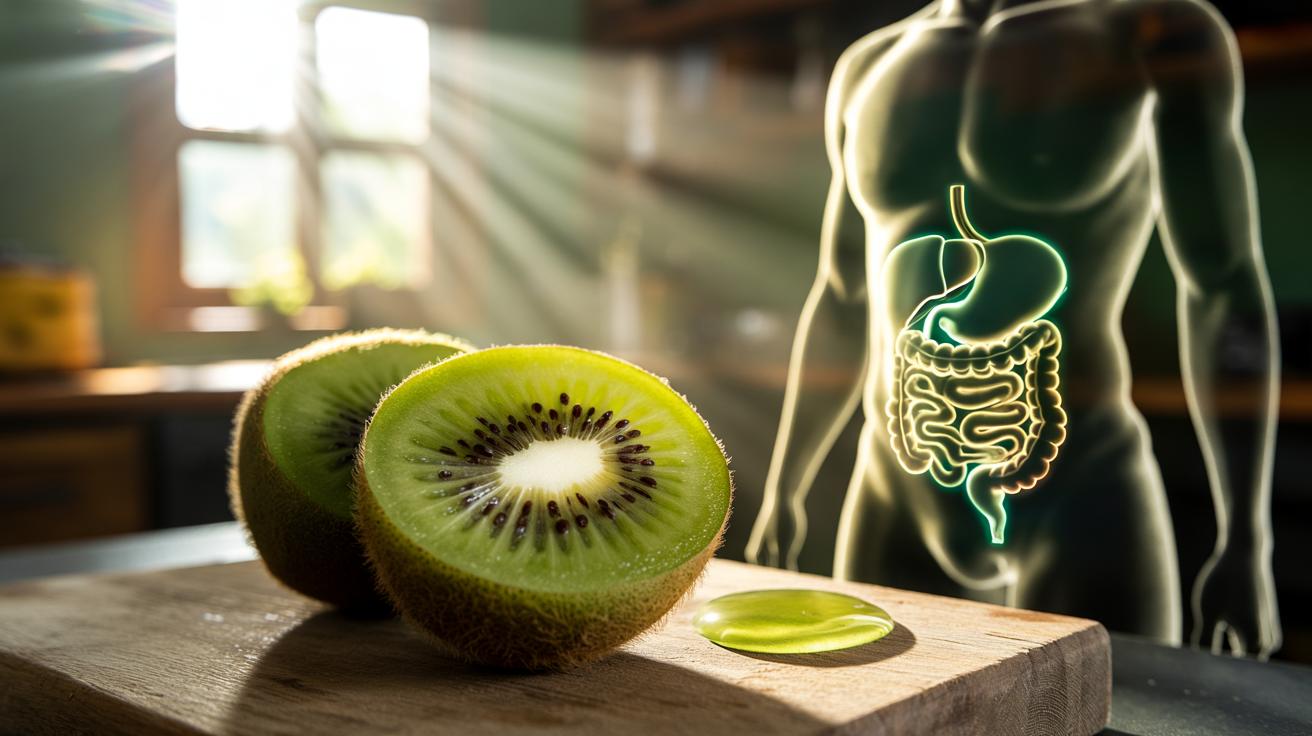
- 🥝 Kiwifruit uniquely supports gut health with dual fibre, polyphenols, and the enzyme actinidin, boosting short-chain fatty acids, easing constipation, and delivering high vitamin C.
- 📏 Dietitians recommend one to two daily (preferably green for motility); if FODMAP-sensitive, start with one and build; consistency over weeks drives results.
- 🧪 Pair kiwi with live yoghurt: prebiotics + probiotics enhance microbiome diversity, while actinidin helps protein digestion and soluble fibre smooths blood sugar.
- 🍽️ Easy habit ideas: spoon it, add to porridge, smoothies, salads, or salsa; eat the skin for extra fibre; note actinidin tenderises meat and can affect gelatine setting.
- ⚠️ Watch for latex allergy cross-reactivity and potassium limits; otherwise, it’s low-calorie, budget-friendly, and complements prunes or berries in a daily ritual.
The humble kiwifruit is having a moment. Not a passing trend, but a quietly compelling case built by dietitians, gastroenterologists, and a stack of studies. This emerald orb, tart-sweet and vividly seeded, offers a rare combination: gentle fibre, digestive enzymes, and polyphenols that feed your gut’s beneficial bacteria. Eat one or two every day and many people notice easier, more regular bowel movements, less bloating, and steadier energy. It’s shelf-friendly, low in calories, and slot-in simple for busy mornings or post-gym snacks. Below, we explore why kiwifruit stands out, what experts actually recommend, and the fuss-free ways to make the habit stick without inflating your food budget or complicating your routine.
Why Kiwifruit Is a Gut Game-Changer
Dietitians single out kiwifruit because it delivers a triple win for digestion: diverse fibre (both soluble and insoluble), plant polyphenols that support a resilient microbiome, and a natural enzyme called actinidin that helps break down proteins. This trio improves stool bulk and softness, encourages microbial diversity, and assists the movement of food through the gastrointestinal tract. In clinical trials, adults with sluggish bowels who ate two green kiwis daily reported more frequent, more comfortable motions compared with popular options like prunes or psyllium. It’s gentle, effective, and surprisingly fast for many—often within a fortnight.
Kiwifruit’s fibre behaves intelligently. The soluble fraction forms a gel that slows digestion just enough to smooth blood sugar peaks, while the insoluble part adds bulk to help keep things moving. Meanwhile, polyphenols and prebiotic oligosaccharides feed microbes that produce short-chain fatty acids—butyrate, propionate, acetate—compounds linked to a healthier gut lining and calmer inflammation signals. Add the antioxidant punch of vitamin C and you’ve got an everyday fruit with effects that extend beyond regularity to overall gut resilience.
| Nutrient | Amount (2 green kiwifruit) |
|---|---|
| Energy | ~90 kcal |
| Fibre | ~4 g |
| Vitamin C | ~130 mg (~160% UK NRV) |
| Potassium | ~520 mg |
| Unique compounds | Actinidin, polyphenols, prebiotic oligosaccharides |
Few fruits package such broad digestive benefits into one compact, affordable, daily habit.
What the Science and Dietitians Recommend
The pragmatic advice from UK dietitians is strikingly consistent: aim for one to two kiwifruit daily, preferably green if constipation is your main concern. Trials in people with IBS-C and chronic constipation often used two green kiwis a day for four weeks, improving stool frequency and reducing straining and abdominal discomfort. Gold kiwifruit are milder and still helpful, though the green variety is typically highlighted for motility. If you’re FODMAP-sensitive, start with one fruit and assess comfort, then step up. Many tolerate kiwi well thanks to its balanced fibre and relatively low FODMAP load at modest servings.
Dietitians also stress synergy. Pair kiwi with fermented dairy or live yoghurt to combine prebiotics (what microbes eat) and probiotics (the microbes themselves). Expect compounding benefits over time as your microbiome shifts. For athletes or high-protein eaters, actinidin may ease digestion of tougher cuts of meat, making post-meal heaviness less likely. Safety-wise, watch for latex–fruit cross-reactivity if you have a known latex allergy, and speak to your clinician if you’re on a potassium-restricted plan. Otherwise, kiwi is an uncomplicated, family-friendly upgrade to the five-a-day that actually earns its place.
The bottom line: consistent, daily intake matters more than perfection—make kiwi a ritual and let the results accumulate.
Simple, Delicious Ways to Eat One Every Day
Keep it easy. Scoop and eat with a spoon. Slice over porridge or Greek yoghurt with a sprinkle of seeds for extra fibre and crunch. Blend into smoothies—kiwi’s tartness brightens banana or oat bases without added sugar. For a fast lunch, toss chunks into a chicken, avocado, and rocket salad; the fruit’s acidity acts like a dressing. Eating the skin is perfectly safe and can boost fibre significantly—just wash well and slice thin. Prefer not to? No problem. The flesh alone still delivers meaningful benefits.
Get crafty at weekends. Stir diced kiwi into a salsa with coriander, lime, and chilli for salmon or tofu. Freeze slices for a post-run refresher. Stir through overnight oats where it keeps the texture lively. A note for home cooks: actinidin can prevent gelatine from setting and will quickly tenderise meat—use that to your advantage in marinades, but avoid raw dairy puddings that need to firm up. Finally, buy a mix of ripe and firm fruits; leave the firmer ones next to bananas to ripen across the week. The simpler the plan, the more likely you’ll follow it—and the more your gut will thank you.
Kiwifruit proves that small habits can deliver big digestive wins. It’s affordable, accessible, and potent in precisely the ways modern guts need: fibre for flow, prebiotics for the microbiome, and vitamin C to support wider wellbeing. Set a daily cue—breakfast bowl, desk snack, evening dessert—and let consistency do the heavy lifting. If you already eat prunes, apples, or berries, kiwi complements them, adding a different fibre profile and that unique enzyme advantage. One fruit, minimal effort, measurable comfort. Will you try one green kiwi a day for the next month and notice what changes—for your digestion, energy, and mood?
Did you like it?4.6/5 (23)