In a nutshell
- 🧪 The science: Crushed eggshells rich in calcium carbonate gently raise coffee’s pH, buffering acids and moderating bitterness from chlorogenic derivatives without erasing origin character.
- ☕ Method and dose: Use sanitised, coarsely crushed shells; start at ~0.5 g per 500 ml in the slurry for pot, French press, or pour-over, adjusting by brew time and roast.
- 🛡️ Safety first: Prevent salmonella by baking or boiling shells; avoid if you have an egg allergy; vegan-friendly alternative is food-grade CaCO3 powder; rinse gear to limit scale.
- 🌊 Water and flavor: With soft water, buffering aids clarity; with hard water, reduce dose to avoid flatness; expect smoother mouthfeel, fewer fines, but go light to prevent chalkiness.
- ♻️ Sustainability and consistency: Upcycles kitchen waste, but it’s a fine-tuning tool, not a fix for stale beans—log dose, grind, and time to make results repeatable and balanced.
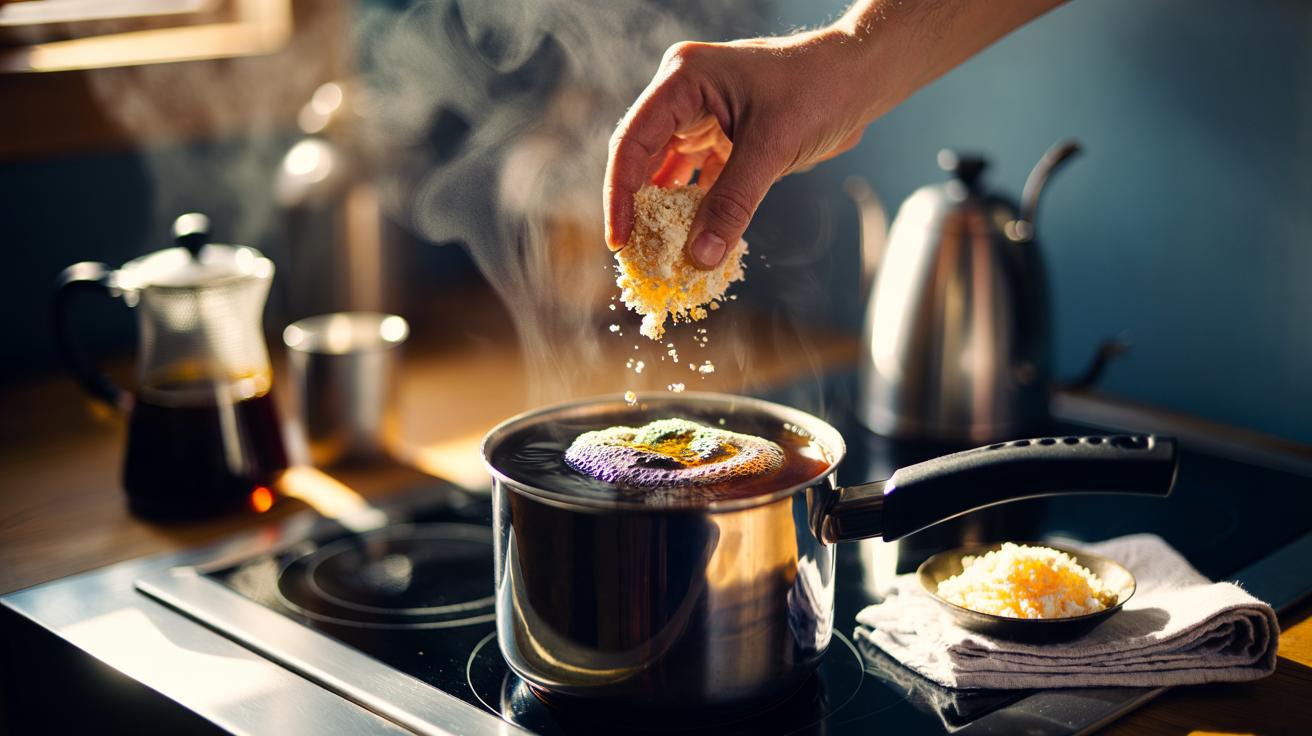
It sounds like a pub myth, yet it’s a trick as old as campfire coffee: drop a crushed eggshell into a boiling pot and the brew mellows. Home brewers whisper about smoother cups and fewer sour jabs; baristas argue balance and control. Here’s the science and the craft. Eggshells are mostly calcium carbonate, a gentle alkali that nudges coffee’s pH upward and tames aggressive edges without smothering aroma. Done right, it’s subtle. Done badly, it’s chalky. Cleanliness, proportion, and timing decide whether this hack becomes a revelation or a ruin. Let’s weigh the chemistry, the method, and the ethics of this crunchy intervention.
How Calcium Changes Coffee: The Chemistry Behind a Softer Sip
At the heart of the hack is calcium carbonate (CaCO3). In hot, acidic environments, CaCO3 reacts with organic acids—think citric, malic, and the coffee-specific chlorogenic acids—forming salts, water, and carbon dioxide. The upshot is a modest rise in pH. That shift doesn’t erase complexity; it rebalances it, rounding harsh notes that read as acrid or biting. A little alkalinity turns jagged acidity into a calmer, more composed cup.
Bitterness is knottier. Roast chemistry produces chlorogenic acid lactones and later phenylindanes, compounds perceived as bitter. Calcium doesn’t “cancel” them, but an elevated pH alters how they present on the palate. Meanwhile, porous shell fragments can adsorb some fines, and trace proteins from the membrane may bind a fraction of polyphenols—small effects, yet noticeable in a murky pot brew. Crucially, this is a buffering tweak, not a flavor makeover. Expect less rasp, a silkier mid-palate, and improved clarity, especially in robust, darker roasts where bitterness can overwhelm nuance.
Think of the eggshell as a tiny dial, not a switch: it moderates extraction character rather than overwriting the coffee’s origin or roast style.
From Cowboy Pot to Cafetières: Practical Ways to Use Eggshells
Method matters. Old-school “cowboy coffee” scatters crushed, heat-sanitised shells into the pot as it boils, then lets everything settle. For modern brewers, blend tradition with control: clean shells thoroughly, bake at 160–170°C for 10 minutes or boil for 5 minutes, then crush coarsely. Start tiny—around 0.5 g per 500 ml (a good pinch). Add to the slurry, not the cup, and adjust to taste. Never drop in a greasy, unwashed shell—sanitation is non-negotiable.
| Brew Method | When to Add | Amount (per 500 ml) | Expected Effect |
|---|---|---|---|
| Boiled pot / “cowboy” | As water reaches boil with grounds | 0.5–1 g crushed shell | Smoother, fewer fines in cup, faster settling |
| French press | Stir into grounds before pouring water | ~0.5 g | Softer edge, slightly cleaner plunge |
| Pour-over | Mix lightly with grounds | Pinch (≤0.3 g) | Gentle acidity taming; go sparingly |
Two cautions. First, if your tap water is already hard, extra calcium can push toward a flat-tasting brew; use filtered water or reduce the shell. Second, dosage scales with contact time: immersion methods tolerate more shell than quick percolation. Measure, taste, iterate—the cup tells you when you’ve gone too far.
What It Does to Flavor, Aroma, and Mouthfeel
Expect a softer attack and rounder mid-palate. The calcium buffer pulls sharp acids into line, revealing chocolate, nut, and caramel layers that bright acidity can overshadow. Aromatically, there’s a minor trade-off: high-toned citrus and florals may recede a touch, particularly in delicate, light-roast washed Africans. In darker roasts, though, the effect feels corrective rather than reductive, trimming bitterness without muting roast sweetness. Used judiciously, the shell gives structure to flavors already present.
Mouthfeel also shifts. Crushed shell particles help drag fines down, clarifying a pot brew and smoothing the finish. Less sediment equals less astringency. But push the dose and you’ll sense chalkiness, a hollowed mid-palate, and a “stiff” finish where minerality intrudes. Calibrate by roast: dark roasts welcome 0.5–1 g per 500 ml; medium roasts prefer half that; light roasts, just a whisper. And mind your water. With soft water, the shell brings helpful buffering capacity; with hard water, restraint prevents heaviness. The best cups feel calm yet vivid, never dulled.
Safety, Sourcing, and Sustainability Considerations
Food safety first. Eggshells can carry salmonella on the exterior. Wash, then heat-sanitise (bake or boil) before use; store dried shells in a sealed jar. If you have an egg allergy, skip this method—trace membrane proteins can linger. Vegans may prefer mineral alternatives such as a pinch of food-grade calcium carbonate powder, which achieves a similar buffering effect with predictable dosing. Sanitation and suitability trump novelty every time.
On equipment care, rinse brewers thoroughly. You are adding calcium, not removing it; over time this can promote scale, especially in kettles. Environmentally, the hack upcycles waste and reduces reliance on single-use additives, a modest but real win. Ethically sourced eggs matter too; if that’s not your lane, keep the technique in the toolbox for guests who ask. Above all, track your variables—dose, grind, water, time—and log outcomes. Repeatable results turn a folk remedy into a reliable tool for taste.
There’s charm in a hack that links campfire pragmatism with kitchen chemistry: a clean, crushed shell, a measured pinch, and a gentler cup. It won’t rescue stale beans or fix poor extraction, but it can polish a brew right to the edge of elegance, especially when bitterness bars the way. The trick is respect—for safety, for proportion, for the coffee’s character. Would you try the eggshell experiment on your next pot, and if so, which roast and method would you choose to test where science and taste best meet?
Did you like it?4.5/5 (27)