In a nutshell
- 🌿 3-1-1 method: three ingredients, one bowl, one spray—targets odours at the source for fast, frugal freshness without heavy masking.
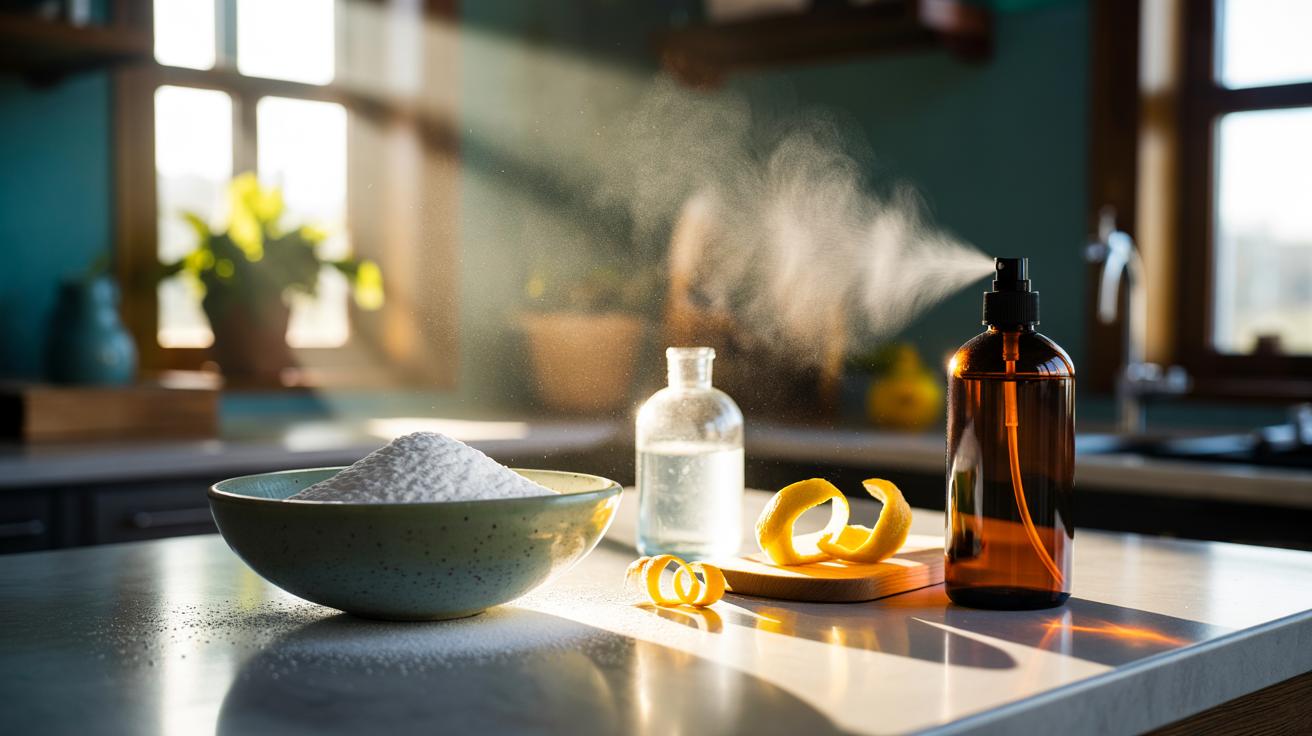
- 🧪 Core components: bicarbonate of soda absorbs, white vinegar neutralises, and citrus peel adds a light, clean scent; follow the absorb → neutralise → scent sequence and air the room briefly.
- 🧰 How-to: place 3–4 tbsp bicarbonate in a shallow bowl near smell sources; mix diluted white vinegar with a citrus infusion in a spray bottle and mist air and washable fabrics lightly.
- ⚠️ Safety & care: never mix vinegar with bleach; avoid natural stone; spot‑test fabrics; label and refrigerate citrus sprays up to a week; keep bowls out of pet reach.
- ✨ Smart tweaks: add coffee grounds for smoky rooms, refresh drains and wardrobes with bicarbonate; enjoy clean, long‑lasting freshness without synthetic perfumes.
Stale socks, last night’s curry, the damp dog after a rainy walk—every British home faces odours that outstay their welcome. Here’s the good news: you don’t need boutique candles or pricey diffusers. Experts are touting a simple, agile routine they call the 3-1-1 method, engineered to work with what’s already in your cupboard. In under ten minutes, it can brighten a hallway, revive a lounge, and make renters’ kitchens smell sale‑ready. No gimmicks. Just smart chemistry and strategic placement. The core idea is disarmingly simple: three ingredients, one bowl, one spray, deployed in the right order. It’s fast. It’s frugal. And crucially, it targets odour at the source rather than glossing over it.
The 3-1-1 Method, Explained
The 3-1-1 method is shorthand for three ingredients, one bowl, one spray. The ingredients are household staples: bicarbonate of soda for absorption, white vinegar for neutralisation, and citrus (lemon or orange peel) for a clean, lively scent. The single bowl acts as a passive odour trap; the single spray resets the air and soft furnishings. By pairing absorption with neutralisation and a light, natural fragrance, you get rapid results that last. There’s no mystery, just the right sequence.
Here’s the shape of it. The bowl comes first. A shallow dish of bicarbonate sits on a shelf or windowsill, quietly pulling smells from the air near the source—great for bins, pet corners, or a just‑used bathroom. Then the spray. A diluted vinegar and citrus solution is misted into the room’s “odour hotspots” and lightly across washable fabrics. The vinegar scent flashes off quickly; the citrus rides in behind it. It’s not perfumery. It’s hygiene for the air itself, designed to be invisible yet decisive.
Step-By-Step: From Cupboard to Fresh Air
Gather your kit: bicarbonate of soda; white vinegar; peel from one lemon or orange; hot water; a clean bowl; a spray bottle; and a fine sieve. Keep the bowl open to the air, and never cap a fresh vinegar mixture tightly if it’s still warm. You’re ready.
1) The bowl: Add 3–4 tablespoons of bicarbonate of soda to a shallow bowl. Place it where the smell begins—inside the cupboard under the sink, beside the shoe rack, by the litter tray. Stir once to break clumps. Replace weekly.
2) The spray: In a jug, steep a handful of citrus peel in 250 ml hot water for 5 minutes. Strain. Combine 300 ml cool water with 100 ml white vinegar and your citrus infusion. Decant into a sprayer. Lightly mist the air, curtains, sofa throws, and doormats. Always spot‑test fabrics and avoid polished stone.
| Component | Measure | Action | Best For |
|---|---|---|---|
| Bicarbonate of soda | 3–4 tbsp in a bowl | Absorbs acidic and sulfurous odours | Bins, shoes, pet areas, cupboards |
| White vinegar | 100 ml in spray | Neutralises alkaline smells; cuts residues | Air, washable fabrics, hard floors (not stone) |
| Citrus peel infusion | ~250 ml steeped water | Bright scent; gentle solvent effect | Kitchens, hallways, guest rooms |
Use short, light bursts—damp is the enemy of freshness. Crack a window for five minutes to let the neutralised compounds and humidity drift out, then close up. You’ll notice the “clean slate” effect within moments.
Why It Works: Deodorising Science You Can Trust
Bicarbonate of soda is amphoteric, meaning it can react with both acids and bases; in practice, it excels at adsorbing and subtly neutralising many household odours, from pet accidents to sweaty trainers. Its fine particles offer large surface area, so smells cling and are tamed rather than perfumed over. White vinegar brings dilute acetic acid to the fight, shifting alkaline molecules (ammoniacal notes from bins or drains) and breaking down lingering residues that harbour smells.
The citrus element adds more than a pleasant top note. Peels carry limonene and other terpenes, which evaporate readily to give that “just‑cleaned” impression while helping to dissolve light greasy films that trap odours on surfaces. Crucially, the sequence—absorb, then neutralise, then scent—prevents the common mistake of sealing smell inside fabric with heavy fragrance. A quick window‑open creates negative pressure, venting stale air while the spray resets the soft furnishings people actually notice.
It’s also about perception. Harsh smells dominate the nose; once removed, the brain registers “freshness” with surprisingly little added fragrance. That’s why a faint citrus trail is enough. Heavy perfumes mask; this method corrects. Less is more—and it lasts longer.
Safety, Storage, and Smart Variations
Never mix vinegar with bleach or products containing chlorine—this releases dangerous fumes. Keep acids away from natural stone (marble, limestone) and test on small fabric patches first. Store your spray for up to a week in the fridge if you’ve used fresh peel; label it clearly. The bicarbonate bowl is inert and safe around pets, but position it out of reach to avoid curious paws. If you’re sensitive to citrus, swap peel for a strip of unscented lemon thyme or a splash of vanilla extract.
Speed tweaks help. For smoky rooms, add a tablespoon of coffee grounds alongside the bicarbonate bowl for turbo absorption. For musty drains, tip two tablespoons of bicarbonate down the plughole, then flush with hot water after ten minutes; use your spray only on the surrounding surfaces. Got damp smells in wardrobes? Refresh the air with a teacup of bicarbonate on the shelf and one quick mist on the door lining, not the clothes. If in doubt, mist into the air above fabrics and let gravity do the work. Results are fast, and the finish feels genuinely clean.
The charm of the 3-1-1 approach is its elegance: three ingredients, one bowl, one spray, applied in minutes with professional logic and supermarket‑simple supplies. It’s adaptable to flats, family homes, and pet‑friendly spaces, and it doesn’t rely on cover‑up scents. You’ll notice fresher air, quieter rooms, and that subtle hotel‑corridor crispness after a brief airing. Give it a whirl this evening and see how the mood of your home lifts. Where will you place your first bicarbonate bowl—and which room will you transform with the first light mist?
Did you like it?4.6/5 (20)