In a nutshell
- 🌹 Crushed eggshells provide slow‑release calcium carbonate, strengthening plant cell walls and supporting richer, longer-lasting rose blooms.
- 🥚 Preparation matters: rinse, dry, and crush to a fine powder; apply 1–2 tbsp around the drip line in spring and after the first flush, then lightly work into soil and water in.
- 🧪 Soil effects: calcium improves structure and gentle pH buffering; avoid overuse on alkaline soils and consider gypsum if you need calcium without raising pH.
- 🔧 Balanced care: pair eggshells with a balanced rose feed, organic matter, and steady moisture to aid calcium transport; use calcium nitrate only for acute deficiencies.
- ⚠️ Pitfalls: don’t use whole shells, thick layers, or expect instant results; scatter, don’t smother, test soil pH annually, and remember shells are not reliable slug barriers.
It’s a thrifty gardener’s trick with surprising science behind it: gently crush eggshells and scatter them beneath your rose bushes to coax richer, longer-lasting blooms. The old allotment wisdom is rooted in chemistry. Eggshells are mostly calcium carbonate, a slow‑release source of calcium that can subtly tune soil structure and support robust flower growth. In a British garden where weather swings and soil types vary from chalky downland to heavy clay, small adjustments matter. Simple. Local. Free. Used thoughtfully, eggshells can bolster plant health without the environmental or financial cost of synthetic inputs. Here’s how the practice works—and how to do it right.
Why Roses Crave Calcium
Roses are gluttons for nutrients during their peak season, but beyond nitrogen and potassium, they quietly crave calcium. This mineral is integral to cell walls and membranes, stabilising pectins that give tissues strength. In practice, that means firmer stems, resilient leaves, and petals that hold form in wind and rain. Calcium also moderates the movement of other ions, helping roots take up nutrients efficiently while mitigating salt stress during dry spells. When calcium is steady, roses build stronger tissues and channel energy into buds rather than emergency repair.
Calcium doesn’t move easily within plants; it travels with water flow, so new growth can suffer first when supplies dip. That’s why young leaves may crinkle or buds stall in poor conditions. In soils flirting with acidity or suffering structural issues, a gentle trickle of calcium helps. It supports bud formation and reduces the risk of aborted buds in erratic weather. The effect isn’t instant like a nitrogen feed, but seasons of consistent supply often translate into more lush blooms, richer colours, and steadier flowering across flushes.
Preparing and Applying Eggshells Safely
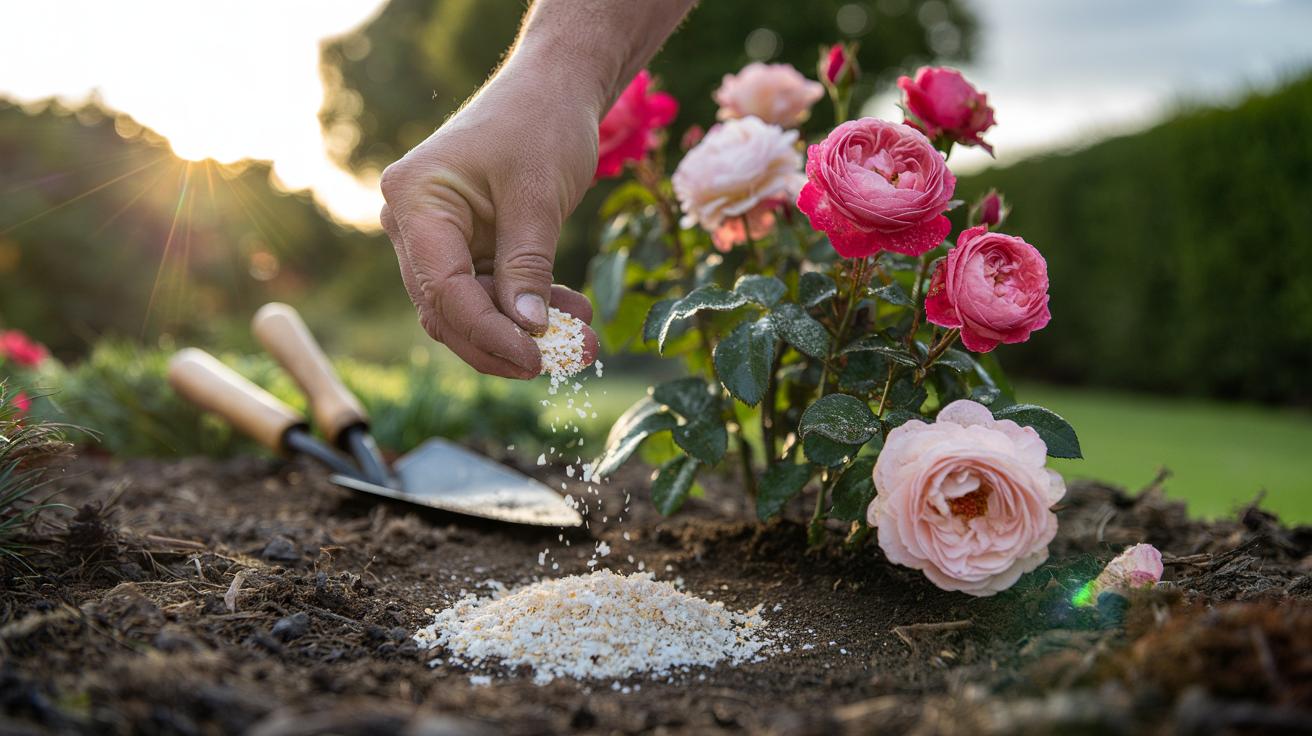
Preparation matters more than volume. Rinse shells to remove residue, then dry them thoroughly—on a sunny windowsill or in a low oven. Crush to a fine grit or powder using a rolling pin or a blender. The finer the grind, the faster the calcium becomes available. Coarse halves take years to break down; powder starts working within months, especially in slightly acidic beds.
For established bushes, sprinkle 1–2 tablespoons of powdered shell around the drip line per plant in spring, then again after the first flush. Gently work it into the top 2–3 cm of soil or mulch and water in. On heavy clay, blend it with compost to avoid crusting. In chalky regions—common across southern England—keep doses small or occasional to avoid nudging pH upwards. Consider a simple pH test if you’re unsure. Don’t rely on eggshells as your only fertiliser; pair them with a balanced rose feed and organic matter. And for the record, scattered shells are unreliable as a slug barrier, and unwashed shells can invite foxes—clean, crush, then apply.
Soil Science: How Calcium Changes the Rhizosphere
Eggshells are about 95% CaCO3 (calcium carbonate), with traces of magnesium and proteins. In the soil, they dissolve slowly, releasing calcium that binds to exchange sites on clay and organic particles. This can gently improve aggregation—those fine crumbs that help roots breathe—and support a steadier soil structure. In slightly acidic beds, dissolution is faster, buffering pH toward neutral and easing aluminium solubility, which benefits root tips. Because it’s gradual, eggshell calcium is best seen as a slow correction, not a quick cure.
That same buffering can backfire if your soil is already alkaline. Push pH too high and roses may struggle to access iron and manganese, risking pale, chlorotic leaves. Balance is the brief. If you need calcium without raising pH, look to gypsum. If you need to adjust pH quickly, agricultural lime does the job more predictably. The comparison below can help you choose the right tool.
| Material | Calcium Content | Release Speed | Effect on pH | Best Use |
|---|---|---|---|---|
| Eggshell (powdered) | High | Slow | Mildly raises over time | Long-term calcium top-up |
| Garden lime (CaCO3) | High | Moderate | Raises pH | Correcting acidic soils |
| Gypsum (CaSO4) | High | Moderate | Neutral | Adding Ca without pH shift |
Common Pitfalls and Smart Alternatives
Three common mistakes: using whole shells, piling them thickly, and expecting instant results. Whole shells linger intact for years; they’re tidy, not useful. Thick layers can repel water and lure pests. And calcium’s benefits accrue over time, not overnight. Treat eggshells as a steady background supply, not a miracle booster. In very acidic beds, test pH yearly to avoid overshooting into the alkaline range.
Want faster or more controlled outcomes? For calcium without changing pH, use gypsum around the drip line. For immediate vigour, apply a balanced rose fertiliser with micronutrients, then maintain with composted bark, leaf mould, or well‑rotted manure to feed soil life. Seaweed extracts can bolster trace elements; mulches regulate moisture, which is essential for calcium transport in plants. If a sudden deficiency bites, targeted products like calcium nitrate can help, but go lightly to avoid pushing soft, sappy growth. The smartest move is integrated: modest eggshell doses, good organic matter, measured feeding, and consistent watering to keep calcium flowing to developing buds.
Scatter, don’t smother. Crush fine. Feed the soil as well as the plant. With those habits, a household leftover becomes a quiet ally for stronger cells, steadier buds, and more generous flushes. Think of eggshells as a slow, almost invisible mechanic, tightening the rose’s inner workings while you tend the showier tasks. Are you ready to test a powdered pinch beneath your best rose this season—and what will you compare it against to measure the difference?
Did you like it?4.5/5 (25)