In a nutshell
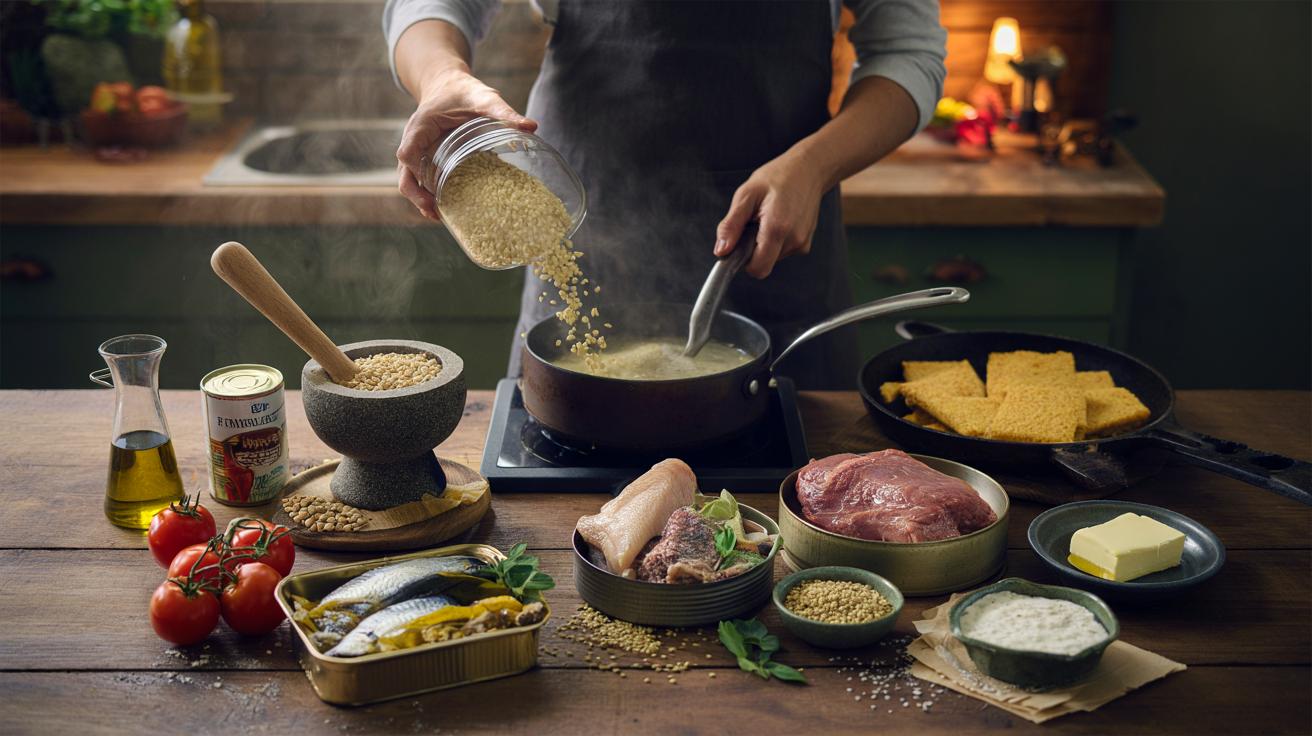
- 🔄 Pantry swaps that preserve flavour: use pearl barley or short-grain rice for risotto, toast sunflower seeds/almonds instead of pine nuts, rely on tinned tomatoes, and boost umami with miso and nutritional yeast.
- 🍖 Protein for less without compromise: choose secondary cuts (thighs, pork shoulder, beef shin), stretch meat with lentils, and swap pricey fish for tinned mackerel/sardines; slow or pressure cooking delivers luxe textures.
- 🧀 Dairy, fats, and umami toolkit: stir Greek-style yogurt or tahini into sauces, blend rapeseed oil with butter, make ricotta at home, and supercharge flavour with white miso, soy sauce, porcini powder, and nutritional yeast.
- 🛒 Smart shopping strategies: compare by unit pricing, leverage loyalty offers and yellow-sticker finds, plan menus around discounts, and store staples properly to cut waste and costs.
- 🥘 Batch, store, repurpose: Cook once, eat thrice (barley risotto → arancini, pulled pork → tacos), label and date, keep an eat-first box, and turn scraps into pickles, citrus candy, and stock.
British households are feeling the squeeze at the tills, but chefs have a trick up their sleeves: strategic swaps that protect flavour while slashing costs. These are not weak compromises. They are technique-led changes that unlock umami, texture, and aroma using humbler staples. Think creamy risottos without pricey rice, pestos without pine nuts, steaks swapped for sumptuous slow-cooked cuts. The best bit? Many of these alternatives are healthier, more sustainable, and easier to find at the corner shop. Good food does not require premium price tags, only smart choices and confident methods. Here’s how to cook like a pro, spend like a saver, and eat like a king.
Pantry Power: Clever Swaps That Keep Flavour High
Start with the base. For silky, starch-rich dishes, replace arborio with pearl barley or short-grain pudding rice. Both release ample starch for a creamy finish and hold shape better for leftovers. In pestos, toasted sunflower seeds or almonds mimic the buttery bite of pine nuts at a fraction of the cost; bump savouriness with a spoon of miso or nutritional yeast. Ditch out-of-season fresh tomatoes for tinned San Marzano-style and add a pinch of sugar to balance acidity. Frozen spinach, peas, and herbs are peak-picked, cheap, and consistently good. They blitz into soups and sauces with vivid colour and reliable sweetness.
For depth, toast spices whole, then grind; the aroma lasts longer and you use less. Swap expensive balsamic reductions for a quick glaze of brown sugar, cider vinegar, and a dash of soy. And don’t sleep on polenta: set, slice, and pan-fry until crisp to replace pricier sourdough croutons or potato sides. The through-line is technique—toast, hydrate, and balance. Use acidity (lemon, vinegar), sweetness (onions slowly sweated), and salt thoughtfully. When flavour architecture is sound, no one asks about the brand of rice.
| Swap | Instead Of | Approx. Saving per 100g | Culinary Note |
|---|---|---|---|
| Pearl barley | Arborio rice | £0.10–£0.20 | Creamy, nutty; holds bite |
| Sunflower seeds | Pine nuts | £1.00–£1.50 | Toast well for butteriness |
| Tinned mackerel | Fresh salmon | £0.80–£1.20 | Rich, smoky, omega-3 heavy |
| Nutritional yeast | Parmesan | £0.40–£0.70 | Cheesy, vegan umami boost |
| Tinned tomatoes | Off-season fresh | £0.30–£0.50 | Consistent acidity and colour |
Protein on a Budget: From Butcher Cuts to Beans
Chefs love secondary cuts. Why? Slow heat turns cheap cuts into luxury. Chicken thighs outperform breasts for succulence, while pork shoulder and beef shin melt into glossy sauces under low-and-slow cooking. Pressure cookers and slow cookers do the heavy lifting; add anchovy, miso, or marmite to the braise for deep savouriness without buying expensive stock. Stretch meat by pairing it with pulses: half minced beef, half lentils still delivers a luscious Bolognese that clings to pasta. Toast lentils in oil first, then simmer in stock for nuttiness and better structure.
Fish night? Swap salmon for tinned mackerel or sardines; fold through lemon-zested couscous with herbs and capers for zing. Eggs remain the weeknight champion: a French-style omelette with leftover greens and a swipe of soft cheese rivals any gastropub plate. For plant-centric plates, marinate firm tofu or mushrooms in soy, vinegar, and garlic, then roast hard for crisp edges and a juicy middle. The trick is viscosity and browning: reduce marinades, glaze mid-cook, and finish with citrus or pickles for brightness. Balance fat, salt, acid, and heat, and thrift tastes like indulgence.
Dairy, Fats, and Umami: The Chef’s Shortcut Toolkit
Gourmet gloss doesn’t require premium dairy. Use Greek-style yogurt instead of crème fraîche in sauces and dressings; temper with a splash of warm stock to prevent splitting. Stir a tablespoon of tahini into yogurt for instant richness and nutty depth. For butter economy, blend rapeseed oil with a little butter to baste steaks or finish risottos—satiny mouthfeel, lower cost. You can make fresh ricotta from whole milk and lemon juice at home; drain well and fold with herbs for a spread to rival artisan tubs.
Chase umami cleverly. A teaspoon of white miso in tomato sauce replaces hours of simmering. Soy sauce darkens gravies and balances sweetness in root veg roasts. Blitz dried porcini into powder and dust over mushrooms or steaks before searing; it behaves like a savoury MSG with a woodland perfume. Sprinkle nutritional yeast over popcorn, pasta, or greens for a parmesan-adjacent lift. Tiny quantities, huge pay-off. For vegans, combine yeast, miso, and toasted nuts to create a robust “umami paste” that enlivens soups, dressings, and stews without dairy or meat, keeping both budgets and diets in check.
Smart Shopping: How to Price-Check, Store, and Batch
Price labels hide clues. Scan the shelf for unit pricing (per 100g/ml) and you’ll spot stealth bargains, especially on larger bags of grains and frozen veg. Loyalty pricing—Tesco Clubcard, Sainsbury’s Nectar—can swing costs, but always compare the unit price. Yellow-sticker reductions are gold if you can cook or freeze that day. Buy value, not volume. A kilo of something wasted is not cheap. Build a menu around what’s discounted: if thighs are down, plan traybakes and ramen; if root veg is in, roast big and rotate into salads, soups, and mash.
Storage multiplies savings. Freeze chopped herbs in oil, parmesan rinds for stocks, and sliced bread flat so you can grab a single piece. Cook once, eat thrice: a pot of barley risotto becomes arancini; leftover pulled pork becomes tacos; roasted carrots blitz into a spiced dip. Label and date everything. Keep an “eat first” box in the fridge door to prevent quiet spoilage. Use airtight jars for grains to deter pests and maintain freshness. And always repurpose: pickle cucumber ends, candy citrus peel, save bones for broth. Waste less, and your food budget falls without a fight.
Affordable gourmet cooking isn’t smoke and mirrors; it’s a set of repeatable habits. Choose the right swap, deploy technique, and let time and heat do the luxurious work while the receipt stays light. The reward is confidence—knowing you can plate something stylish and satisfying any night of the week, from what’s already in your cupboard. Flavour first, frugality close behind. Which swap will you try tonight, and how will you make it your own?
Did you like it?4.5/5 (20)