In a nutshell
- ✨ A simple aluminium foil ball with water gently polishes chrome, using controlled friction to clear haze, water spots, and light rust without gouging the plating.
- 🧰 Follow a precise method: crumple foil, keep surfaces damp, use light pressure with overlapping strokes, wipe the grey slurry, and finish with a protective sealant for longevity.
- ⚠️ Know the limits: avoid on PVD-coated, lacquered, satin/brushed finishes and chrome-plated plastic; test discreetly and don’t expect foil to fix deep pitting or flaking chrome.
- 🌱 Low-cost and greener: reuse clean foil, skip harsh compounds, and pair with microfibre and mild cleaners for a minimal-waste, high-gloss result.
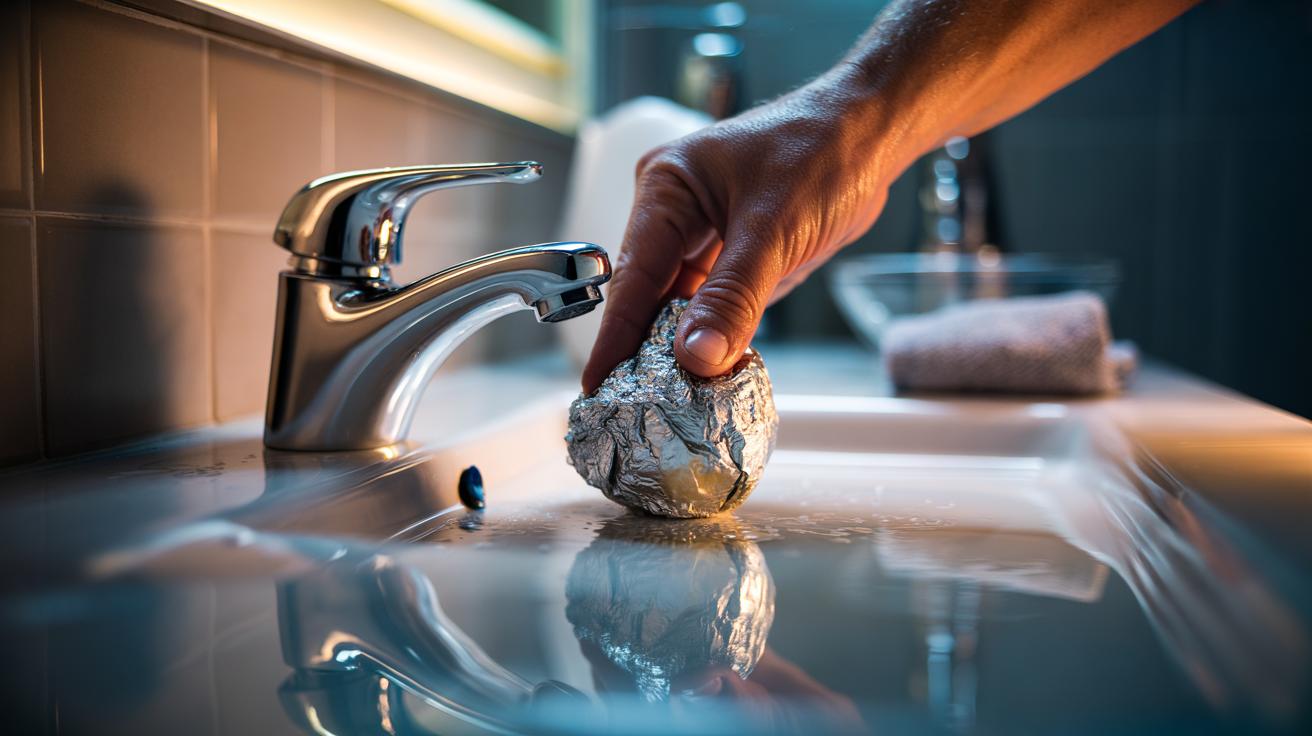
There’s a thrifty, slightly cheeky trick sweeping garages and bathrooms alike: the aluminium foil ball that buffs chrome until it gleams like showroom glass. It costs pennies. It works fast. And the science is far better than folklore. By pairing mild micro‑abrasion with subtle electrochemistry, you can lift surface rust, haze and water spots with little more than tap water and a crumpled sheet. This is not brute-force scrubbing; it’s controlled friction with a built‑in polish. Used with a light touch, the method spares the plating, revives clarity and leaves a slick, bright surface. The best part? You already own the kit.
The Science Behind Foil-on-Chrome Brilliance
The magic begins with tribology—the study of friction, wear and lubrication. Chrome is hard. Aluminium is soft. That matters. When you rub a damp ball of foil across a chrome surface, the foil deforms and spreads pressure over thousands of tiny contact points. The chromium plating, harder than the foil, resists cutting, while the foil sheds microscopic particles that act as a gentle abrasive. What you’re really doing is levelling micro-peaks and clearing oxide films without gouging the underlying finish.
Water changes everything. It lubricates to prevent harsh scratching and, crucially, encourages formation of a faint aluminium oxide slurry—fine enough to polish, strong enough to erase superficial clouding. Where red rust has bled from steel beneath thin chrome, aluminium’s position in the galvanic series helps: in the presence of moisture, the foil behaves as a sacrificial partner, nudging iron oxides to loosen so they can be wiped away. Heat from friction—modest but real—accelerates this tidy chemistry, speeding the shine.
The result feels uncanny: a few light passes convert dullness into sparkle, while the surface energy of cleaned chrome improves water beading and clarity. Small input, big visual dividend.
| Element | Function | Outcome |
|---|---|---|
| Aluminium foil | Soft burnisher; provides fine oxide abrasive | Levels haze without deep scratches |
| Water | Lubricant; carries debris | Smoother glide, reduced marring |
| Galvanic action | Encourages rust release | Spots fade; chrome clarity returns |
Step-By-Step Method for a Mirror Finish
Gather a sheet of aluminium foil, a bowl of water (or water with a splash of mild vinegar), and a clean microfibre cloth. Crumple the foil into a palm‑sized ball with a softly textured surface—no sharp points. Dampen the chrome and the foil. Always test on an inconspicuous patch first to confirm there’s no special coating. Work in small zones. Use light pressure and short, overlapping strokes, then switch to lazy circles. Keep it wet. If the foil drags, add more water.
Every 20–30 seconds, pause. Wipe the area with the microfibre to inspect progress and remove the grey slurry of loosened oxidation. Stubborn specks? Re-wet and repeat with feather-light passes. Resist the urge to press harder; let the chemistry and the micro‑abrasion do the lifting. Most tap handles, bicycle rims and exhaust trims brighten within 60–90 seconds per section. Pitted areas will improve but rarely vanish completely, because pits extend below the plated layer.
Finish by rinsing and drying thoroughly. For longevity, add a thin layer of sealant—carnauba wax, a polymer spray, or a ceramic topper—to slow future oxidation and water spotting. Dispose of used foil responsibly. If you can read the reflection of printed text in the chrome, you’ve hit the sweet spot.
Limits, Caveats, and Smarter Alternatives
This tactic excels on genuine chrome-plated metal. It’s less suitable for PVD-coated or lacquered trim, satin/brushed finishes, and chrome-plated plastic, where the plating is whisper-thin. There, go gentler: soap, water and a non-abrasive polish, or a purpose-made plastic-friendly cleaner. Avoid using foil on bare aluminium or stainless with a deliberate brush texture; you’ll alter the grain. When in doubt, test, inspect, then proceed sparingly.
Deep rust, flaking chrome or bubbling from sub‑surface corrosion signals a line crossed—cosmetic polishing won’t rebuild missing metal. Consider a specialist re-plate or, for classic cars and bikes, a professional refurb. For bathroom fixtures with limescale rings, a pre‑soak in a citrus-based descaler reduces scrubbing time. Where fingerprints mar quick, a wipe with isopropyl alcohol restores brilliance without abrasion. For stubborn soot on exhaust tips, combine the foil trick with a dab of mild metal polish, then neutralise with a damp cloth.
There’s also a sustainability angle. Reuse kitchen foil that’s clean on one side as your polishing pad, then recycle if local facilities accept lightly used foil. You’ll skip harsh compounds, cut plastic packaging, and reclaim lustre with near-zero waste. A simple foil ball, handled carefully, can outshine a shelf of specialty products.
The foil-on-chrome method distils clever physics into a kitchen‑drawer hack: soft metal, controlled friction, a touch of moisture, and a finish that looks freshly plated. Used with patience and light hands, it revives taps, trims and handlebars in minutes, then holds the line with a quick protective topcoat. You needn’t be a detailer to command that mirror flash—just attentive enough to test, to watch the surface, to stop early rather than late. Which piece of tired chrome in your home or garage will you transform first, and what finish-saving stories might it tell once it shines again?
Did you like it?4.6/5 (27)