In a nutshell
- 🍝 Colatura di alici is Italy’s refined anchovy essence from Cetara, a modern heir to Roman garum, prized for clean, elegant umami that deepens pasta sauces without tasting fishy.
- 🐟 Chefs use it as a precision seasoning, not a base—tiny amounts bind tomato, garlic, and olive oil, smoothing bitterness and making sauces taste “finished.”
- 🧂 Technique matters: start with 1/4–1/2 tsp per person, add off the heat, and adjust to taste; it elevates pomodoro, aglio e olio, and puttanesca without extra salt.
- 🛒 Sourcing and storage: choose bright amber bottles labeled PDO, ingredients anchovies + sea salt only, in dark glass; cap tightly, store cool, and note that refrigeration extends freshness.
- 🌿 Beyond pasta, a few drops enrich minestrone, grilled vegetables, seafood, and polenta—always small amounts, last minute—for layered depth that tastes authentically Italian.
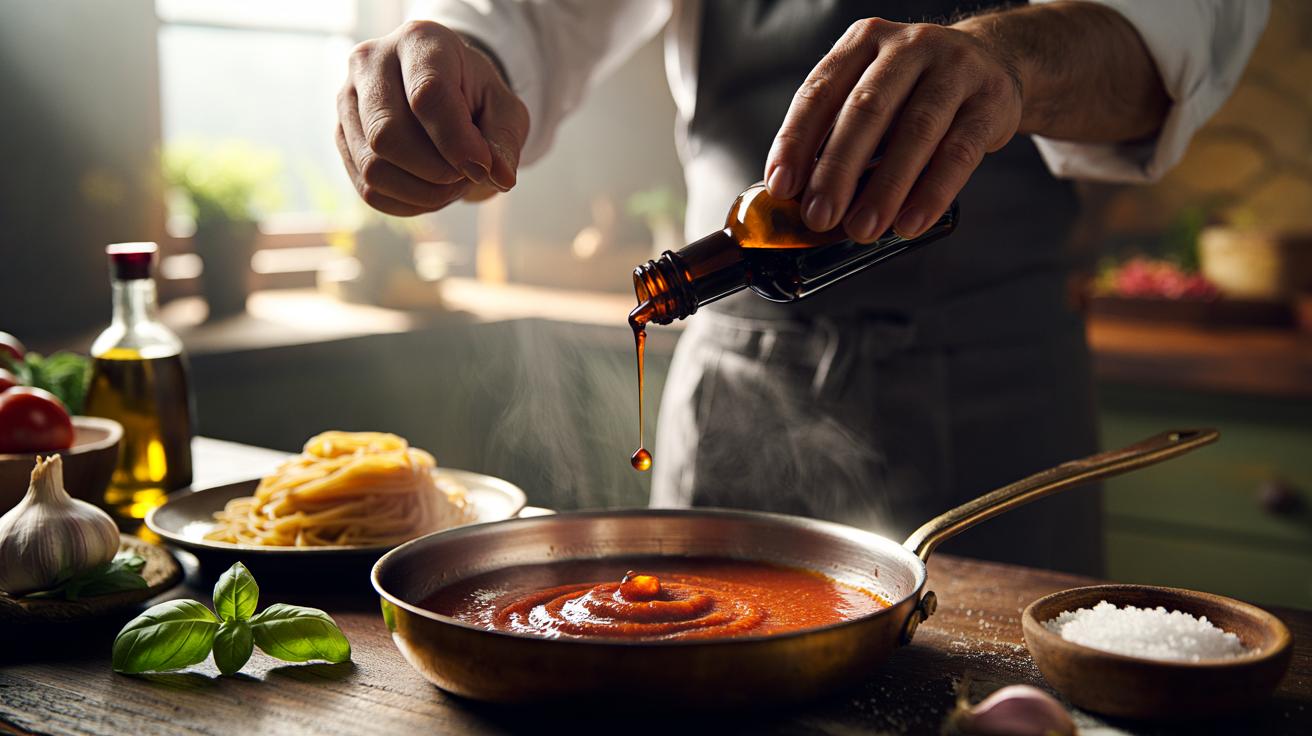
Italian kitchens hold quiet secrets. Not all of them are written into recipe books. One of the most potent is a copper-amber liquid that master chefs swear by yet home cooks often overlook: colatura di alici. Born on the Amalfi Coast, this concentrated anchovy essence turns a decent sauce into a dish with echoing depth. A drop tastes like the sea at dusk. Another tastes like sun-dried tomatoes and warm barrels. It amplifies without shouting. The magic is simple: colatura delivers clean, elegant umami that makes authentic pasta sauces taste unmistakably Italian. And once you learn how to use it, you won’t look back.
What Is Colatura di Alici and Why Chefs Swear by It
Colatura di alici is Italy’s artisanal fish sauce, refined over centuries in the fishing town of Cetara. Fresh spring-caught anchovies are layered with sea salt in small chestnut barrels, then left to mature. As the fish settles, a golden, aromatic liquid seeps through and is collected drop by patient drop. Think of it as a descendant of Roman garum, but honed to modern palates: concentrated, clean, and astonishingly suave. Unlike some blunt fish sauces, good colatura tastes like clarity—saline, savory, and delicately sweet.
Italian chefs adore it because it deepens flavor without the heaviness of cream or the noise of excessive aromatics. A teaspoon can bind tomato, olive oil, and garlic into one voice. It smooths bitter edges in long-simmered sauces and wakes up sleepy weeknight pomodoro. A few drops can transform a simple tomato sugo into something restaurant-calibre, no extra ingredients required. Notably, producers of “Colatura di Alici di Cetara” now hold PDO status, a safeguard of origin and craft that signals quality and authenticity.
Texturally, it is feather-light. The color ranges from topaz to amber. The aroma is warm, nutty, gently marine. Crucially, it does not make a sauce taste “fishy”; it makes it taste finished. That’s why chefs from Naples to Milan keep it within arm’s reach.
How to Use Colatura in Pasta Sauce
Use colatura as a seasoning, not a base. Start modestly: 1/4 to 1/2 teaspoon per person. Stir it into warm sauce off the heat, then taste and adjust. With pomodoro, finish after reducing the tomatoes so the colatura’s perfume stays intact. For aglio e olio, add a drop to the emulsified garlic oil just before tossing with pasta. In seafood sauces, it frames sweetness and brine without crowding the shellfish. Never boil colatura hard or you’ll mute its high notes; heat gently, season late, taste often. Not traditional, but accepted among some chefs: a whisper in ragù bianco, or to give puttanesca extra dimension when capers vary in quality.
Practical method for a 2-serving tomato sauce: sauté garlic in olive oil until pale gold, add crushed tomatoes and reduce to a glossy spoon-coating consistency. Kill the flame. Add 1 teaspoon colatura, a knob of butter, and a splash of pasta water. Swirl. Finish with basil and black pepper. The sauce won’t read as anchovy; it will simply taste more itself.
| Sauce | Per-Person Dose | When to Add | Chef’s Tip |
|---|---|---|---|
| Pomodoro | 1/4–1/2 tsp | Off heat, at end | Balance with a pinch of sugar if tomatoes are sharp |
| Aglio e Olio | 1/4 tsp | Into warm oil before tossing | Whisk with pasta water for a silky emulsion |
| Puttanesca | 1/4 tsp | After olives and capers | Reduce added salt elsewhere |
Quality, Sourcing, and Storage Tips
Buy from producers in Cetara or Campania with short ingredient lists: anchovies and sea salt, nothing else. Seek bottles labeled with PDO or detailed provenance. The best colatura is bright and clear, amber rather than murky brown, with aromas of nuts and cured fish, not harsh brine. Packaging matters; dark glass protects delicate aromatics. Expect small volumes—often 100–250 ml—because true colatura is labor-intensive and concentrated. Price reflects craftsmanship, but a single bottle seasons dozens of meals.
Store in a cool, dark place. After opening, keep tightly capped; refrigeration is optional but extends freshness. Natural salt crystals may form over time; they’re harmless. If the aroma turns bluntly sour or aggressively ammoniac, the bottle’s past its prime. Can’t find colatura? A thoughtful stand-in is high-quality, traditionally fermented fish sauce used sparingly, rounded with a mashed anchovy fillet and a touch of good olive oil. It won’t be Cetara, but it will give you a similar, clean umami lift. Taste, adjust, and keep salt levels in check.
Remember, this is seasoning, not a centerpiece. Use like you’d use soy sauce in a glaze—precisely and with intent.
Beyond Pasta: Layering Umami Across the Italian Kitchen
Chefs deploy colatura wherever dishes want quiet depth. Drizzle a few drops into a lemony dressing for grilled courgettes. Whisk into butter to glaze roasted cauliflower. Fortify minestrone at the table, one spoonful at a time. In seafood cookery, it’s a natural—fold into warm clams with parsley and pepper, or brush over grilled prawns while resting. Think of colatura as the invisible line that connects fat, acid, salt, and aroma into a single, confident flavor.
Pizza marinara? Add a bead to the tomato base, then bake hot; the crust amplifies its sweetness. Polenta with mushrooms? A half-teaspoon in the finishing butter pulls everything into focus. Even braised greens benefit, especially when olive oil is robust. The rule is constant: tiny amounts, last minute, no hard boiling. In Italian tradition, anchovy has long been a cook’s stealthy salt—colatura is simply its most distilled, elegant form. Used judiciously, it tastes like authenticity, not novelty.
The result is not “fishy Italian food.” It is Italian food that tastes fully realized. Once you sense how it rounds rough edges and brightens aromatics, you’ll start seeing opportunities everywhere—on and beyond pasta.
For many of Italy’s master chefs, colatura di alici is the quiet backbone that lets sauces sing—an old technique making modern plates memorable. It’s economical, powerful, and surprisingly forgiving when used with a light hand. Bring it into your kitchen, and your tomato sauces will gain bass notes, your weeknight garlic oil will taste composed, and your seafood will need less fuss. A small bottle writes big stories into food. Where will you try your first drop—pomodoro, aglio e olio, or something daring like minestrone finished at the table?
Did you like it?4.4/5 (30)