In a nutshell
- 🔬 Solubility in action: Isopropyl alcohol disrupts dye–binder bonds, its low surface tension penetrates fibers, and capillary action lifts loosened color for swift stain release.
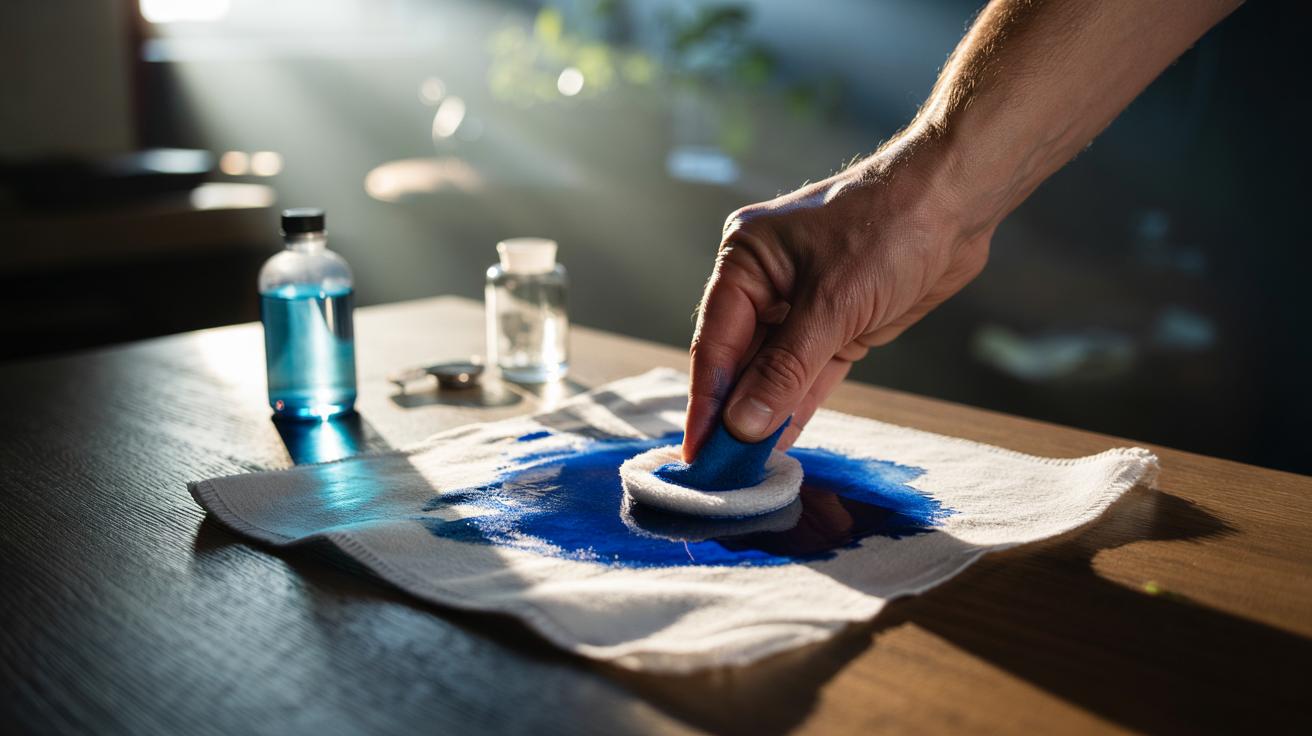
- 🧽 Pro method: Patch test, place an absorbent pad beneath, apply 70% isopropyl alcohol, blot (don’t scrub), repeat short cycles, then rinse and only heat-dry once the mark is gone.
- 🧵 Material matters: Cotton/linen and polyester respond well; silk, wool, and leather need caution; unsealed wood is a no-go, while sealed wood, laminate, plastics, and metals usually clean up with brief contact.
- 🖊️ Ink differences: Water-based inks lift fast; gel inks release slower; permanent markers often require multiple passes plus mild detergent to emulsify binders.
- ⚠️ Safety and substitutes: Ventilate, keep alcohol from flames, avoid mixing with bleach, wear gloves; consider ethanol or alcohol-based sanitiser for milder scent or convenience, and seek expert help for heritage textiles.
Rubbing alcohol has long been the quiet hero of domestic emergencies, especially when a pen leaks or a marker slips across fabric, wood, or skin. The science is elegant yet simple: inks are engineered to stick, and alcohol is engineered—chemically—to persuade them otherwise. In moments, a dab of isopropyl alcohol breaks apart dye clusters and resin binders, releasing pigment from fibers and surfaces. Act quickly and you can halt the stain before it sets, limiting spread and shadowing. This guide explains the chemistry of solubility, lays out a step-by-step routine tested by cleaners and conservators, and clarifies what to do by material, from denim to varnished desks.
Why Alcohol Dissolves Ink on Contact
Inks blend colorants (dyes or pigments) with solvents and binders that latch onto fibers. Many everyday inks are partly soluble in alcohol because isopropanol is a polar aprotic solvent: it interacts with charged sites on dye molecules and softens polymeric binders without adding excess water. The result is a rapid loosening of the stain’s internal structure. The moment alcohol touches the mark, diffusion begins, and dye molecules migrate into the liquid phase.
There’s more at work. Alcohol’s low surface tension lets it slip into weave interstices, wetting fibers that water can’t penetrate swiftly. It evaporates fast, too, reducing the risk of a halo line. On coated surfaces—laminate, sealed wood, plastics—alcohol swells the topmost film just enough to lift color without gouging. Capillary action pulls the solubilised dye into the absorbent pad beneath, provided you’re blotting rather than scrubbing. That absorb-and-lift mechanism is why pressure and patience beat force every time.
Step-by-Step Method for Lifting Stains
First, set up. Slide a white paper towel or clean cloth under the stain to catch transfer. Test a dab of 70% isopropyl alcohol in a hidden spot. If the test leaves no color loss or texture change, proceed. For fabric, keep the stained area taut over the backing pad. For hard surfaces, work from the edge inward to prevent spread.
Apply alcohol with a cotton bud for pinpoint control or a lint-free pad for larger areas. Blot. Don’t rub. You’re trying to coax dye out, not drive it deeper. Replace the backing as it saturates. After 30–60 seconds, switch to a fresh, dry pad and press; this wicks the colored solution away. Repeat light applications until transfer slows. Rinse textiles with cool water to remove residual solvent and loosened binder, then launder as usual. Only apply heat (ironing, tumble-drying) after the mark has fully vanished.
For stubborn inks—oil-based markers, archival pigments—alternate short alcohol soaks with a mild dish soap solution to emulsify binders. Ventilate the area and keep alcohol away from flames; it’s highly flammable. If color from the fabric itself begins to lift, stop and switch to a gentler approach like diluted ethanol or a specialist stain remover.
What Works on Different Materials
Not all surfaces tolerate alcohol equally. Natural fibers are forgiving; delicate finishes are not. The table below summarises best practice for common cases, with quick notes on dwell time and risk. When in doubt, shorten contact time and increase blotting frequency.
| Material | Alcohol Use | Dwell Time | Notes |
|---|---|---|---|
| Cotton/Linen | Yes | 30–60 sec cycles | Blot over white pad; rinse between cycles. |
| Polyester/Blends | Yes | 30–45 sec | Quick evaporation; repeat light passes to prevent rings. |
| Silk/Wool | Caution | 10–20 sec | Test first; risk of dye bleed and texture change. |
| Leather/Vegan Leather | Caution | 10–15 sec | Use minimal alcohol; recondition with leather balm. |
| Unsealed Wood | No | — | Alcohol can raise grain; consult a finisher. |
| Sealed Wood/Laminate | Yes | 15–30 sec | Wipe dry immediately to protect finish. |
| Plastic/Metal | Yes | 20–40 sec | Excellent for marker; avoid painted logos. |
Ink chemistry matters, too. Water-based pens lift quickly. Gel inks release more slowly due to thickened carriers. Permanents often need multiple cycles plus gentle detergent. If a halo appears, flush with cool water and start again with smaller applications.
Safety, Scent, and Smarter Substitutes
Isopropyl alcohol is efficient, but respect its hazards. It’s volatile and flammable; keep it away from heat, candles, or smokers, and ventilate well. Store in a tightly sealed container, out of reach of children and pets. Skin contact is generally low-risk for brief periods, yet frequent exposure can dry skin; gloves help. Avoid mixing alcohol with chlorine bleach—this can generate hazardous fumes and unpredictable reactions with certain dyes.
Prefer a milder scent or a slower evaporation rate? Try ethanol-based solutions or unscented alcohol pads. In a pinch, hand sanitiser with at least 60% alcohol can lift ink, though added glycerin may leave residue—rinse fabrics thoroughly. For eco-minded households, use targeted application to minimise waste and choose reusable cotton pads. On heritage textiles or priceless papers, consult a conservator before any solvent work. Precision, not quantity, delivers the cleanest, safest result.
Used with care, rubbing alcohol turns a dreaded blot into a manageable moment, harnessing solubility, fast evaporation, and capillary pull to rescue fabrics and finishes. The trick is restraint: small doses, steady blotting, and timely rinsing. Keep a bottle in your toolkit and you’ll never fear a leaky pen or rogue marker again. From school uniforms to studio benches, the method scales beautifully and saves time, money, and nerves. What’s the most challenging ink mishap you’ve faced—and where would you test this approach first?
Did you like it?4.5/5 (26)