In a nutshell
- 🐾 Vinegar’s sharp acetic acid scent disrupts urine cues, creating an immediate “not here” signal that interrupts pet marking behaviour.
- 🧪 Use proper dilution (1:1–1:3) and spot test; safe on sealed tile, vinyl, and finished hardwood, but never on natural stone.
- 🧼 Clean first with enzymatic cleaners, then apply a light vinegar mist; keep pets away while it dries and never mix vinegar with bleach.
- 🧭 Turn the quick fix into lasting change: reward outdoor toileting, optimise cat litter boxes, reduce triggers, consider pheromone diffusers, and get a veterinary check if marking is sudden.
- ⚠️ Avoid common mistakes: relying on vinegar alone, over-saturating floors, using heavy fragrances, or damaging finishes; choose surface-appropriate, behaviour-smart strategies.
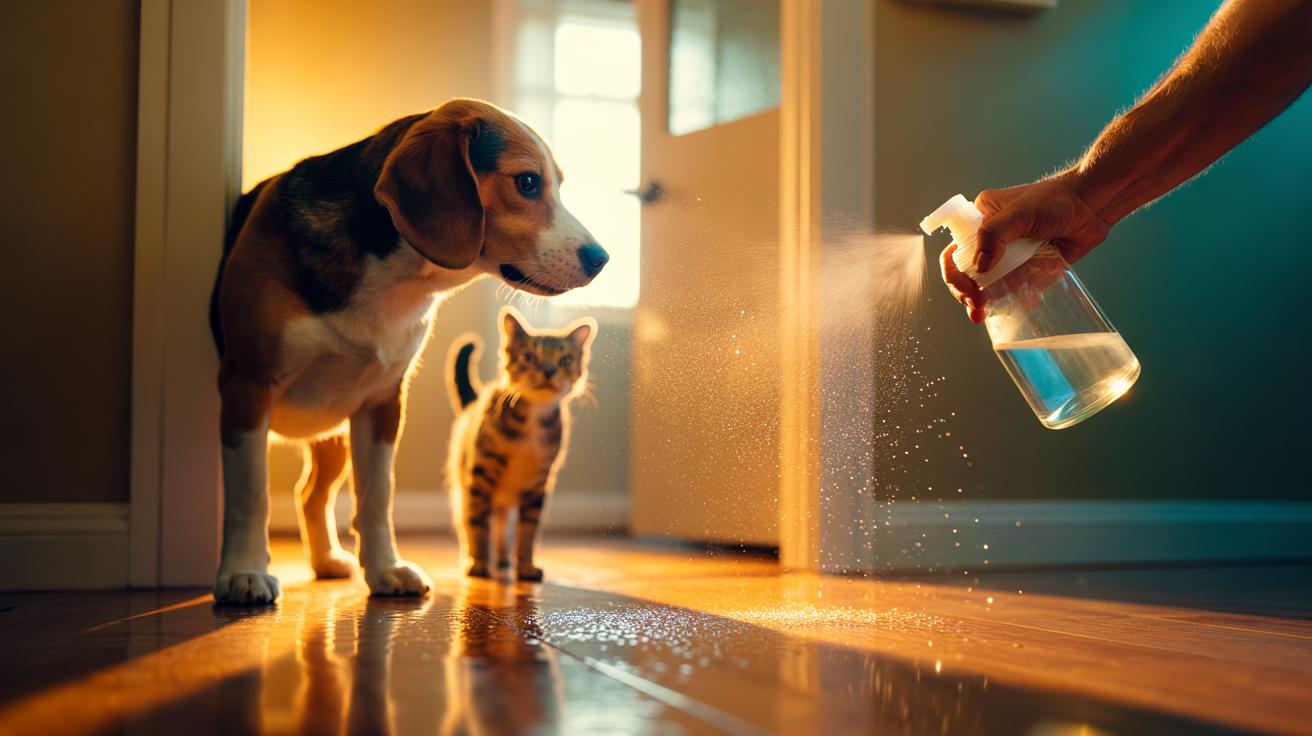
Pet owners swap tips at the park and in group chats, yet one simple fix keeps resurfacing: a quick splash of household vinegar to stop dogs and cats from scent-marking. It sounds homespun. It’s also grounded in how animals read the world through smell. The sharp odour of acetic acid doesn’t just cover urine cues; it competes with them, jolting pets out of autopilot. Used correctly, this scent can interrupt marking on the spot. Here’s the science, the safe method, and the caveats. Because a clever hack is brilliant only when it protects your floors, respects your pet’s welfare, and fits into a sustainable training plan.
How Vinegar Scent Interrupts Marking Instincts
Dogs and cats navigate by nose. Marking isn’t mischief; it’s communication. Urine deposits broadcast ownership, anxiety, even reproductive status. When your pet returns to an earlier “message,” the residual odour acts like a push notification: time to refresh the post. Enter vinegar. The pungent, volatile molecules in acetic acid flood the local scentscape and scramble those cues. In many homes, this sharp smell creates an instant “not here” signal. For odour-oriented species, it’s akin to static on a radio—unpleasant enough to disrupt the behaviour chain before the leg lifts or the squat begins.
Two mechanisms do the heavy lifting. First, vinegar reduces the perceptibility of the original urine odour by acidifying residues on the surface and competing for receptor attention. Second, the aversive quality of the smell induces avoidance. Some pets turn away immediately, sniffing elsewhere; others hesitate long enough for you to redirect to a permitted spot outdoors or to a litter tray. Results vary by animal and context. Confident dogs may ignore weak solutions; cautious cats may retreat at once. The effect is strongest where you’ve already cleaned thoroughly and removed urine proteins that keep “calling” them back.
Safe Application on Common Flooring
The watchword is dilution. Straight vinegar is overkill and can bite at finishes. A 1:1 or 1:2 mix of white distilled vinegar to water usually suffices for scent disruption while limiting risk to surfaces. Always spot test in a hidden area and wait for full drying before scaling up. Some materials—especially natural stone—should never meet acids. Remove fresh urine first with paper towels, then clean with an enzymatic product to break down proteins. After drying, mist the vinegar solution lightly across the target zone, not a soaking pour. Let it air off; the transient smell is the deterrent.
| Surface | Suggested Dilution | Dwell Time | Notes |
|---|---|---|---|
| Sealed Ceramic/Porcelain Tile | 1:1 (vinegar:water) | 5–10 minutes | Safe; wipe dry to prevent grout odour retention. |
| Sealed Vinyl/Laminate | 1:2 | 3–5 minutes | Light mist only; avoid seam saturation. |
| Finished Hardwood (Polyurethane) | 1:3 | 2–3 minutes | Spot test; buff dry immediately. |
| Natural Stone (Marble, Travertine) | None | — | Avoid vinegar entirely; use stone-safe cleaners. |
For rugs, rely primarily on enzymatic cleaners and air movement. If you apply vinegar, use a light, peripheral spritz rather than soaking fibres. Never mix vinegar with bleach or products containing chlorine; the combination can release hazardous gases. Finally, keep pets out of the area while the scent is at its sharpest, then reintroduce with guidance to a preferred spot.
From Quick Fix to Lasting Change
Vinegar is a circuit breaker, not a curriculum. To convert today’s success into tomorrow’s habit, pair the immediate deterrent with clear alternatives. Take dogs to a designated outdoor patch, wait for a sniff-squat sequence, then praise and reward. For cats, provide an immaculate tray (one per cat, plus one extra), with fine, unscented litter at a depth they enjoy. Location matters: quiet, accessible, away from noisy appliances. If marking is rooted in stress, address the stressor as seriously as the stain.
Cleanliness underpins the entire plan. Until you eliminate the biochemical “breadcrumbs” of old urine, you’re fighting your own flooring. Enzymatic products digest those residues; vinegar then offers a sensory speed bump. For multi-pet homes, reduce competition triggers—rotate resources, separate feeding spots, and keep entryways calm where passing dogs ignite territorial urges. Consider pheromone diffusers for cats and anxious dogs, which can lower baseline arousal. And always keep an eye on health: sudden marking may signal urinary issues, pain, or hormonal change. A veterinary check is not overcautious; it’s prudent. The result you want is simple: fewer triggers, clearer choices, and a home that smells neutral to noses far sharper than ours.
Mistakes to Avoid and Smarter Alternatives
The biggest misstep is relying on vinegar alone while leaving the original odour intact. That’s wallpapering damp plaster. Another is dousing delicate surfaces with undiluted acid. You may deter marking and ruin a finish in the same afternoon. Always start mild, always test first. Don’t chase “clean” with bleach on urine sites; it can react with ammonia residues, and the smell may excite some dogs. Skip heavy fragrances that only layer new scents over old signals. They fade; the protein markers persist.
If vinegar’s smell irritates you or your pet, pivot. For floors that hate acid—stone, some hardwoods—use stone-safe cleaners and rely on enzymes plus environmental tweaks. Block habitual hot-spots with physical barriers or moveable furniture for a fortnight while habits cool. Increase outdoor toileting opportunities and tighten supervision windows after meals and naps. For cats, solve the box equation: size, number, litter type, and scrupulous scooping. Where interpersonal tensions spark marking, consider staged reintroductions or seek a certified behaviourist. The smart goal is not just deterrence but clarity—make the right spot easy, and the wrong spot uninteresting. Vinegar can start that story; your routine writes the ending.
Used with care, a splash of vinegar can flip a powerful behavioural switch by overwhelming scent cues that drive marking. It’s cheap, quick, and, in many cases, immediately effective. Yet the real win comes when this sharp signal sits atop thorough cleaning, thoughtful management, and positive training. Your pet learns, your floors survive, and peace returns to the hallway. Ready to test a measured spritz, pair it with a reward at the right spot, and observe what your own animal tells you about what works best?
Did you like it?4.6/5 (22)