In a nutshell
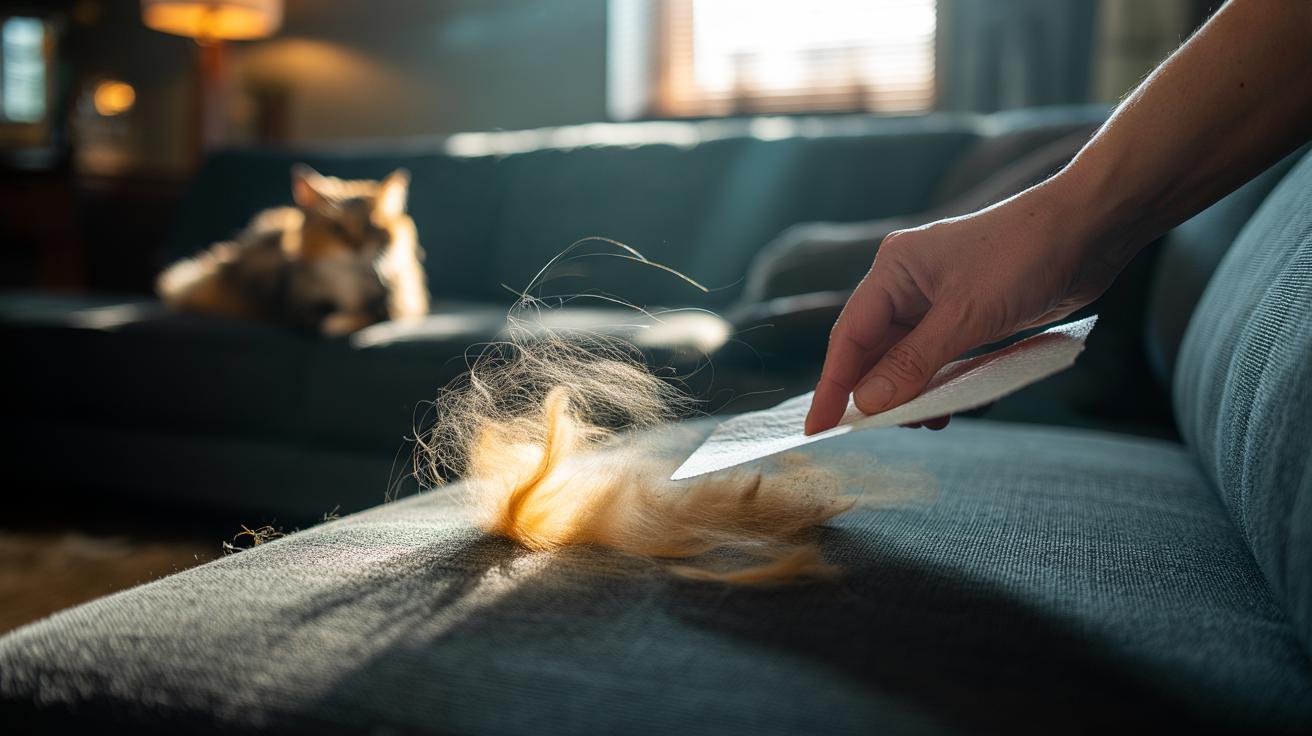
- 🧼 Use the dryer sheet hack to sweep pet hair off sofas quickly; light, single-direction strokes neutralise cling and make fur clump for easy removal.
- ⚡ Fur sticks due to static electricity and the triboelectric series; synthetics like polyester generate higher charge, while leather holds less.
- 🛋️ Technique matters: lay down cationic surfactants from the sheet, patch test first, avoid suede/untreated leather, then finish with a HEPA vacuum for dander.
- 🔧 Fabric-specific tactics: microfiber releases quickly after anti-static passes; wool/cotton may need a follow-up with a slightly damp rubber glove; keep humidity at 30–50% to curb static.
- 🌿 Safety and alternatives: choose unscented sheets in allergy homes, never use where pets chew; try reusable anti-static cloths or a light DIY mist for a greener approach.
Pet hair. It colonises cushions, creeps into seams, and clings as if stitched on. If you share a sofa with a cat or dog, you know the drill: endless lint-rolling and a hoover that never rests. There is, however, a surprisingly effective shortcut hiding in your laundry cupboard. A simple dryer sheet can sweep fur off upholstery in minutes, harnessing the same science that makes hair stick there in the first place. It sounds like a hack from a social clip, yet the physics is solid, and the results can be startling. Use it right, and your sofa stops acting like a fur magnet.
Why Sofas Seem to Magnetise Pet Hair
Your sofa and your pet’s coat are caught in a quiet electrical drama. When fabrics rub—human clothing against upholstery, a dog’s flank against a cushion—they trade electrons. This creates static electricity, a surface charge that makes lightweight fibres like pet hair gravitate and hang on. The effect follows the triboelectric series, the ranking of materials by their tendency to gain or lose electrons. Synthetic upholstery—polyester, acrylic, nylon—sits high on the list for generating cling. Wool and certain cotton mixes do it too, just differently. Leather? Less so, because it doesn’t build charge as readily.
Static is sneaky. Dry rooms boost it, and winter heating turns your lounge into a static factory. Movement matters as well: pets leap, humans shift, cushions compress, and every micro-rub refreshes the charge. It’s why fur can seem to rise and drift before settling into piping and tufts. Break the static, and hair stops behaving like iron filings around a magnet. That’s the essence of this hack. Change the electrical landscape on your sofa’s surface and the fur releases, allowing a quick sweep to gather it up instead of driving it deeper.
The Dryer Sheet Hack: Quick, Safe, Effective
Here’s the playbook. Take a clean, unused dryer sheet—fragrance-free if anyone’s sensitive—and fold it once to keep your grip. Start with gentle, single-direction strokes along the fabric grain, not circles. You’re laying down a microscopically thin layer of cationic surfactants (think quaternary ammonium compounds) that neutralise charge and reduce friction. Hair loosens. It clumps. It slides. Keep a bin or paper bag at your side and lift the gathered tufts away every few swipes. Short passes. Light pressure. It works faster than a lint roller on most textiles.
On tight weaves like polyester chenille, go top to bottom. On looped or delicate upholstery, keep the sheet flat to avoid snagging. For stubborn seams, wrap the sheet around a ruler or a butter knife (blunt) to run along piping. If the sheet dries out, switch sides or use a fresh one. Always perform a tiny patch test on an inconspicuous spot to check for residue or dulling. Avoid suede and untreated leather—use a barely damp microfibre cloth there instead. Finish by vacuuming with an upholstery tool to lift any remaining dander now that the static has been tamed.
Choosing Fabrics, Tools, and Tactics
Different sofas demand different tactics. Synthetics gather static quickly but also release hair quickly once neutralised. Natural fibres hold onto oils and dander, which means the sheet will help, but a second pass with a rubber-gloved hand (slightly damp) can pull deeper debris to the surface. Add a touch of humidity to the room—30–50% relative humidity is a sweet spot—to suppress charge in the first place. For allergy households, stick to unscented sheets and follow with a HEPA-filter vacuum to remove fine particulates you can’t see but do inhale.
| Sofa Fabric | Static Tendency | Hair Adherence | Best Quick Method |
|---|---|---|---|
| Polyester/Microfiber | High | High | Dryer sheet sweep, then vacuum |
| Wool Blend | Medium | Medium-High | Dryer sheet, then damp rubber glove pass |
| Cotton Canvas | Medium | Medium | Dryer sheet, then lint roller on seams |
| Leather/Faux Leather | Low | Low-Medium | Damp microfibre cloth; avoid residue |
Never use dryer sheets inside pet bedding or where animals might chew the fibres. They’re for surface treatment only. If you want a greener twist, try a reusable anti-static cloth or a homemade spray: distilled water with a single drop of fabric softener, lightly misted and wiped with microfibre. Keep the bottle labelled and away from pets. For prevention, throw washable throws over favourite napping zones and rotate them every couple of days. Small habit, big difference.
The beauty of the dryer sheet trick isn’t just in the speed. It’s in the physics: dissolve static, and fur has nothing to cling to. You spend less time wrestling with lint rollers, and your upholstery keeps its colour and hand-feel. The method is cheap, scalable, and ideal for last-minute spruce-ups before guests arrive. Pair it with weekly vacuuming and a touch of humidity control, and the battle eases. What’s your living-room linchpin—microfibre, leather, or a beloved wool blend—and how might you tweak this routine to suit your fabric, your pet, and your schedule?
Did you like it?4.6/5 (28)