In a nutshell
- 🌤️ Understand low light ≠ no light: aim for bright, indirect conditions (roughly 100–500 foot‑candles), move plants closer to windows, use pale walls/mirrors, and keep leaves clean for better light capture.
- 🌿 Choose survivors for dim corners: ZZ plant, snake plant, pothos, cast iron plant, and peace lily; consider pet safety and match plant form to the room.
- 💧 Prevent overwatering: use the finger test, a free‑draining mix (compost + perlite/bark), pots with drainage, rainwater for sensitive species, and light, monthly feeding in growing seasons.
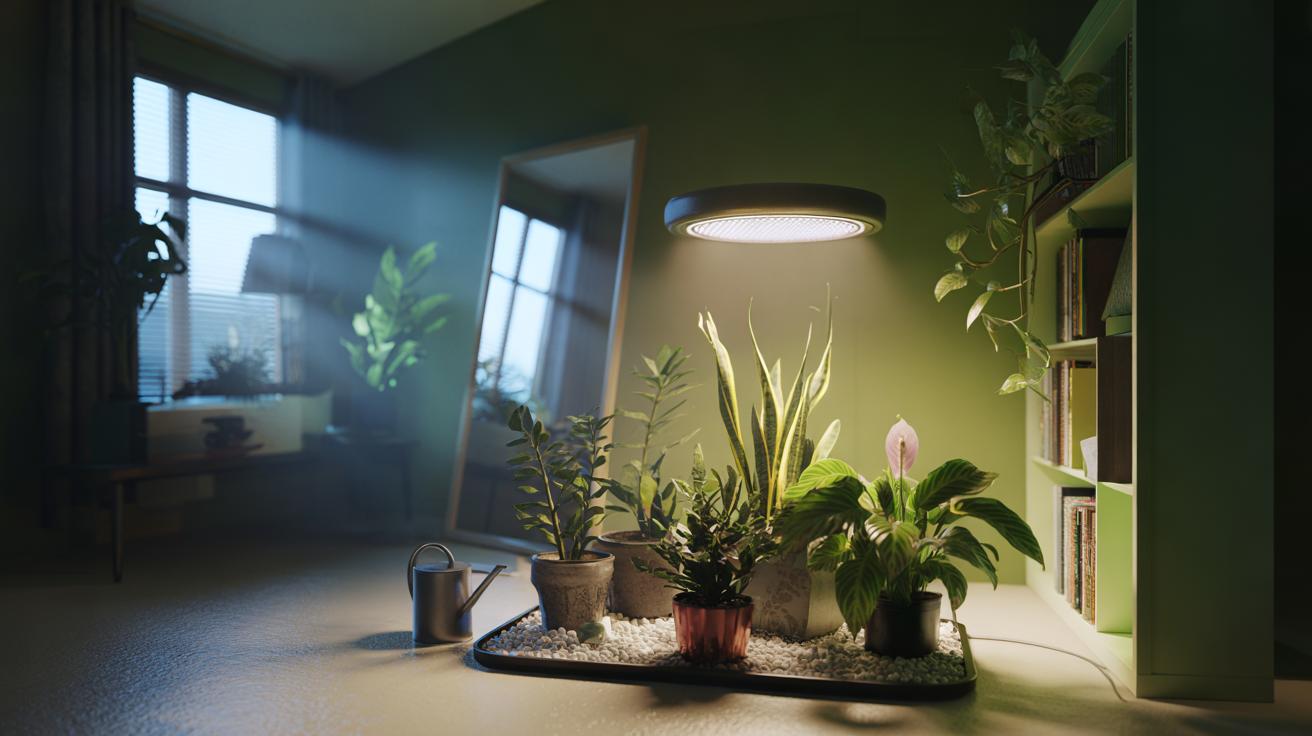
- 💡 Hack the environment: bounce light with mirrors and sheers, add a full‑spectrum LED on a timer (10–12 hours, 20–40 cm above leaves), boost airflow, group for humidity, and rotate weekly.
- 🗓️ Follow the seasons and signals: adapt care for UK winters, keep plants away from draughts/radiators, watch for leggy growth or scorch, and rely on steady routines over occasional “rescues.”
British homes are not famed for endless sunshine. North-facing flats, terraced houses with modest windows, winter skies that linger. Yet houseplants can still thrive. The trick is to understand what “low light” really is, choose the right botanical cast, and tune care to slower growth. Low light success is less about perfect conditions and more about consistent, gentle habits. Small steps. Big results. Low light does not doom your plants; mismatched species and overenthusiastic watering usually do. With a few reliable tactics and the right companions, your hallway shelf or shaded living room can become a quietly lush, resilient green corner.
Understand What ‘Low Light’ Really Means
Low light is not darkness. Plants still need energy, just less of it. Think of a room where you can read comfortably by day, but where direct sun rarely lands on the leaves. In numbers, that’s roughly 100–500 foot-candles (1,000–5,000 lux). British winter days may drop below that, but windows magnify sky brightness. Low light is not no light. If you can’t read a newspaper at midday without switching on a lamp, you need to move the plant closer to a window or provide a boost.
Distance matters. One metre from a bright window can cut light by more than half. North-facing sills and corners beside east- or west-facing windows are classic low-light zones. Keep leaves away from heavy curtains and dusty blinds that block diffuse rays. Use pale walls, glass doors, and mirrors to bounce brightness deeper into the room. A simple repositioning often doubles usable light without spending a penny.
Watch the plant, not just the app reading. Leggy stems, small new leaves, and slow, weak growth indicate too little light; bleached patches or crispy edges can signal too much. Rotate a quarter-turn weekly for even shape. Dust acts like sunglasses, so wipe leaves gently every fortnight. Clean leaves capture more light, and more light equals steadier growth.
Choose Survivors: Best Plants for Dim Corners
Some species simply shrug at gloomy weather. They evolved on forest floors, under taller canopies, sipping what little light filters down. Start with the stalwarts: ZZ plant (Zamioculcas zamiifolia), snake plant (Sansevieria/Dracaena trifasciata), pothos (Epipremnum aureum), cast iron plant (Aspidistra elatior), peace lily (Spathiphyllum), and Chinese evergreen (Aglaonema). These are forgiving, architectural, and usually undemanding about window aspect.
| Plant | Light Tolerance | Watering Rhythm | Pet Safety |
|---|---|---|---|
| ZZ plant | Low to medium | Every 2–4 weeks | Toxic if chewed |
| Snake plant | Low to bright | Every 2–5 weeks | Toxic if chewed |
| Pothos | Low to medium | Weekly to biweekly | Toxic if chewed |
| Cast iron plant | Low | Every 2–3 weeks | Generally safe |
| Peace lily | Low to medium | Weekly; keep moist | Toxic if chewed |
Pick texture and form to suit your space. Upright sansevierias frame a fireplace; trailing pothos soften bookshelves; aspidastras anchor dim hallways without complaint. If pets roam, position toxic species out of reach or opt for safer choices like calathea (moderate light) or the tough-as-boots cast iron plant. Match the plant to the room, not the other way around. That single decision prevents most disappointments and sets you up for long-term, low-light success.
Master Water, Soil, and Nutrition
In low light, plants sip rather than gulp. Photosynthesis slows, so roots drink more slowly and wet compost lingers. Overwatering is the number one killer in dim rooms. Use the finger test: poke the top 2–3 cm; if it’s dry, water thoroughly until it drains, then empty the saucer. If it’s cool and damp, wait. A simple moisture meter can help, but your fingertip is free and reliable.
Choose a free-draining mix: all-purpose houseplant compost lightened with perlite or bark (roughly 70:30). Keep plants in nursery pots with holes, slipped inside decorative cachepots so you can lift, water at the sink, and drain properly. In hard-water areas common across the UK, collect rainwater for peace lilies and ferns to avoid leaf tips browning. Feed sparingly: half-strength, balanced fertiliser once a month in spring and summer; pause in winter when growth idles.
Right-sized pots matter. A vast pot holds excess moisture around roots that cannot use it, inviting rot. Step up only when roots circle the base and water runs straight through. Top-dress annually by scraping off the upper 2 cm of compost and replacing with fresh mix. Think little and often for care; your plant will answer with steady, uncomplicated growth.
Hack the Environment: Mirrors, Timers, and Tidy Routines
You can cheat low light without turning your lounge into a laboratory. Angle a mirror or a pale board across from the window to bounce light deeper into the room. Swap heavy drapes for sheers during the day. If you add a grow lamp, pick a full-spectrum LED and set a timer for 10–12 hours to mimic a longer day. Position it 20–40 cm above the leaves, avoiding heat build-up. Consistent, moderate light beats occasional, intense blasts.
Airflow keeps leaves dry and fungi bored. A gentle fan on the far side of the room is enough. Group plants to raise local humidity, or use a pebble tray with water that evaporates under the pot base. Wipe foliage monthly to remove dust and restore the plant’s solar panels. Rotate a quarter-turn weekly for symmetry. These micro-habits take minutes and pay off in sturdier growth, fewer pests, and richer colour.
Watch the calendar as much as the plant. Winter in the UK brings short days and cool draughts; move pots off chilly sills at night and away from radiators that parch. Spring invites cautious feeding and a little more water. Summer stabilises routines. Autumn tells you to slow down again. Rhythm is your ally, and a simple checklist taped inside a cupboard keeps the whole household on track.
Low light isn’t a verdict, it’s a brief. Choose shade-tolerant species, keep compost airy, water by touch not by timetable, and bounce extra brightness with mirrors or a small LED. Stable habits, not heroic rescues, are the foolproof method that keeps houseplants thriving in dim corners. The reward is quiet, persistent greenery that softens hard edges and lifts winter moods without fuss. Which corner of your home is silently asking for a living, low-light experiment this week—and which plant will you trust to star in it?
Did you like it?4.4/5 (26)