In a nutshell
- 🍋 Lemon zest delivers an instant lift via fragrant aromatic oils, acting like a high‑frequency tweak that sharpens flavours; juice adds acid, but zest brings the perfume.
- 🛠️ Zest without bitterness by avoiding the white pith, using a fine microplane, and adding at the end to preserve volatile oils; stash extras by freezing or making citrus sugar, finishing salt, and compound butter.
- 🍽️ Smart pairings span savoury and sweet: finish seafood, pasta, roast veg, and chicken with zest; for desserts, rub zest into sugar, fold into whipped cream, and brighten chocolate bakes with a tiny pinch.
- 📊 Beyond lemons, compare citrus zests: lime is sharper and herbal, orange is sweet‑floral, grapefruit is bittersweet; blend to tune dishes and start small to avoid overpowering.
- 💡 Practical win: a small, budget‑friendly, calorie‑light sprinkle that turns flat food lively—keep lemons and a microplane by the hob for a reliable last‑second flourish.
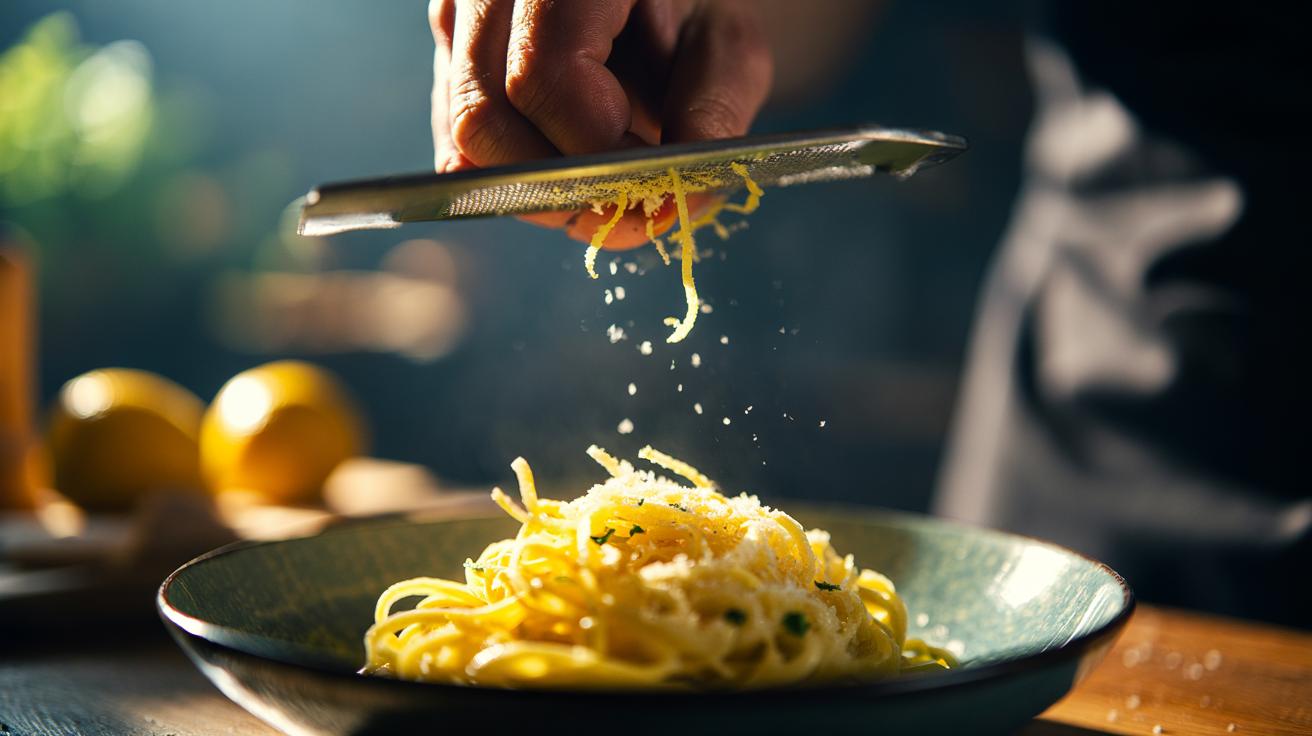
The quickest way to wake a tired supper is a lemon. Not the juice, though that helps, but the bright, perfumed spark of lemon zest. Those fine yellow shavings deliver an instant lift because they’re loaded with aromatic oils that hit the nose before the fork reaches your mouth. Add a pinch to pasta, scatter over roast chicken, or whisk into yoghurt for a sauce that suddenly sings. It’s a tiny intervention with outsized results. For sheer speed-to-impact in the kitchen, zest is unrivalled. Once you know how to extract it cleanly, you’ll use it daily, from breakfast porridge to late‑night snacks.
Why Lemon Zest Wakes Up Flavour
Flavour is mostly scent. That’s why lemon zest feels louder than lemon juice. Zest carries volatile oils such as limonene that bloom the moment they’re released, travelling through retro‑nasal olfaction to make everything taste fresher and more defined. Juice brings acid; zest brings perfume. Together they’re magic, but it’s the zest that can turn a flat pan sauce into something restaurant‑bright with a mere whisper. Think of it as a high‑frequency tweak that sharpens edges without adding bulk, salt, or heat.
The timing matters. Heat drives off those delicate compounds, so folding zest in at the end showcases its top notes. A little does a lot. Stir a pinch into ricotta just before serving, or finish grilled courgettes with olive oil, sea salt, and zest for a clean, sweet lift. Add zest late for maximum impact and you’ll preserve its citrus fireworks. It’s also calorie‑light and budget‑friendly, an easy win for midweek cooking.
Techniques To Zest Without Bitterness
The golden rule: avoid the pith. That white layer under the skin tastes bitter and will swamp a dish. Use a fine microplane and skim only the coloured surface, rotating the lemon so you never grind in one spot. If you’ve no zester, a vegetable peeler works; slice off thin yellow strips, then mince them to confetti. Wash and dry the fruit first to remove wax. For a cleaner aroma, choose unwaxed or organic lemons when possible. Never grate deep enough to reveal the chalky white pith—stop at the first sign of white.
There are flavour‑boosting tricks, too. Rub zest into caster sugar for instant scented sugar that makes cakes pop. Smash it with garlic and parsley for a classic gremolata to finish stews. Blitz with flaky salt to create a bright finishing salt for chips or roast potatoes. Fold into a compound butter with thyme for grilled fish. You can freeze zest in small bags, or zest whole lemons and cover with olive oil to make a quick drizzle. Add zest off the heat, then taste and adjust; restraint keeps it elegant.
Smart Pairings Across Savoury and Sweet
Citrus loves fat, salt, and herbs. Sprinkle lemon zest over hot buttered pasta with Parmesan and black pepper for a Roman‑leaning comfort bowl. Drop into mayonnaise, yoghurt, or tahini to cut richness without extra acidity. Seafood sings with zest: think pan‑fried mackerel finished with lemon, dill, and capers. Roast chicken benefits from zest mixed with garlic and rosemary under the skin. Vegetables shine, too—courgettes, asparagus, peas, and cauliflower all take on new clarity with a zest‑and‑mint shower. A single teaspoon can wake an entire tray of roast veg.
On the sweet side, rub zest into sugar before baking to release oils, then use in sponge cakes, shortbread, or pancakes. Fold zest into whipped cream for a no‑effort dessert topping, or whisk into custard to lift the vanilla. Pair with berries, cherries, and stone fruit; the zest frames their sweetness and tames heaviness. Try a quick fix: Greek yoghurt, honey, toasted oats, and lemon zest. Or brighten chocolate bakes with a tiny pinch—just enough to cut through the cocoa’s depth while keeping the crumb moist and fragrant.
Beyond Lemons: Comparing Citrus Zests
Different citrus skins deliver different personalities. Lemon is the versatile all‑rounder. Lime is sharper, bright green and herbal. Orange leans sweet and floral, fantastic with spices. Grapefruit is grown‑up: pithy if mishandled but thrilling when kept to the yellow‑pink surface. Swapping zests lets you tune a dish without altering technique. Use blends, too—lemon for clarity, orange for warmth. Choose your zest the way you’d choose a headline spice. Below, a quick guide for easy reference.
| Citrus | Aroma Profile | Best Uses | Intensity |
|---|---|---|---|
| Lemon | Clean, bright, classic | Fish, pasta, veg, cakes | Medium‑high |
| Lime | Green, zippy, floral | Salsa, curries, cheesecake | High |
| Orange | Sweet, warm, perfumed | Chocolate, duck, baking | Medium |
| Grapefruit | Bitter‑sweet, tonic‑like | Gin syrups, salads, caramel | Medium‑high (handle lightly) |
When substituting, start small—half the quantity—then build. Balance with salt and fat, and keep heat low or off when you fold zest in. The goal is lift, not domination, and the right citrus will act like a dimmer switch for brightness, helping you find the exact mood your plate needs.
Zest is a newsroom‑style fix for food: fast, precise, transformative. It lets a home cook do what a good editor does—cut the flab, keep the voice, sharpen the point. Keep a bowl of lemons by the hob, a microplane within reach, and think of that yellow confetti as your kitchen’s headline. When a dish tastes fine but feels flat, a pinch of zest is your press‑send moment. What will you revive first this week—a silky risotto, a humble tray of roast carrots, or tomorrow morning’s porridge crowned with citrus sparks?
Did you like it?4.3/5 (29)