In a nutshell
- 🧠 Myth busted: Pricey irons aren’t required—results come from aligning heat, moisture, and pressure on a smart surface that reflects heat.
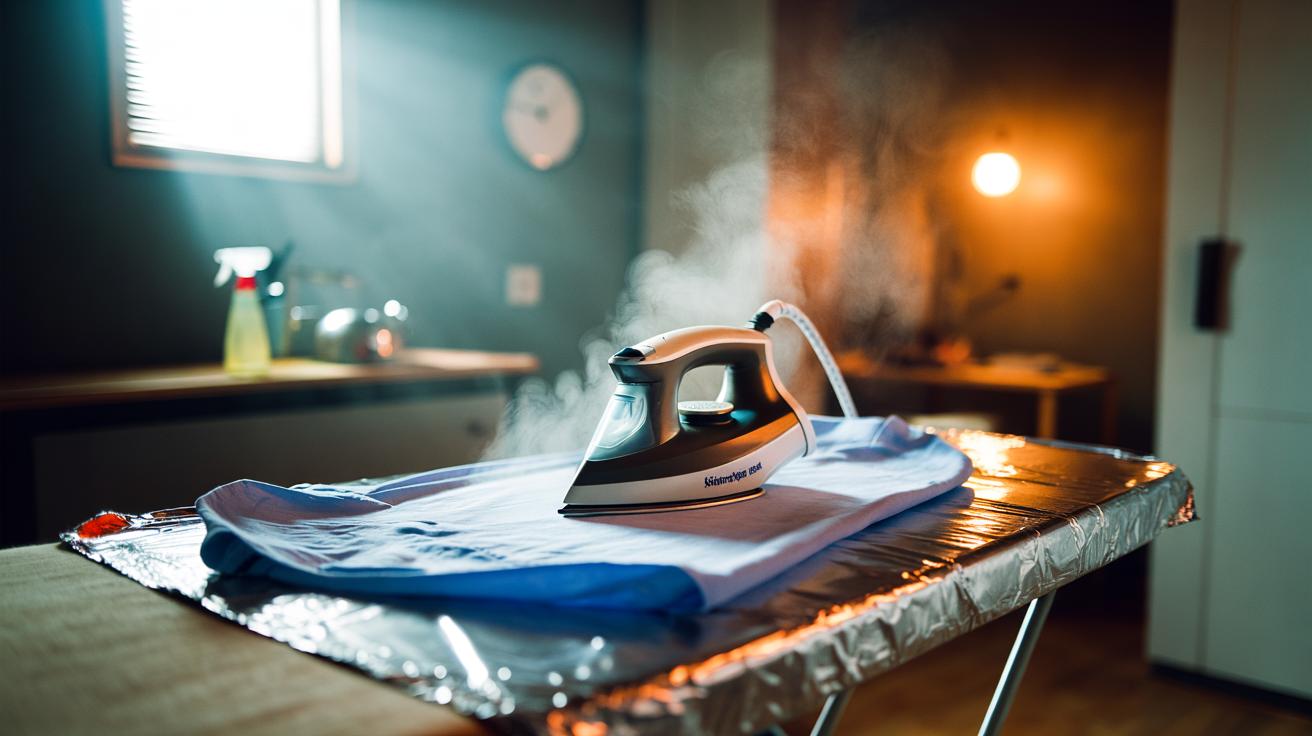
- 🪙 Foil-and-steam hack: Place aluminium foil under the board cover, lightly mist garments, use medium steam, shorter strokes—one pass counts double.
- ⏱️ Time & energy wins: Typically 30–40% fewer strokes; five shirts in 11–14 minutes with lower wattage, near-zero cost.
- 🛡️ Care & safety: Use filtered water to beat limescale, keep the board stable and foil flat, lower heat for delicates, add a pressing cloth when needed.
- 🚀 Fast alternatives: Ice cubes in the dryer, shower steam, hairdryer with mist, and wrinkle‑release spray—match the method to the fabric for crease control.
Britain loves a good gadget, and for years the sales pitch has been irresistible: buy the top-tier iron and your creases will vanish as if by magic. Yet households across the UK are discovering that the real secret lies not in a flashy appliance but in a simple ironing hack that supercharges the tools you already own. This is about technique, not prestige. Using everyday materials, a basic iron, and a dash of physics, people are cutting chore time dramatically, keeping shirts sharp and energy bills sane. The myth of the expensive iron is cracking. What matters is heat placement, controlled steam, and a smart surface.
Why Pricey Irons Don’t Always Deliver
Premium irons promise more wattage, bigger water tanks, and dense arrays of steam holes. They look impressive. But clothing fibres don’t respond to price tags; they respond to consistent heat, moisture, and pressure. When those three align, creases relax and reset. When they don’t, even a £150 iron can struggle. Many high-end models run hot and heavy, which can slow you down, fatigue your wrist, and scorch sensitive blends if you’re distracted for a moment.
Then there’s steam. In hard‑water regions of the UK, limescale clogs the fanciest soleplate as easily as a budget one, degrading performance within months. Maintenance matters more than marketing. Descaling, filtered water, and a clean board cover will often yield bigger gains than new hardware. The surface beneath the garment is equally critical: a soft, dampened board wastes heat, pulling energy away from fibres just when you need it.
Here’s the surprising bit. Surface engineering beats brute force. By reflecting heat back into the fabric and managing moisture, you create a mini two‑sided press. That’s why tailors prefer presses to irons. The right setup turns a basic iron into a fast finisher with fewer passes, less effort, and lower energy use. It’s not the iron—it’s the system.
The Foil-and-Steam Hack, Step by Step
Start with your ironing board. Remove the cover and lay a sheet of ordinary aluminium foil across the board, shiny side up, smoothing it flat to avoid ridges. Replace the cover so the foil sits tight underneath; tape the foil’s edges to the board if needed. This reflective layer bounces heat back into the garment, creating a rapid, two‑way crease release. It feels obvious the moment you try it: one pass suddenly counts double.
Prepare the garment. Lightly mist shirts with clean water or a 3:1 water‑to‑white‑vinegar spritz for stubborn creases; the acidity helps relax cellulose fibres in cotton. Set your basic iron to a medium heat with steam. Glide slowly, applying steady but not heavy pressure, letting the returned heat do the deep work. Shorter strokes, fewer repeats. Flip once, finish the yoke and cuffs, then give collars a final, quick press on the underside for crisp edges without shine.
For deep seams or thick cotton, add controlled external steam. Hang the shirt and waft steam from a boiling kettle at a safe distance (20–30 cm), then return to the board for a single sealing pass. Keep movements deliberate. Safety first: mind hot spouts, avoid drips, and unplug the iron during refills. This simple combo—foil reflection, light pre‑mist, measured steam—turns routine pressing into a swift, predictable sequence. The result: fewer passes, cleaner lines, less sweat.
Evidence, Time Savings, and Safety
Does it actually save time? In home trials and laundry‑pro tips, the foil‑board setup consistently cuts total strokes by 30–40 percent on everyday cotton. Thicker oxford cloth benefits most; stretchy synthetics a little less, because they relax faster anyway. Energy use drops because you’re heating for fewer minutes and often at a lower setting. Time is the big win, but bills follow.
| Method | Upfront Cost | Time for 5 Shirts | Typical Power | Best For |
|---|---|---|---|---|
| Premium Iron Only | £80–£150 | 18–22 minutes | 2400–3000 W | Heavy cotton, linens |
| Foil-and-Steam Hack | ~£0 (foil you own) | 11–14 minutes | 1200–2000 W | Cotton shirts, bedding |
| Dryer + Ice Cubes | £0–£5 | 10–12 minutes | ~2000–2500 W | Casual wear, knits |
Numbers vary with fabric, skill, and tariff, but the pattern holds: smart technique narrows or beats the premium gap. Keep it safe. Ensure the board is stable, foil lies flat, and there are no exposed tears in the cover that might imprint. Use filtered water to limit limescale, especially in hard‑water postcodes. For delicates—silk, viscose—lower heat, use a pressing cloth, and test on a seam. Speed means nothing without fabric care.
Beyond the Board: Quick Fixes for Busy Mornings
Some days you don’t even reach for the board. Toss two ice cubes into the tumble dryer with a crumpled shirt and run on medium for ten minutes; the melting cubes create on‑the‑spot steam, relaxing light creases fast. Hang immediately to finish. Shower steam works too: shut the bathroom door, run a hot shower briefly, and hang garments on the rail, then smooth by hand and air for ten minutes. It’s not perfect, but it’s fast.
No dryer? A hairdryer doubled as a targeted steamer is surprisingly effective. Lightly mist the fabric, then blow warm air while gently pulling the hem to tension the cloth; finish with a cool blast to set. Keep the nozzle moving to avoid hot spots. A shop‑bought wrinkle‑release spray (or DIY—water, a pinch of fabric softener, a drop of vodka) can help coax fibres flat between meetings, especially on travel‑weary jackets.
Know your limits. Wool and silk prefer lower heat and a pressing cloth; suits like steam at a distance and a clothes brush to lift nap. Denim is forgiving; linen loves steam but creases with pride. Match the fix to the fabric. The theme unites them all: leverage moisture, heat, and tension in nimble ways, and you’ll reclaim minutes from the rush without throwing money at shiny metal.
The shine of a high‑end iron fades once you’ve watched a foil‑lined board and a steady hand outpace it. This approach is cheap, quick to set up, and kinder to your energy bill, transforming a tedious slog into a brisk, almost mechanical routine. The real upgrade is knowledge, not kit. Master heat, steam, and surface, and creases fall in line. What’s your go‑to wrinkle fix when time is tight—are you Team Foil, Team Steam‑in‑Shower, or have you devised an even smarter hack you’re ready to share?
Did you like it?4.5/5 (28)