In a nutshell
- 🧵 A humble rubber band works as invisible wardrobe first-aid, cinching waists, replacing a missing button, and stabilising hems in seconds—cheap, quick, fully reversible.
- ⚡ Quick wrap fixes cover loose waistbands, falling hems, baggy cuffs, and slipping necklines; anchor, loop, and tuck for 15–30 second repairs that hold through a commute or meeting.
- 🛡️ Technique: pick a hidden anchor point, wrap 2–3 times, then tuck under a seam for an invisible finish; use a soft hair tie or tissue buffer to protect delicate fabrics and ensure comfort.
- 🧠 When to use (and not): safe for denim, shirts, uniforms; avoid unprotected silk, cashmere, or coated fabrics; pad vintage pieces and replace perished elastics to maintain safety and durability.
- 🎒 Everyday readiness: stash slim bands in your wallet, desk, and coat; they restore confidence under pressure and stay discreet for commutes, presentations, and on-camera moments.
From commuter trains to backstage catwalks, wardrobe malfunctions happen. A slipped skirt. A gaping blouse. Our secret tool? The humble rubber band. In a world of lint rollers and travel-sized sewing kits, this small loop of latex is the quiet champion. Wrap, twist, secure; you’re done in seconds. It’s cheap, portable, and oddly elegant in the way it disappears. A simple elastic can rescue a look in seconds. Whether you’re facing a broken button before a broadcast or a sagging cuff on the school run, a quick wrap restores fit, silhouette, and composure without fuss, steamers, or a dash to the high street.
How a Rubber Band Becomes a Wardrobe First-Aid Kit
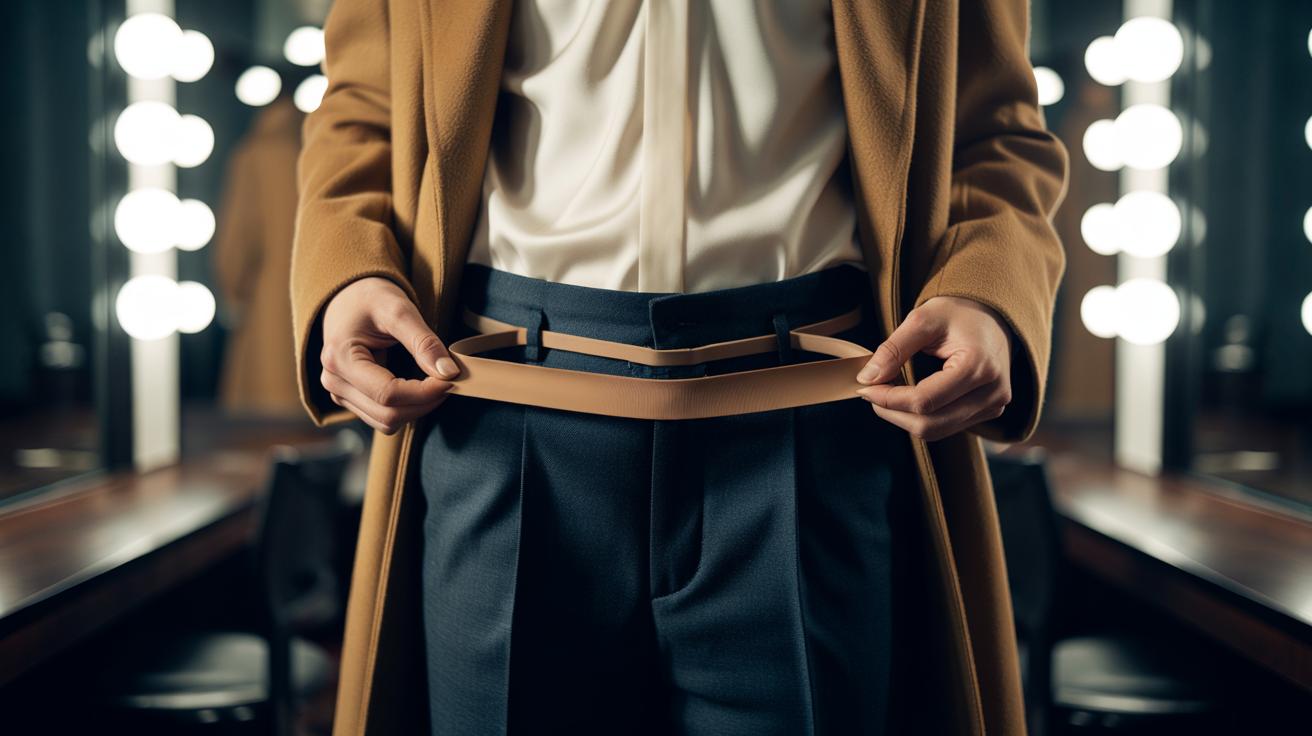
The beauty of a rubber band fix lies in tension. Elastic creates just enough pull to cinch fabric, hold layers in place, and mimic the control of a stitch—yet with instant reversibility. Loop it around a belt loop to tighten a waist, twist it through a buttonhole to replace a missing button, or anchor it beneath a hem to stop flapping. No sewing kit required. Because the band grips without bulky hardware, it vanishes under jackets, waistbands, and cuffs, protecting your silhouette and saving precious minutes before a meeting or the morning train.
Not all elastics are equal. A thin postal band is discreet; a soft hair tie is kinder to delicate fabrics; a thicker band offers superior hold for denim or outerwear. The trick is to use the band as a hidden anchor: create a small “handle” in the fabric, wrap the band to generate friction, then tuck the knot out of sight. Done right, the result is stable, comfortable, and invisible. Wardrobe malfunction neutralised. Confidence restored.
Fast Fixes for Common Clothing Slips
Some emergencies want improvisation; others have a playbook. A rubber band covers both. Waist too loose? Bridge two belt loops and pull. Hem unravelled on the Tube platform? Double-loop the band around the inside fold to stop the fray spreading. A blouse gapes? Hook a band through the buttonhole and loop it round the neighbouring button for instant coverage. These are thirty-second repairs with newsroom reliability. They hold through a press conference, a commute, even a quick dash in the rain, buying time until a tailor—or a calm evening—does the permanent work.
Think of it as a modular fix kit that hides in a wallet or makeup bag. The method is simple: identify an anchor point that won’t show, loop the elastic to add resistance, and conceal the twist inside a fold, seam, or placket. Even heavy knits behave when you give them a flexible tether. Below, the essentials at a glance.
| Problem | Anchor Point | Steps | Time |
|---|---|---|---|
| Loose waistband | Belt loops at back | Link loops with band, twist twice, tuck | 20 sec |
| Missing button | Buttonhole | Thread band through hole, loop over intact button | 15 sec |
| Falling hem | Inner hem fold | Roll fold, double-wrap band, hide inside | 30 sec |
| Baggy cuffs | Wrist seam | Wrap band, fold cuff over to conceal | 25 sec |
| Slipping neckline | Bra strap | Join strap to top’s inner loop with band | 20 sec |
The Technique: Wraps, Knots, and Hidden Tucks
A quick wrap works because it creates friction and a neat bit of engineering. Start by choosing a hidden spot—inside a placket, under a waistband, or beneath a collar. Form a tiny pinch of fabric to act as a nub, then wrap the rubber band around this nub two or three times. The last loop should slide under a seam or fold so the elastic disappears. Always keep the mechanism invisible. For trousers, link belt loops and cinch; for blouses, extend a button’s reach by looping the band between hole and button; for coats, gather the lining at the waist and tie off behind the centre seam.
Comfort matters. If the pull feels sharp, add a second wrap to distribute pressure or switch to a soft hair tie. A micro tissue square under the band prevents imprinting on silk or satin. Colour matters too. Neutral bands vanish; black disappears under knitwear; clear elastics hide under sheers. Field test the fix: sit, stand, reach. If it holds through those motions, it will likely survive a busy day from boardroom to bus. Make it secure, then make it invisible.
When to Use It—and When Not To
There are limits. Fine silk, loosely woven cashmere, and some coated fabrics can mark easily; use a padded hair tie or skip the hack. Avoid visible points on minimalist tailoring where a ripple ruins the line. On valuable vintage pieces, err on the side of protection: place a small fabric scrap between band and garment. That said, for high-street denim, raincoats, school uniforms, gym kits, and most shirts, this is a robust first responder. Test the tension before you move. If you hear a snap or see drag lines, reset and redistribute the load.
Safety and durability matter too. Perishables perish—old elastics crack—so replace bands you’ve kept in warm cars or sunny windowsills. Carry a couple of sizes: slim for shirts, medium for trousers, hair ties for delicate knits. In interviews, shoots, and council chambers, I’ve seen this fix calm nerves as much as fabric. It buys time. It returns control. And when the cameras roll, it’s blissfully invisible. That’s the point of any great fashion rescue: discreet, decisive, done.
In a pinch, the rubber band is a stylist, tailor, and stagehand rolled into one. It restores shape without scissors, works on the go, and keeps you presentable when minutes—or nerves—are short. Stability breeds confidence, and confidence reads well in any room. Keep two bands in your wallet, two in your desk, and a softer hair tie in your coat pocket, and you’ll never fear a popped button or wandering hem again. Which outfit in your wardrobe would benefit most from a fast, invisible fix like this—and where will you stash your emergency band for the next near-miss?
Did you like it?4.5/5 (22)