In a nutshell
- 🌬️ The simplest, scientist-endorsed method is source control plus daily ventilation, which quickly lowers VOCs, PM2.5, and CO2 without costly gadgets.
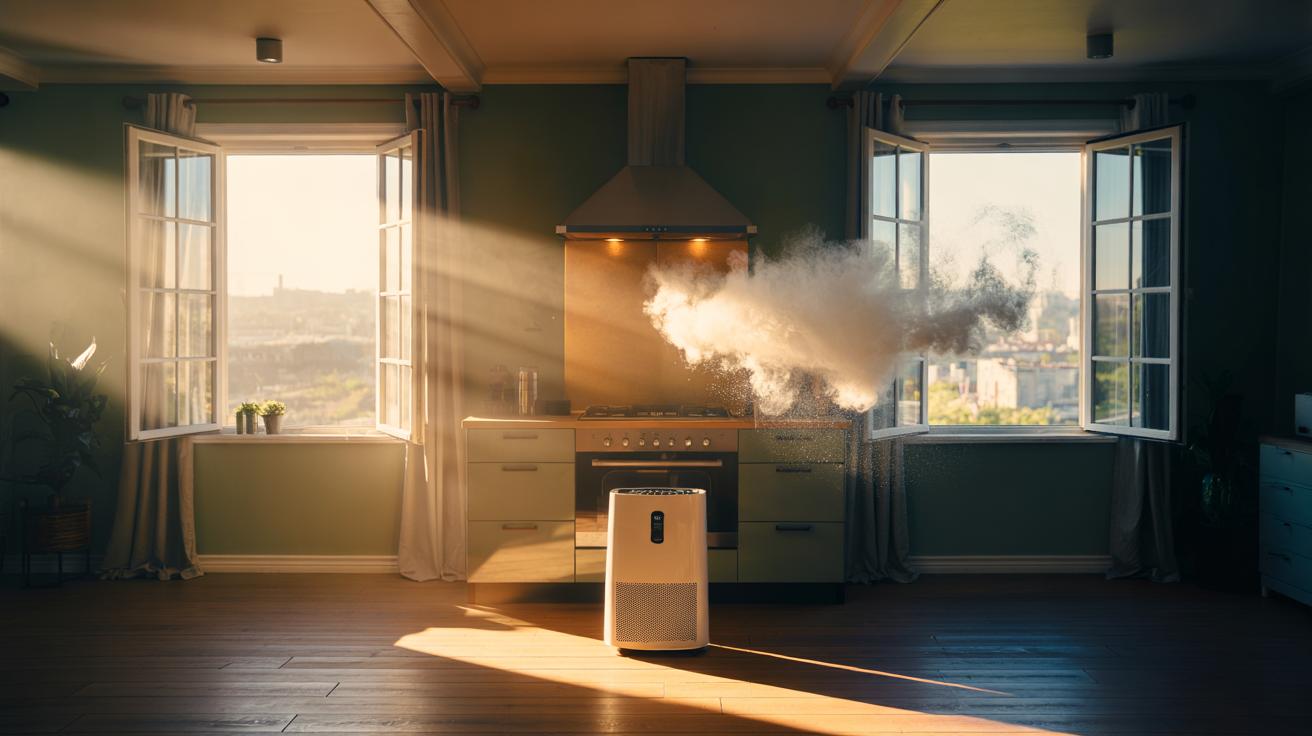
- 🪟 Do a 10–20 minute cross-breeze using opposite windows (and extractors while cooking); if outdoor air is poor, pause the purge and rely on HEPA indoors.
- 🧼 Stack small habits: choose low-VOC cleaners and paints, vacuum with a HEPA unit, keep humidity ~40–50%, run bathroom fans, and service gas hobs/boilers.
- 🌀 Add filtration when outside air is worse: pick a unit with adequate CADR, shut windows while it runs, and avoid ozone/ion generators; remember filtration complements rather than replaces ventilation.
- 🫁 The payoff: fresher-smelling rooms, fewer irritants and allergens, and healthier breathing achieved through low-effort, low-cost routines grounded in environmental science.
Walk into any home and you can smell the story of its air: last night’s frying, today’s cleaning spray, the quiet hum of a boiler. Environmental scientists agree on something refreshingly unfashionable. The simplest way to detoxify that mixed atmosphere isn’t an expensive gadget or a miracle plant. It’s source control plus a short, daily burst of ventilation. Open the windows. Let stale indoor air out and fresher outdoor air in. Do it right and you cut VOCs, PM2.5, and carbon dioxide without fuss, faff, or big bills. This is the habit that turns a stuffy house into a breathing one.
Why Ventilation Beats Gadgets for Everyday Detox
For all the sleek air purifiers on the market, most environmental health researchers still prioritise two no-cost strategies: remove the source and dilute what remains. Indoor air is typically two to five times more polluted than outdoor air, a mix of cooking smoke, cleaning VOCs, mould spores, and microscopic particles. Airflows move those pollutants out. The shortest route to cleaner air is to stop emissions at source and create a cross-breeze. You won’t capture every particle, but you’ll reduce concentrations quickly, cheaply, and consistently. It’s practical in flats and houses alike, and it doesn’t require you to learn a new device or replace costly filters every quarter.
Scientists also caution against silver bullets. Houseplants look virtuous, but in normal rooms they don’t scrub air at a meaningful rate. Scented candles and plug-ins often add pollutants. The humble window, used with purpose, does the heavy lifting—especially after cooking, showering, or painting.
How to Do a 15-Minute Fresh-Air Purge
The technique is simple. Pick two openings on opposite sides of your home—ideally, upwind and downwind. Open them wide to create a cross-breeze. Doors can help channel the flow. For flats without opposite windows, open the main window and the front door to the corridor briefly, or use two windows in different rooms. Aim for 10–20 minutes. Colder days work faster because warm indoor air rises and pulls in fresh air. Yes, you will lose a little heat, but the quick exchange means energy loss is modest compared with the health and comfort gains.
Time matters. Vent immediately after high-emission moments: pan-frying, oven cleaning, strong sprays, DIY with solvent-based paints. Use your kitchen extractor on ducted mode if available; crack a window while it runs. If outdoor air is poor—bonfire night, rush hour on a busy road, wildfire smoke—skip the purge and rely on HEPA filtration until levels drop. Otherwise, a daily purge becomes the rhythm that keeps pollutants in check.
Small Habits That Multiply the Effect
The purge is the anchor. Layer small habits and the gains stack up. Switch to fragrance-free, low-VOC cleaning products and paints; read labels for “low odour” and third-party certifications. Use lids while cooking to cut oil aerosols. Run the bathroom fan for 20 minutes after showers to push moisture out; keep indoor humidity around 40–50% to discourage mould. Vacuum with a HEPA-equipped machine twice a week, and park a sturdy doormat by the door so grit and tyre dust stay outside. Don’t smoke indoors. Check gas hobs and boilers are serviced; combustion by-products are not housemates you want. Small corrections add up to big, breathable rooms.
| Action | Effort | Cost | Main Pollutants Reduced |
|---|---|---|---|
| 15-minute cross-breeze | Low | Free | VOCs, CO2, odours |
| Use extractor fans | Low | Low | Moisture, PM2.5 |
| HEPA vacuum weekly | Medium | Medium | Dust, allergens |
| Low-VOC products | Low | Low–Medium | VOCs |
When You Should Add Filtration—and When You Shouldn’t
Filtration shines when the air coming from outside is worse than the air inside. During traffic spikes, nearby building works, Saharan dust episodes, or wildfire smoke, a portable unit with true HEPA media makes sense. Choose a model with a CADR that matches your room size; close windows and run it on a middle setting for a tolerable balance of noise and performance. Replace filters on schedule. In bedrooms, it can be transformative for sleep quality by lowering overnight particles and allergens. Use filtration as a complement, not a crutch.
When not to bother? If your main burden is chemical odours from fresh paint or cleaning, first ventilate and switch products. Charcoal filters can adsorb some gases, but they saturate quickly. And while “ions” and “ozone” sound scientific, ozone generators are a red flag. The clean-air hierarchy remains clear: eliminate sources, ventilate, then filter when conditions demand it.
Your home doesn’t need a laboratory overhaul to breathe easier. It needs a ritual. The daily fresh-air purge, anchored to cooking and cleaning, is the simplest, scientist-backed way to reduce pollutants fast. Add low-VOC products, extractor fans, and a HEPA vacuum, and you’ve built an indoor climate that feels lighter, smells fresher, and treats lungs kindly. On bad-air days, bring in filtration and bide your time. The method is humble, but its impact is tangible. Will you try turning the handle, letting a brisk cross-breeze do the work, and see how your rooms feel after a week?
Did you like it?4.7/5 (26)