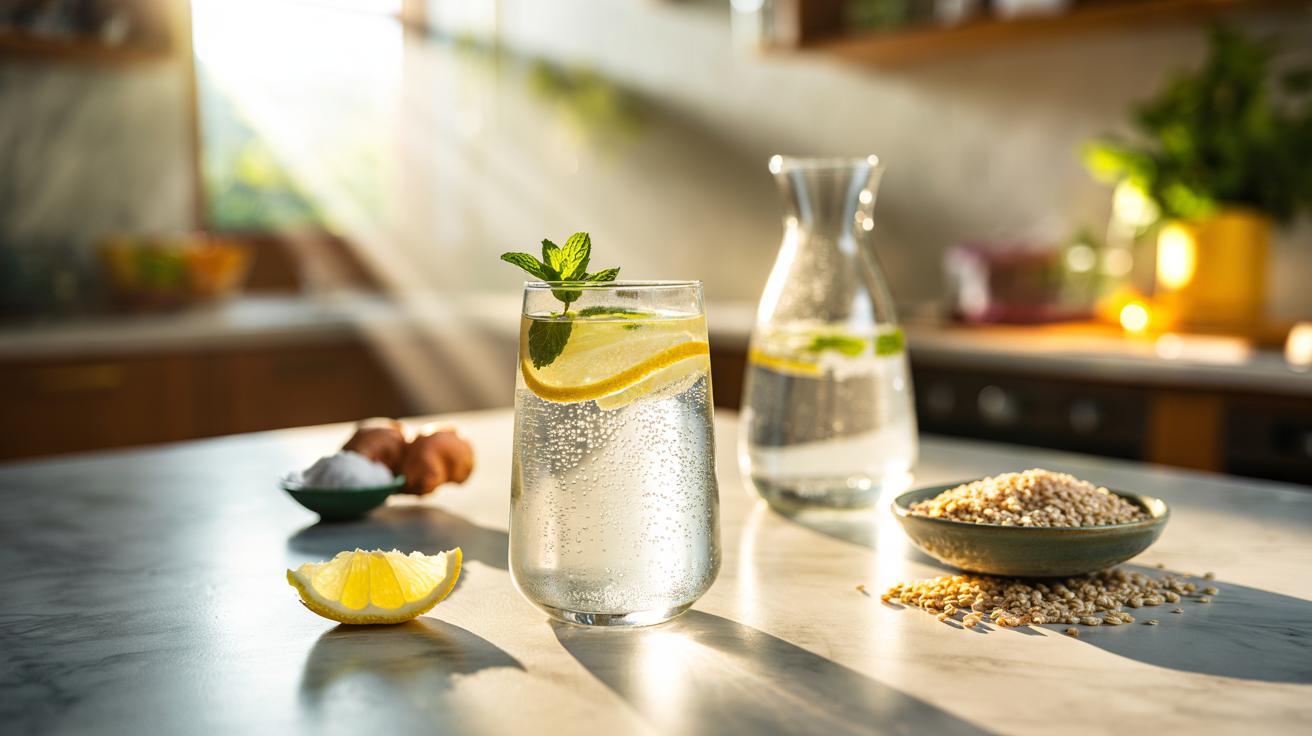
In a nutshell
- 🥤 Barley water is a gut-friendly summer staple: soluble fibre beta-glucan acts as a prebiotic, supporting smoother digestion with minimal sugar.
- 💧 Strong on hydration: helps fluid balance in heat; serve chilled (not over-iced) in 200–250 ml portions, 1–2 times daily.
- 🍋 Easy method, clean flavour: simmer rinsed barley, strain, chill; infuse lemon peel, mint, or ginger; sweeten lightly or go savoury with a pinch of salt and cumin.
- 🧪 Backed by nutritionists: beta-glucan may steady digestion and post-meal spikes; a practical, low-cost, food-first option.
- ⚠️ Smart cautions: contains gluten (avoid with coeliac), start small if IBS-prone, keep sugars low, and space from meds that interact with fibre.
Summer calls for something cold, crisp, and kind to the stomach. Step forward barley water, the quietly brilliant quencher your gran might remember and your nutritionist may already be recommending. Unlike fizzy drinks and heavy smoothies, this pale, straw-coloured infusion is light, gently flavoured, and rich in prebiotic potential. Its soluble fibre, especially beta-glucan, supports a thriving gut ecosystem while the fluid itself tops up hydration. Here’s the surprise: a drink with centuries of tradition is exactly the modern digestive ally we need. From clinics to kitchen counters, UK dietitians are giving barley water a fresh moment in the sun—and for good reasons.
What Makes Barley Water a Gut-Friendly Summer Staple
Barley water starts simple: whole barley simmered, strained, and chilled. That simplicity is deceptive. The soluble fibre it releases—particularly beta-glucan—acts as a gentle prebiotic, feeding beneficial microbes that produce short-chain fatty acids linked to a calmer, more resilient gut. The liquid is easy on digestion compared with heavy shakes or acidic juices. It hydrates, helps maintain electrolyte balance when lightly salted, and won’t swamp your stomach on a hot afternoon. The result is a drink that supports digestion without demanding attention from it.
There’s another edge. Barley water is low in acidity and naturally low in sugar when you keep sweetening to a minimum, lowering the risk of reflux rattles or post-lunch energy dips. A whisper of lemon, mint, or a coin of ginger adds flavour and functional benefits—citrus for freshness, mint for cooling, ginger for gut comfort—without turning the glass into a dessert. Because the base is mostly water, it provides volume and satisfaction with very few calories. Hydration, a stable gut environment, and a calmer appetite—this trifecta is why many UK nutritionists approve it for summer.
How to Brew It Right (and Make It Taste Good)
Start with 80–100 g of pearl barley, rinsed until the water runs clear. Simmer it in 1.5 litres of water for 25–35 minutes until the grains are tender and the liquid turns slightly opaque. Strain, cool quickly, and chill. For flavour, add lemon peel, a few mint stalks, and a thin slice of fresh ginger while it cools; remove before refrigerating. Sweeten, if you must, with a teaspoon of runny honey or a zero-calorie sweetener, not spoonfuls of sugar. Clarity matters: keep it light, clean, and refreshing.
Season the savoury way if you prefer: a tiny pinch of sea salt and a dusting of roasted cumin bring a lassi-like vibe that’s brilliant with lunch. Aim for 200–250 ml per serving, one to two glasses a day. Drink it cold, not ice-blast freezing, to avoid abdominal cramping. Pair with meals rather than gulping on an empty stomach to make the most of its fibre and gentle prebiotic effect. Store in the fridge and finish within 48 hours for best flavour. If waste bothers you, refrigerate the cooked barley for salads or soups—it’s pleasantly nutty and satisfying.
What Nutritionists Say: Evidence, Benefits, and Cautions
Dietitians tend to highlight three pillars: fibre-driven gut support, hydration, and cardiometabolic bonuses. Research on beta-glucan shows it can form a viscous gel that slows gastric emptying and carbohydrate absorption, easing post-meal spikes while encouraging a steadier digestive rhythm. The fluid helps replenish losses on hot days, especially with a light pinch of salt and a squeeze of citrus. Meanwhile, prebiotic activity nourishes beneficial microbes; over time, that can mean fewer bloating flare-ups and more regularity for many people. It’s a pragmatic, food-first way to support digestion without the price tag of trendy elixirs.
| Component | Digestive Benefit | Practical Tip |
|---|---|---|
| Beta-glucan (soluble fibre) | Feeds gut microbes; supports regularity | Keep sweetening low to preserve fibre’s effect |
| Hydration + electrolytes | Replaces fluids; reduces heat-related GI stress | Add a small pinch of salt and lemon |
| Ginger/mint add-ins | May ease nausea and soothe the gut | Infuse while cooling, then remove |
| Serving temperature | Cool helps comfort; too cold may cramp | Chill, don’t over-ice |
| Portion control | Prevents bloating from overdoing fibre | 200–250 ml, 1–2 times daily |
Cautions exist. Barley contains gluten, so it’s off-limits for coeliac disease and unsuitable for strict gluten avoidance. Those with very sensitive IBS may need to start with smaller portions to assess tolerance. Space it at least an hour away from medicines that interact with fibre, and skip sugar-heavy recipes that defeat its purpose. If you’re unsure, check with a registered dietitian. Done right, this is an accessible, low-cost staple with a high return.
Barley water won’t shout for attention. It just works in the background, quietly helping your gut while keeping you cool and clear-headed. It’s thrifty, sustainable, and adaptable—sweet or savoury, citrus-lifted or herb-bright. In a season of excess, restraint tastes surprisingly good. If your digestion needs a softer touch this summer, give this classic a fair trial for a week and watch for subtle changes—less bloat, more comfort, better hydration. Will you swap one daily soft drink for a chilled glass of barley water and see what your gut says back?
Did you like it?4.4/5 (20)