In a nutshell
- 💡 The single switch: replace standard LEDs with warm-dim (dim-to-warm) bulbs on a quality trailing-edge dimmer to shift from 2700K toward ~2200K and create instant, candlelike romance.
- 🔥 Why it works: warmth and gentle shadow lower alertness, flatter skin, and focus attention on people; romance is about layers, not darkness.
- 🛠️ Do it tonight: prioritise living, dining, and bedrooms; choose CRI 90+ dim-to-warm bulbs with an LED-compatible dimmer; keep light sources low, bounce off walls/ceilings, and aim for soft, indirect glow (often under £40).
- ⚠️ Pitfalls to avoid: don’t mix colour temperatures in one sightline, skip cool-white evening presets, use shades to diffuse hotspots, cut glare—and let one candle add theatre while LEDs do the heavy lifting.
- 📏 Quick targets: Living 2200–2400K at 30–70 lux; Dining 2200K at 50–100 lux; Bedroom 2000–2200K at 10–30 lux. Formula: warm-dim bulbs + proper dimmer.
Romance is rarely about adding more things; it’s about subtracting the harshness. Interior experts keep returning to one deceptively simple fix: change the light. Swap cold, bright glare for a warm-dim glow and everything softens — faces, colours, even voices. The room relaxes. You do too. This isn’t a pricey renovation. It’s a bulb and a dimmer, chosen well and used thoughtfully. Lower the colour temperature and you’ll feel the shift within seconds. Think candlelight without the fuss, amber without the orange cast, definition without the shadows that make a space feel small. Here’s how that one tweak unlocks instant intimacy, and the practical steps to nail it tonight.
The One Change: Warm-Dim Bulbs on a Simple Dimmer
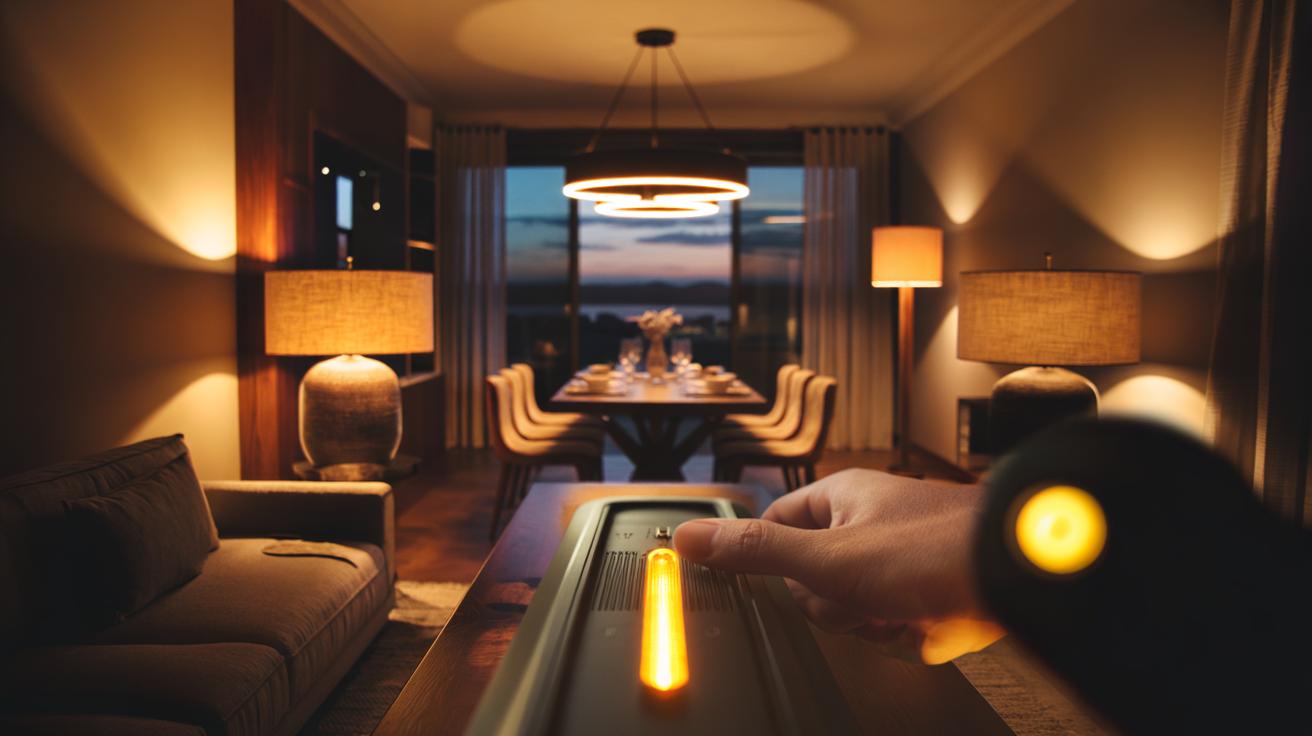
The fastest route to a romantic atmosphere is to replace standard LED bulbs with dim-to-warm LEDs and put them on a quality trailing-edge dimmer. When you dim these bulbs, the colour temperature drops from around 2700K towards 2200K, mimicking real candlelight. Ordinary LEDs just get darker; warm-dim LEDs get darker and warmer. That’s the magic. Dim the warmth, not just the watts. Skin tones look healthier, timber and textiles feel richer, and glossy surfaces stop throwing back a chilly, clinical sheen.
Interior designers love this because it’s controllable, repeatable, and inexpensive. Swap living-room lamps first, then the dining table pendant. Keep the kitchen task lights bright and neutral for cooking, but let the social zones soak in amber. A decent pair of bulbs and a compatible dimmer can come in under £40, a cost that punches far above its weight in ambience. Choose bulbs with CRI 90+ for faithful colour, and ensure the packaging says “warm dim,” “dim-to-warm,” or lists a range such as 2000–2700K. Pair with a quiet, flicker-free dimmer, and you’ve got instant romance at your fingertips.
One more tweak that feels luxurious: use lampshades and indirect light. Point a floor lamp into a wall or a pale ceiling so the glow bounces back, wider and softer. Direct beams feel interrogative; bounced light feels like a embrace. That small shift transforms how the whole room reads.
Why Warmth and Shadow Read as Romantic
There’s science behind the seduction. Our eyes read warm, low-level light as dusk. That signals ease. Cortisol dips, breathing steadies, conversation slows. In cool, bright light the brain stays alert; in warm light it unwinds. Candlelight sits around 1800–2000K. Warm-dim LEDs at 2200K live in the same family, delivering that amber tint without smoke or mess. Faces benefit most: red wavelengths flatter skin, masking blemishes and softening texture. Hard overhead light does the opposite, carving shadows under eyes and sharpening edges.
Contrast matters too. Romance isn’t about darkness; it’s about layers. A gentle pool of light next to a sofa. A halo on a painting. A dimmed pendant over the table, just enough to make glassware sparkle. The edges of the room fall away, and attention lands where it should: the person across from you. Lower light equals higher focus on people. Designers talk about “modelling” — how light shapes forms. Warmer, lower levels model faces softly, so everything feels more tactile and human.
Finally, sound and colour change with light. Softer light dampens the visual noise of clutter, making spaces feel calmer and more deliberate. Woods warm up, metals glow, and textiles look deeper. It’s a subtle psychological cue: this is time for connection, not tasks. Keep the tech-blue glow at bay, reduce pin-sharp highlights, and let shadows do a little work. That’s the shorthand for intimacy.
How to Implement It Tonight: Bulbs, Dimmers, and Placement
Start with the fittings you actually use in the evening: side lamps, dining pendants, bedside lights. Buy dim-to-warm LEDs with CRI 90+. Check your current switch; most older dimmers don’t play well with LEDs. A trailing-edge or “LED-compatible” dimmer prevents buzz and flicker. Then layer the light: one low lamp for ambiance, one accent for sparkle, one task light dimmed down. Keep sources below eye level where possible and avoid bare bulbs.
| Room | Target CCT (Dimmed) | Ideal Lux for Romance | Suggested Dimmer |
|---|---|---|---|
| Living Room | 2200–2400K | 30–70 lux | Trailing-edge LED |
| Dining Area | 2200K | 50–100 lux | Trailing-edge or smart dimmer |
| Bedroom | 2000–2200K | 10–30 lux | Soft-start LED dimmer |
A few expert cautions. Don’t mix wildly different colour temperatures in the same sightline; that’s visual noise. Avoid cool-white smart presets for evening scenes — set a warm, low recipe and save it. If your bulb won’t warm as it dims, you’ll get a grey, tired look instead of a golden one. Swap it. Use fabric or frosted glass shades to diffuse hotspots. Bounce light off walls to widen the glow. And keep reflective surfaces in check: a dimmer on that mirror-front cabinet stops glare dead.
Want fragrance and flicker without fuss? Add one candle and keep the rest electric. Let the LEDs do the heavy lifting and the candle supply the theatre. The combination feels authentic and is dead simple to control. In most homes, that’s all it takes.
Romance isn’t mysterious once you control the light. Tame the temperature, lower the level, and aim the glow where people are, not the ceiling. The pay-off is immediate: kinder faces, calmer rooms, slower evenings. And it’s reversible at a touch, so weekday tasks and weekend tenderness can share the same space. Warm-dim bulbs plus a proper dimmer. That’s the formula. What room will you transform first, and how low — and warm — will you dare to go?
Did you like it?4.6/5 (24)