In a nutshell
- 🍝 Ten-minute method: wide shallow pan, kettle-boiled water 3–4 cm, stir early, lid on; pull pasta 60–90 sec early and finish in the sauce for glossy, al dente results.
- 🧂 Seasoning and ratios: about 1% salt (10–12 g/L); reserve 150–250 ml starchy water at minute 3–4 to power emulsification.
- 🔥 Pan, heat, and motion: prioritize surface area over brute heat; separate strands gently; adjust with splashes of pasta water to maintain a satiny emulsion.
- 🍅 Sauce synchronization: build simple base (oil/butter, aromatics), deglaze with pasta water; add cheese off the heat; balance with acid, herbs, and finishing fat for sheen.
- 📊 Quick reference: salt, water depth (3–4 cm), starchy water volume, and early pull timings—small controls that deliver restaurant-style texture every time.
Britain loves pasta. But too often weeknight bowls slip from silky to stodgy in a heartbeat. Leading chefs from Milan to Mayfair insist the fix isn’t complicated or cheffy. It’s timing, proportion, and heat management, executed with calm speed. Here’s the headline: you can land perfect, restaurant-level pasta in 10 minutes. No corners cut. No mystery either. Use a wide pan, less water, the right salt, and finish the pasta in its sauce for a glossy, clinging coat. Along the way, protect the starch you need for body. Lose the rest. The result? Al dente bite, shine, and depth every single time.
The Ten-Minute Method, Demystified
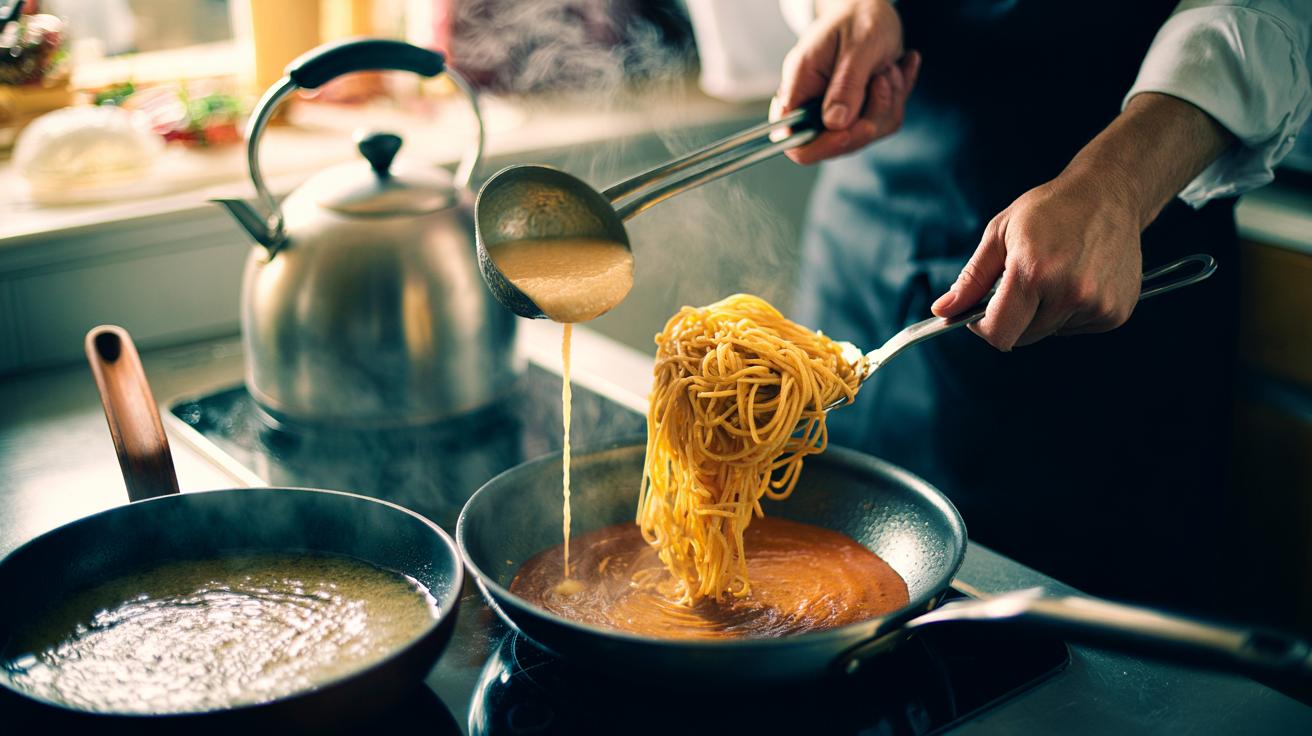
Set a large, wide pan over high heat and click on the kettle. The clock starts when the water goes on. Pour the boiling water into the pan so it reaches 3–4 cm depth, enough to let pasta move but shallow enough to heat fast. Salt immediately to around 1% by weight—about 10 g per litre—so the pasta season from within. Drop in dried pasta and stir for the first 30 seconds to prevent clumping. Lid on, hard simmer, vigorous bubbles. You’re building speed with surface area, not brute force.
While it cooks (6–8 minutes for most shapes), start the sauce in a second pan: olive oil or butter, aromatics, and a ladle of starchy water. When the pasta is just shy of done, transfer it to the sauce with a splash of its cooking liquid. Now agitate—toss or whisk—so the starch, fat, and liquid form a stable emulsion. Finish the final minute in the sauce, not the water. Off the heat, adjust with more liquid, then fold in cheese or extra-virgin oil. Serve immediately.
Water, Salt, and Starch: The Science That Matters
Chefs agree the win lives in the liquid. Less water concentrates amylose and amylopectin from the pasta, which in turn powers a thick, glossy emulsion. Too much water dilutes that precious starch; too little impedes movement and leads to stickiness. The sweet spot is a wide skillet with shallow depth, rolling simmer, and frequent motion. Seasoning matters too: under-salted water equals flat pasta, no matter how brilliant the sauce. Aim for 1–1.2% salt by weight; taste should read like a well-seasoned broth, not seawater. Keep a heatproof cup beside you and reserve liquid early, before it becomes cloudy with broken starch.
| Element | Chef Benchmark | Fast-Track Tip |
|---|---|---|
| Salt | 10–12 g per litre (1–1.2%) | Dissolve fully before pasta goes in |
| Water Depth | 3–4 cm in a wide pan | Boil in a kettle, then pour |
| Starchy Water | 150–250 ml reserved | Scoop at the 3–4 minute mark |
| Doneness | Pull 60–90 sec early | Finish in the sauce |
With these ratios, starch becomes an ally, knitting fat and liquid into a clingy glaze. That’s the restaurant look. That’s control.
Pan, Heat, and Motion: How Chefs Control Texture
Heat is a tool, not a blunt force. A high-output flame is useful, but a wide contact area is the real edge. In professional kitchens, chefs choose sauté pans that spread heat quickly, keeping the simmer aggressive without turbulence that breaks pasta. Stir early and often. Then, less. Motion should separate strands, not batter them. For shapes like spaghetti, use tongs to lift and fold, letting water drain back and refresh the boil. For short shapes, a firm wooden spoon and occasional pan shakes keep edges from catching.
When transferring to the sauce, drop the heat to medium. Add 60–120 ml of starchy water, then toss or stir briskly until the sauce turns from shiny-wet to satiny. That visual shift signals emulsification. If it tightens too much, loosen with another spoon of liquid. If it refuses to bind, add a teaspoon of butter or oil and whisk rapidly. Texture leads; timing follows. Pull the pan as soon as the pasta springs gently to the bite, because carryover heat completes the last few seconds.
Sauce in Sync: Timing, Emulsification, and Killer Finishes
The best chefs don’t make sauce and then add pasta; they make a sauce that welcomes pasta’s starch. Start simple: oil or butter, garlic or shallot, maybe chilli. Deglaze with a ladle of the pasta water for a savoury backbone. When the pasta arrives, it brings starch that grips fat and aromatics, forming a coherent whole. Add cheese off the heat—Parmigiano Reggiano, Pecorino, or Grana—so proteins don’t seize. Whisk or toss vigorously to weave it through. Cheese prefers warmth, not boiling.
For cream sauces, reduce cream separately to coat a spoon, then thin with starchy water after tossing the pasta in. Tomato-based? Simmer to sweeten acidity, then fold in oil right at the end for sheen. For seafood, keep the pan barely simmering so delicate proteins stay tender. Finish with texture and contrast: toasted crumbs, lemon zest, fresh herbs. A final teaspoon of oil or knob of butter gives that professional gloss. Taste for salt and balance. Brighten with acid if it feels heavy. Serve in warm bowls. Eat immediately.
In ten minutes, you’ve moved from guesswork to blueprint. Fast boiling from a kettle, smart salt, starchy water discipline, and a calm finish in the sauce—these are the chef’s levers. Perfect pasta isn’t a secret, it’s a sequence. The beauty is its flexibility: swap sauces, change shapes, keep the method. The result stays consistent. Your weeknights just got tastier, cheaper, and quicker. What will you cook first—silky cacio e pepe, a peppery arrabbiata, or a lemony prawn linguine with a whisper of chilli?
Did you like it?4.4/5 (23)