In a nutshell
- 🏺 Vintage remedies offer simplicity, control, and affordability, tapping family traditions and rituals that soothe the nervous system and reduce perceived symptoms.
- 🧪 A core set is evidence-backed: honey for coughs, ginger for nausea, oats for itchy skin, prunes for constipation, saline for congestion, and vinegar to blunt glucose spikes—each with clear use-cases and cautions.
- 🧠 They work through biology, behaviour, and belief: gentle physiological effects combined with calming routines and expectation shape comfort and recovery for minor ailments.
- ⚠️ Know the limits and safety rules: seek medical help for red-flag symptoms, watch interactions (e.g., ginger with anticoagulants), avoid honey in infants, and maintain hygiene with nasal rinses.
- ✅ Use them as a first rung in self-care: track what helps, share responsibly, and collaborate with your GP to reduce unnecessary strain on modern services while safeguarding health.
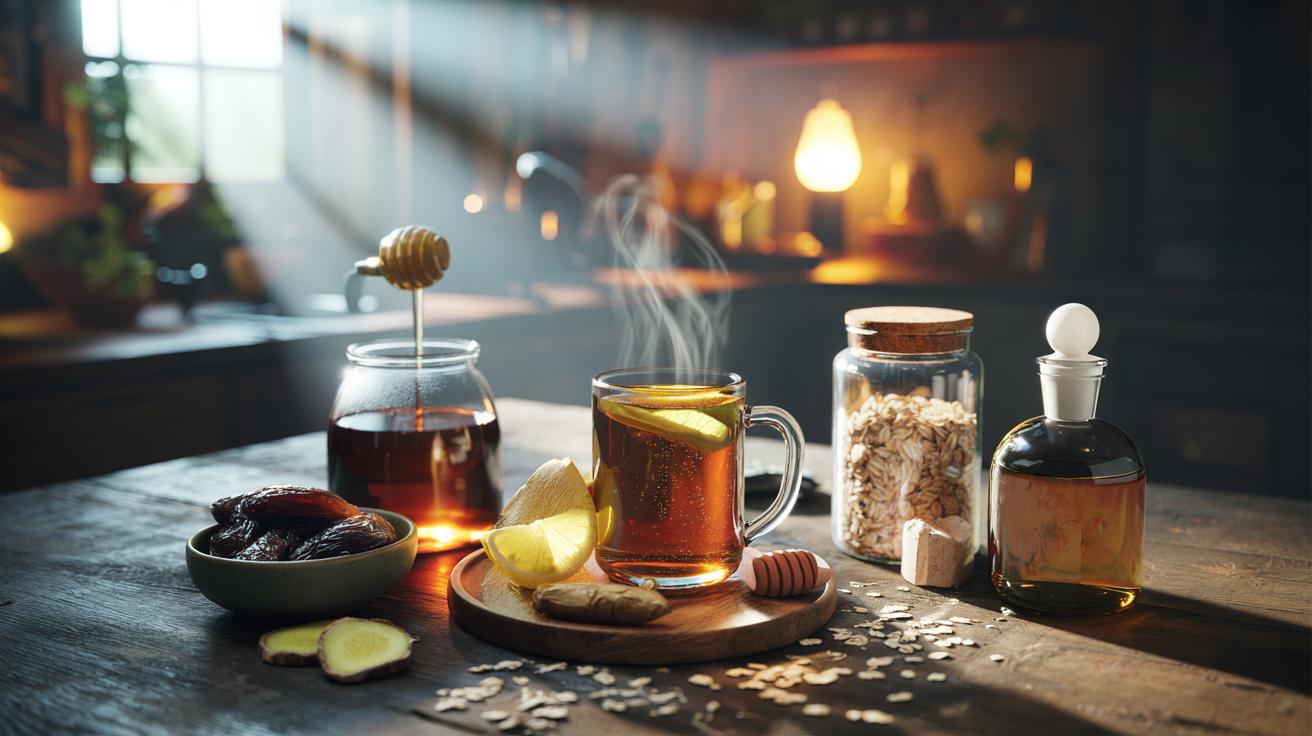
In a nation juggling waiting lists and a cost-of-living crunch, a quiet shift is underway at the kitchen table. People are rediscovering vintage remedies not as quaint nostalgia, but as practical tools for everyday health. A spoon of honey for a scratchy throat. A bowl of porridge to soothe the skin from within. Ginger for queasiness before the commute. These are low-tech, low-cost, and surprisingly well studied. They don’t replace a GP, but they help many of us cope with the minor niggles that sap energy and time. The real story is about control, culture, and evidence coming full circle.
The Allure of Simplicity and Control
We crave agency. When your day is hijacked by a mild cough, a restless night, or a stubborn bout of bloating, a remedy you can prepare in minutes offers reassurance. No waiting room. No jargon. Just ingredients you recognise. That immediacy matters when the goal is relief, not a diagnosis. For many, these practices also reconnect us with family memory: a grandparent’s tip passed down with love, now validated by a study you saw in the news. The cultural texture is soothing in its own right, signalling safety and care. And, crucially, the price is right — a cupboard staple beats a pricey over-the-counter cocktail.
There’s also a side-effect calculus at play. Modern medicines are essential, yet for modest symptoms they can feel like a sledgehammer. People reach for remedies with fewer risks and a familiar flavour profile, especially for children or during travel. The rituals help. Stirring, steeping, breathing in the steam — all calm the nervous system, which can change how pain, itch, and nausea are perceived. Digital communities amplify the trend, but the backbone is old-fashioned pragmatism: if the remedy is safe, affordable, and tailored to the body’s everyday grumbles, it earns a permanent spot next to the kettle.
Pantry Pharmacy: Old Staples With New Evidence
Not all vintage cures survive scrutiny. Some do, and impressively so. Consider honey for night-time coughs in children, ginger for nausea, oats for itchy skin, prunes for sluggish bowels, simple saline for nasal congestion, and a splash of vinegar at meals to soften post-lunch energy dips. These aren’t silver bullets; they’re small levers that nudge the body back to balance. The table below sketches what the evidence and cautions look like in practice, showing why some classics are thriving alongside modern care, not against it.
| Remedy | Traditional Use | Present Evidence | Risks/Notes | How Used Today |
|---|---|---|---|---|
| Honey | Cough, sore throat | Supports cough relief in children; wound care properties | Not for infants under one year | Night-time soothing, warm drinks |
| Ginger | Nausea, motion sickness | Evidence for mild nausea reduction | Can interact with anticoagulants | Teas, cooking, lozenges |
| Oats | Skin itch, irritation | Colloidal oatmeal eases itch, supports barrier | Check for oat allergy | Bath soaks, emollients |
| Prunes | Constipation | Fibre and sorbitol stimulate bowel movements | Gas or bloating in some | Breakfasts, snacks |
| Saline Rinse | Blocked nose | Helps clear mucus and reduce congestion | Use clean/sterile water; device hygiene | Nasal irrigation |
| Vinegar | After-meal sluggishness | May blunt glucose spikes | Acidic; protect teeth, stomach | Dressings with meals |
Evidence varies by person and context. But the pattern is clear: when a remedy is safe, accessible, and backed by plausible mechanisms — antimicrobial action for honey, gut motility effects for prunes, barrier support from oats — it earns public trust. Pair that with the sensory comfort of warm liquids, simple flavours, and a predictable routine, and you have the definition of sustainable self-care.
Why They Work: Biology, Behaviour, and Belief
The human body loves gentle nudges. Biology offers several: the phenolics in ginger interact with serotonin pathways tied to nausea; the viscous matrix of honey coats irritated throats while its enzyme-derived hydrogen peroxide adds mild antimicrobial punch; soluble fibre from prunes feeds gut microbes that produce short-chain fatty acids, which in turn support bowel regularity. Oats contain beta-glucans and lipids that bolster the skin’s barrier, easing itch. None of this is magic; it’s physiology allied with patience. Small effects add up when used consistently for small problems.
Then come behaviour and belief. The act of brewing, stirring, and inhaling steam slows breathing and engages the parasympathetic nervous system. That shifts pain and nausea thresholds, improving comfort without a single pill. Expectation matters too: if you trust a remedy, you pay attention to the body’s signals and rest earlier. That’s not “just placebo”. It’s a measurable mind–body loop that modern pain science describes well. Crucially, vintage remedies invite participation rather than passive consumption, and this sense of involvement — choosing, preparing, reflecting — is itself therapeutic.
Knowing the Limits: Safety, Ethics, and When to Seek Help
Home remedies shine for minor, self-limiting issues. But there’s a bright line. Chest pain, severe breathlessness, persistent high fever, worsening rash with swelling, blood in stool, or symptoms that don’t improve within a few days need professional assessment. Interactions are real: ginger may affect blood thinners; liquorice can raise blood pressure; concentrated vinegar can irritate the oesophagus and teeth. Allergies happen. Hygiene matters for nasal rinses and any preparation touching broken skin. And honey, however wholesome, remains unsafe for infants under one due to botulism risk.
Ethically, the point is not to shun modern care but to reduce unnecessary strain on it. Keep notes on what you tried and how you felt; your GP will find that detail useful if you do need an appointment. Share remedies but not absolutes. Bodies differ. Pregnant or breastfeeding? On prescription medicines? Speak to a pharmacist for tailored advice. Use vintage wisdom as a first rung on the ladder, not the whole staircase. That way, you preserve the benefits — autonomy, affordability, comfort — without gambling with your health.
These timeworn tricks endure because they solve everyday problems with clarity and care. They are humble, human, and often evidence-aligned, offering a bridge between our kitchens and our clinics. In an era of complex medicine, small, safe interventions can still carry surprising weight. The task now is to keep curiosity alive: test what helps you, discard what doesn’t, and respect the boundary where home care ends. Which vintage remedy has earned a place in your routine — and what would you like researchers to scrutinise next?
Did you like it?4.4/5 (30)