In a nutshell
- 🌱 Eggshells are ~95% calcium carbonate; when powdered, their high surface area boosts dissolution, loosens crusts, improves infiltration, and feeds microbes for noticeable overnight soil vitality.
- ⚡ Prep fast: rinse, dry (low oven or sun), grind fine; apply as a light top-dress (about 30–50 g/m²) or brew quick shell tea for an evening drench—then water in for rapid, local benefits.
- 🧪 Smart use beats myths: shells don’t stop slugs and don’t instantly cure blossom end rot; they offer mild liming, so check pH on alkaline soils, keep layers thin, and heat-treat to reduce odours and microbes.
- 🛠️ Versatile wins: mix with coffee grounds for texture, dust seed rows, bolster tomatoes and peppers pre-flower, add a pinch to wormeries, refresh houseplants, and sieve a trace into scarified lawn patches.
- 🌿 Lasting pay-off: calcium strengthens cell walls, steadies cation exchange, aids root tips, while coarse fragments support worms—creating a free, gentle conditioner that delivers quick boosts and long-term structure.
Britain’s breakfast habit is a gardener’s secret weapon. Scatter or steep last night’s eggshells and, by morning, your beds can look brighter, drains better, and feel alive underfoot. It sounds like alchemy. It isn’t. Eggshells are packed with calcium carbonate, trace minerals, and a micro-texture that reshapes the soil surface almost instantly. Powder them fine and they act fast; leave them coarse and they keep working for months. The trick is turning scraps into a quick-release tonic without fuss, smell, or mess. Here’s how the science stacks up, which shortcuts genuinely work overnight, and where common myths crack under scrutiny.
What Makes Eggshells Instant Soil Boosters
Eggshells are roughly 95% calcium carbonate with a lattice that crumbles into a high-surface-area powder. That matters because dissolution speed is about contact: more surface, more interaction with moisture and root-zone acids. Finely ground shells change the feel and function of your top centimetre of soil within hours after rain or evening watering. You’ll notice a looser crust, less capping, and improved infiltration. The microscopic “grit” interrupts compaction, letting oxygen reach microbes that power nutrient cycling.
Calcium isn’t just about pH. It stabilises cell walls and supports root tips, helping seedlings shrug off stress. In the rhizosphere, calcium moderates cation exchange, nudging nutrients like potassium and magnesium into a friendlier balance. Raw shells are slow, yes; but micronised shells—think flour, not flakes—dissolve faster in the weak acids exuded by roots and soil life. Expect subtle overnight wins: less surface slime, fewer waterlogged patches, perkier leaves. The long game continues as coarse fragments feed worms, acting as grit in their gizzards and gradually sweetening acidic pockets without jolting the whole bed’s pH.
How To Prep and Apply Eggshells Overnight
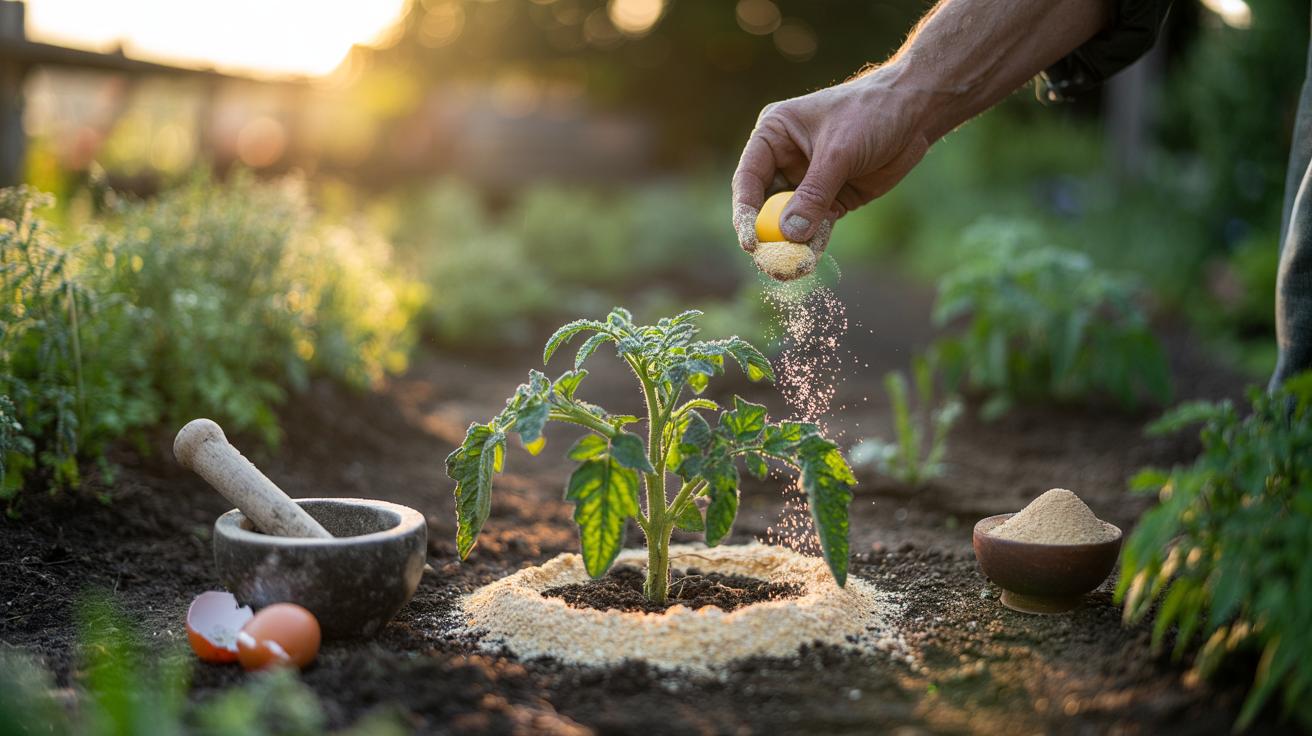
Rinse shells, then dry them. An oven set low for 10–15 minutes or air-drying on a sunny sill both work; heat also reduces odour risk. Blitz to a powder using a spice grinder, rolling pin, or mortar and pestle. Finer is faster. For a quick boost, make “shell tea”: steep two tablespoons of powdered shells in a litre of hot (not boiling) water for an hour, swirl, and use the cloudy liquid as an evening soil drench. Top-dressing? Sift a thin veil—like dusting icing sugar—around the drip line of tomatoes, peppers, roses, or brassicas. Water in well.
For containers, mix one teaspoon of powder per litre of potting mix at the surface and work it in gently. For beds, apply 30–50 g per square metre as a light broadcast, especially after rain is forecast. Combine with coffee grounds for texture and nitrogen, but keep layers thin to avoid matting. Avoid foliar sprays; calcium works best into soil, not leaves. Keep shells neutral-smelling by rinsing and drying thoroughly to discourage foxes or rodents.
| Method | Prep Time | Application Rate | Likely Effect by Morning |
|---|---|---|---|
| Powder Top-Dress | 15–20 min | 30–50 g/m² | Looser crust, better infiltration |
| Shell Tea Drench | 60 min steep | 1 L per plant base | Slight perk in turgor, reduced surface slime |
| Compost Add-In | 10 min | Small handful per 10 L | Improved structure, odour moderation |
Troubleshooting Myths, Pests, and pH
Let’s crack the big myth: eggshells alone don’t banish slugs. Coarse shards can slow them briefly, yet rain flattens the barrier. Powder helps with surface dryness but won’t replace traps or night patrols. Another misconception: shells instantly fix blossom end rot. That disorder is usually about erratic watering and calcium transport, not total calcium absence. Finely ground shells near roots can help the background supply, but your first cure is consistent moisture.
What about pH? Regular shells are mildly liming, but their effect is localised and slow unless powdered. In already alkaline soils (many chalky UK plots), go light; a soil test saves guesswork. Pests rummaging? If you toss in raw membranes, foxes and rodents may investigate, so wash and dry well. Safety matters too: heating shells reduces the risk of unwanted microbes before they hit seed trays. And avoid thick layers that clump like thatch; thin, even dustings are best. If a technique sounds miraculous overnight, assume it needs precision in grind, moisture, and placement. Think increments, not miracles, and you’ll see steady, real improvements.
From Windowsill to Beds: Creative Uses and Quick Wins
Use shells where speed meets subtlety. Dust seed rows with a whisper of powder to keep the surface friable, then water with a rose can. Stir a spoonful into the top couple of centimetres of tomato and pepper compost a week before flowering to shore up supply just as demand rises. For wormeries, a pinch of fine shell is perfect grit, supporting digestion and helping your worm castings turn out airy and sweet-smelling. In houseplants, monthly micro-doses prevent surface crusting from hard tap water and boost calcium without swinging chemistry.
Get creative with blends: a 1:1 mix of shell powder and coffee grounds makes a textured scatter that darkens the soil visually and resists crusting after summer showers. Sprinkle a trace into your bulb holes—daffodils, tulips, alliums—so spring roots meet a buffered microzone. Skip the fashionable half-shell seed pots unless you enjoy fiddly transplants; they’re shallow and slow to break. Instead, crush them thoroughly and recycle the strength. Top-dressing lawns? Sieve a tiny amount into scarified patches to ease compaction. Small moves, repeated. Overnight, you’ll feel the difference under your boots; across a season, you’ll see it in stems, bloom, and fruit set.
Turn breakfast waste into a soil habit, not a one-off stunt. Rinse, dry, powder, and place where roots actually work, then add water and let your microbes do the heavy lifting. Finer grind, thinner layer, smarter timing: that’s the overnight edge. With a jar of shell flour on the shelf, you’ve a free, gentle conditioner ready for beds, pots, and worm bins alike. Ready to put today’s shells to work before nightfall—and which corner of your garden will you test first?
Did you like it?4.5/5 (21)