In a nutshell
- 🧪 The cleaning power comes from baking soda (sodium bicarbonate) reacting with acids to release CO₂ microbubbles that mechanically lift grime while mild alkalinity loosens grease.
- 🧼 Use method by material: for stainless steel clean with the grain, for ceramic avoid harsh pads, for composites apply a gentle paste; finish with a hot rinse and microfibre buff for a streak-free gleam.
- ⚠️ Smart pairings and safety: tackle tannin stains with hydrogen peroxide + baking soda, pre-soak limescale with vinegar, and never mix acids or baking soda with bleach; skip metal brushes that can scratch or rust.
- 🚿 Targeted fixes: de-odour drains by adding baking soda, then hot vinegar and flushing; for tap halos, vinegar-soaked paper followed by soda lets fizz creep into crevices and dislodge residue.
- 🌍 Practical upsides: the routine is low-cost, low-tox, and wastewater-friendly; a quick weekly fizz-and-rinse keeps sinks looking new with minimal scrubbing.
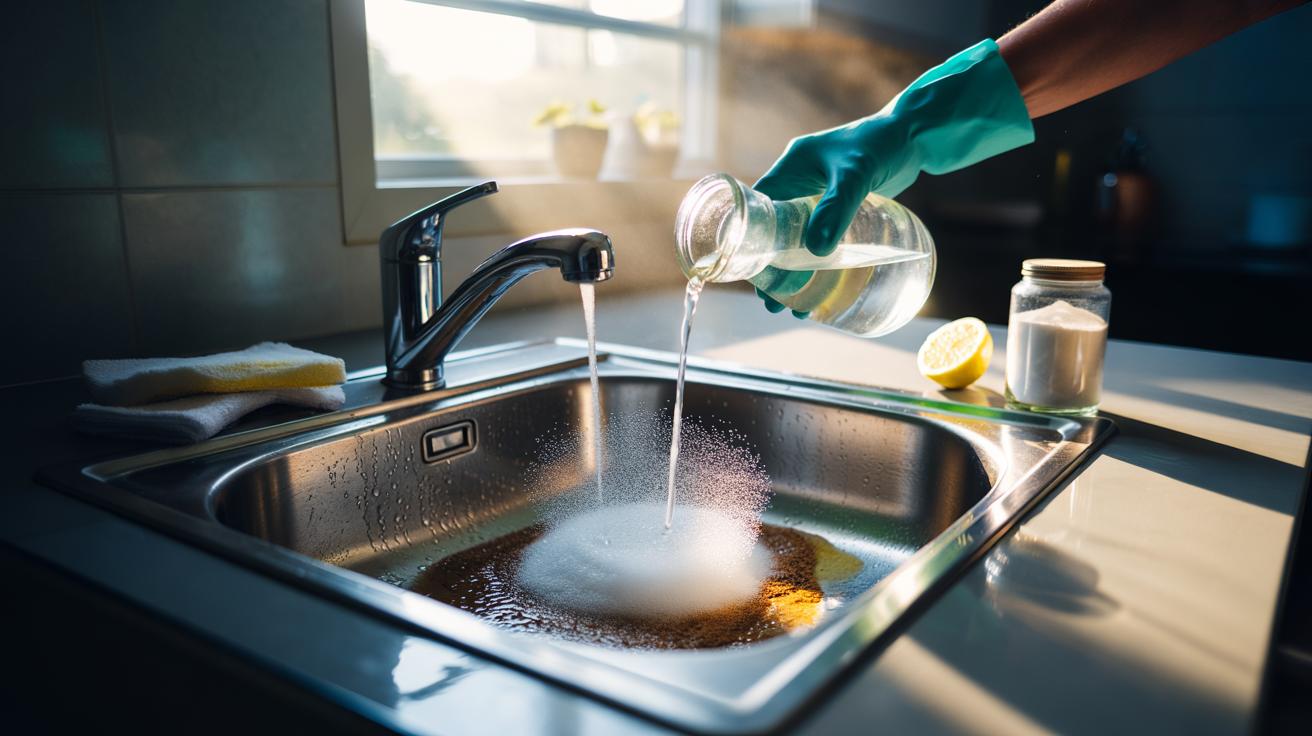
Everyday cleaning can feel like a tug of war between elbow grease and expensive sprays. Then there’s the humble box of baking soda, the kitchen stalwart that seems to turn dull basins bright in minutes. Its secret weapon? Bubbles. When paired with the right partner and a bit of patience, the fizzing action lifts grime that clings like barnacles to a boat hull. Those tiny bursts of gas act like jacks under dirt, prising it from the surface without harsh scratching. It’s kitchen chemistry you can hear. And it’s wonderfully thrifty, kinder on the planet, and oddly satisfying to watch.
The Science Behind the Fizz
Baking soda is sodium bicarbonate, a mild alkali with two jobs in a sink: it loosens greasy films and buffers pH so soils detach more easily. On its own, the fine crystals add gentle, non-gouging abrasion that helps scour residues from brushed stainless steel and resilient ceramic. But the headline act happens when bicarbonate meets an acid such as white vinegar or lemon juice. They react, generating CO₂ microbubbles. Each bubble forms at tiny imperfections in the grime, expands, and nudges the deposit away from the surface. Think of it as millions of soft, popping levers working under the dirt so you don’t have to.
The fizz doesn’t “melt” stains; it undercuts them. Bubbles disrupt the boundary layer where sticky films cling, while bicarbonate’s alkalinity neutralises acidic residues and odours. With fats, it helps break the greasy network so it rinses clean, particularly in warm water. Another plus: bicarbonate slightly softens water, improving rinse-off. Combined, these effects make old tea halos, dried food, and biofilm around plugholes release with minimal scrubbing. That’s why a dull sink suddenly feels new—the grime was never polished, it was lifted. The chemistry is modest, but the mechanical assist from the fizz is mighty.
How to Use Baking Soda for Different Sink Materials
Technique matters. For stainless steel, sprinkle a thin veil of baking soda over a damp basin, then massage with a soft sponge in the grain’s direction. Mist with white vinegar for targeted fizz, wait 3–5 minutes, and rinse hot. For ceramic or enamel, the same method works, but avoid scouring pads. To tackle limescale around taps, lay vinegar-soaked kitchen paper for 10 minutes, then dust baking soda and watch the foam creep into crevices. Do not combine vinegar with bleach—ever—because it can release hazardous chlorine gas. Finish with a microfibre buff to prevent water marks returning minutes later.
Composite and granite-resin sinks ask for a lighter touch: make a paste (2 parts baking soda to 1 part water), spread, and let it rest before a soft-bristle scrub. Rinse thoroughly. For odours rising from the drain, tip in half a cup of bicarbonate, follow with a cup of hot vinegar, cap the drain for the dramatic fizz, then flush with boiling water. Below is a quick guide to common problems and the role bubbles play.
| Stain/Issue | Method | Contact Time | Why It Works |
|---|---|---|---|
| Grease film | Baking soda + hot water rinse | 2–3 mins | Alkalinity loosens fats; mild abrasion lifts |
| Limescale halo | Vinegar soak, then baking soda | 10–15 mins | Acid dissolves scale; CO₂ bubbles dislodge residue |
| Tea/tannin stains | Baking soda paste; optional peroxide | 5–10 mins | Abrasion + oxygenation brighten surfaces |
| Drain odour | Baking soda, then hot vinegar, flush | 5 mins | Neutralises acids; bubbles sweep biofilm |
When Bubbles Aren’t Enough: Pairings and Pitfalls
Some stains are stubborn for a reason. Mineral deposits bond tightly; coloured tannins lodge in micro-scratches. In those cases, consider smart pairings. For pale sinks with tea rings, a paste of baking soda and a splash of 3% hydrogen peroxide adds gentle oxygen action and a touch more lift; leave for up to 10 minutes, then rinse. For serious limescale, stick with a vinegar pre-soak before you dust on bicarbonate for the bubble assist. The fizz is not a cure-all, but it’s a powerful force multiplier that makes light work of scrubbing. Always patch-test on dark composites, as repeated use of oxidisers may dull colour over time.
Know the limits and the safety notes. Never mix baking soda or acids with bleach. Keep metal-bristle brushes away from stainless steel—they can shed and rust, leaving brown trails mistaken for stains. Avoid prolonged vinegar exposure on natural stone surrounds. For aluminium strainers, use bicarbonate with plain water only, then rinse and dry. The upside? This toolkit is low-cost, low-tox, and kinder to wastewater systems than many perfumed cleaners. In short: bicarbonate’s mild alkalinity loosens, crystals polish, and CO₂ microbubbles pry. That three-step synergy explains why a tired sink can go from grim to gleam in a kettle’s time.
It’s pleasing that a cupboard staple can outshine boutique sprays, and without the chemical fog. Small bubbles do big work, especially when you let time and technique help. Armed with baking soda, a splash of vinegar, and a steady hand, you can reclaim that factory-fresh sparkle and keep it with quick weekly refreshes. The trick is knowing when to fizz, when to paste, and when to simply rinse hot and dry. What stain or sink finish has challenged you most, and which bubble-powered method are you tempted to try next?
Did you like it?4.4/5 (25)