In a nutshell
- 🍜 Miso is the single ingredient chefs champion to replace complex recipes, delivering instant depth, balance, and restaurant-level polish with minimal effort.
- 🧪 Powered by fermentation, miso is rich in natural umami (glutamates) that amplifies flavours, enhances browning, and improves texture and emulsification for sauces and dressings.
- ⚡ Quick wins: five-minute pan sauces, glossy glazes, savoury compound butters, and even boosted desserts—small amounts create outsized results.
- 🛒 Smart use: choose white miso for versatility, darker styles for punch; read labels, adjust salt, and avoid boiling to preserve character and live cultures.
- 🥶 Storage made easy: keep sealed in the fridge for months, portion and freeze for convenience, and stir in as a slurry off-heat for best flavour retention.
London’s busiest kitchens are whispering the same secret: you can ditch labyrinthine recipes and still plate food that tastes like a tasting menu. The trick is not a gadget or a subscription box. It’s a single pantry staple. Chefs from neighbourhood bistros to Michelin-starred counters point to miso—a fermented paste packed with depth, savour, and subtle sweetness. Stir a spoonful into butter, broths, even desserts, and watch ordinary ingredients glow. This one ingredient shortens technique while expanding flavour. Complex marinades? Not needed. Stock reductions? Optional. With miso, home cooks gain an instant route to balance, body, and restaurant-level polish, while keeping weeknight cooking calm, quick, and deeply satisfying.
The One Ingredient Chefs Swear By: Miso
What makes miso so disarmingly powerful is its layered profile born of fermentation. Soybeans—or sometimes barley, rice, or chickpeas—are fermented with koji, creating a paste rich in natural glutamates and complex aromatics. That chemistry translates to immediate depth. Stir a teaspoon into a pan sauce and the sauce suddenly tastes slow-simmered. Whisk it into yoghurt and you have a tangy, savoury dressing in seconds. Brush it onto roasted carrots and they emerge lacquered, sweet-savoury, almost meaty.
Chefs love that miso is both flavour and function. It seasons, yes, but it also builds body, encourages gentle browning, and steadies emulsions. In other words, miso behaves like a toolbox disguised as a single jar. The result is restaurant-level results from simple methods: sear, stir, glaze, serve. Whether you’re cooking salmon, aubergines, or a bowl of noodles, a small measure of miso provides the “finished” taste that usually requires long ingredient lists and hours of reduction. Simplicity, finally, without compromise.
How Miso Unlocks Umami and Texture
Miso is a masterclass in culinary science. Its fermentation produces umami via glutamates and nucleotides, which amplify savoury notes already present in meat, mushrooms, tomatoes, and cheese. Add a little to a tomato soup and it tastes more tomato. Introduce it to mushrooms and their woodland character becomes bolder. Those same compounds can make plant-based dishes feel luxuriously complete, reducing reliance on meat stock or piles of aromatics. Miso also contains sugars and amino acids that help food caramelise and brown. Pan-roasted squash brushed with miso takes on glossy edges and a gently smoky sweetness.
Texture is another quiet win. The proteins and starches in miso help bind liquids, so sauces thicken and cling without flour. Vinaigrettes emulsify more reliably. Marinades seasoned with miso penetrate faster thanks to its salt content and enzymatic activity, creating tenderness with minimal effort. One spoon, one pan, and suddenly your supper eats like a chef’s special. Choose styles wisely, though: lighter misos are milder and sweeter; darker misos are saltier, funkier, and bolder.
| Type | Saltiness | Flavour Notes | Best Uses | Suggested Ratio |
|---|---|---|---|---|
| White (Shiro) | Low–Medium | Sweet, gentle, creamy | Dressings, butter, light fish | 1 tsp per serving |
| Yellow (Shinshu) | Medium | Balanced, toasty | Soups, pan sauces, veg glazes | 1–2 tsp per serving |
| Red (Aka) | Medium–High | Robust, savoury, funky | Grills, stews, mushrooms | 1/2–1 tsp per serving |
| Barley (Mugi) | Medium | Malty, earthy | Roasts, miso-maple glazes | 1 tsp per serving |
| Chickpea | Low–Medium | Nutty, soy-free | Dips, vegan sauces | 1–2 tsp per serving |
Everyday Shortcuts: Five-Minute Sauces, Glazes, and Butters
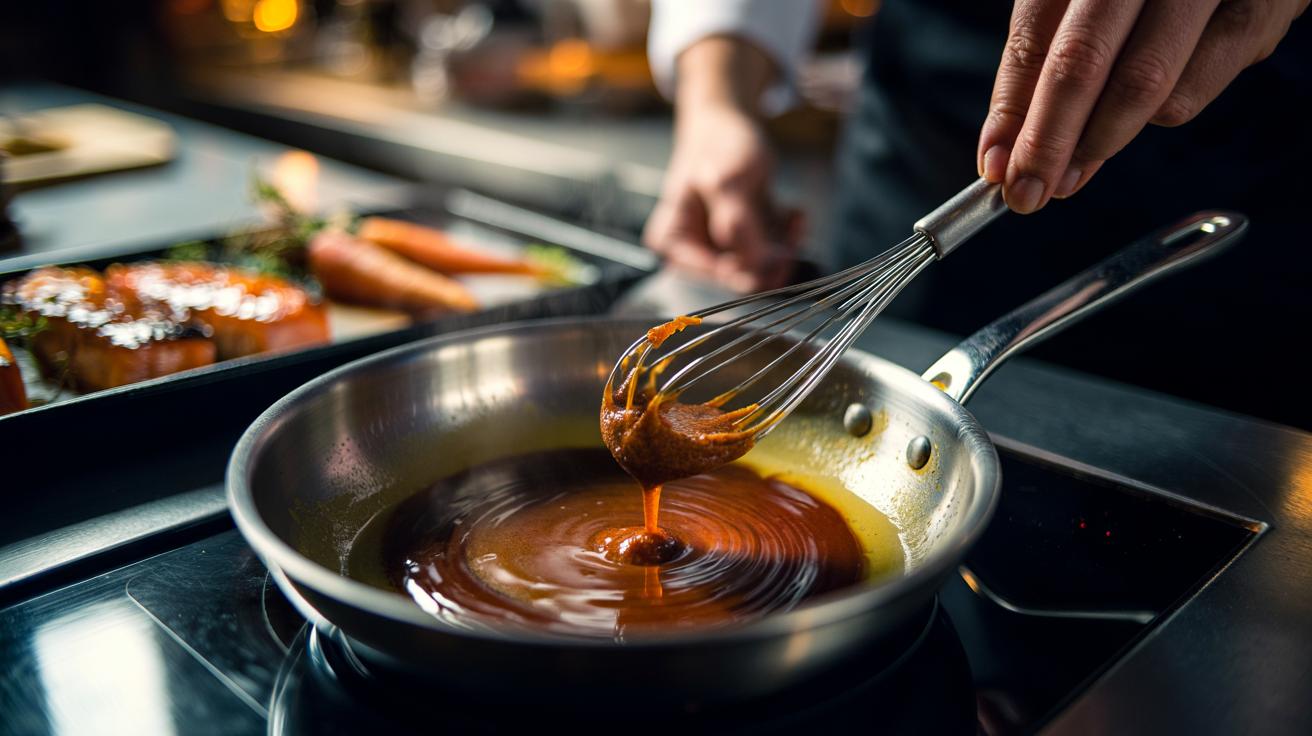
Try a pan sauce that behaves like a demi-glace. Sear chicken thighs, deglaze with white wine, then whisk in a teaspoon of white miso with a knob of butter and a splash of water. Silky, glossy, done. For vegetables, roast tenderstem broccoli and toss with a quick miso-honey dressing; the stalks drink it up, tasting sweet-savoury and outrageously moreish. Small amounts deliver outsize results. Whisk miso into mayonnaise for a punchy sandwich spread, or into Greek yoghurt with lemon for a crudité dip that shames store-bought versions.
Looking for a glaze? Mix miso, maple syrup, and rice vinegar. Brush over salmon or squash in the last minutes of cooking and let it bubble to a lacquer. For a compound butter, brown butter until nutty, cool slightly, then beat in white miso and chopped chives; melt it over steak, mushrooms, or corn. Sweet tooth? A teaspoon of miso in chocolate ganache or caramel adds salted-caramel depth without extra salt. Each idea asks for one spoon, a bowl, and a minute or two of whisking—proof that technique can be simple when flavour is intelligent.
Smart Shopping and Storage for Maximum Flavour
Choose refrigerated, unpasteurised miso when you can; it tends to taste brighter and more nuanced. Pasteurised jars are fine for cooking, especially if they’re easier to find. Read labels: shorter ingredient lists usually mean better flavour. If you’re unsure which to buy, start with white miso for flexibility and add a darker style later for bolder dishes. Consider salt levels; if a recipe already includes soy sauce or salty stock, reduce miso slightly and taste as you go. A little restraint keeps balance on the plate.
Storage is straightforward. Keep miso sealed in the fridge for months, even longer; its salt and acidity are natural preservatives. Scoop portions into tablespoon-sized blobs and freeze for grab-and-cook convenience. To preserve live cultures, avoid boiling miso directly; thin it with warm water into a slurry, then stir in off the heat. Wipe jar rims clean to prevent crusts and off flavours. Finally, think of miso as a base note. Keep it near the front of the fridge, next to butter and mustard, and it will find its way into weekday cooking without a second thought.
Miso won’t replace imagination, but it does liberate it. With one jar you can simplify, season, and shine—skipping fiddly steps while delivering the layered flavour diners expect from a high-end kitchen. The method stays relaxed; the results sound like applause. Complex recipes become optional when your pantry contains complexity in a spoon. Tonight, try a glaze, a butter, or a swift pan sauce and notice how everything tastes more composed. Which dish in your weekly rotation will you transform first with miso, and what unexpected pairing will you test next?
Did you like it?4.5/5 (21)