In a nutshell
- 🌬️ The rich aroma of coffee grounds masks insect chemical cues; gritty texture and residual caffeine deter pests, making a gentle “sensory smokescreen” that fits IPM.
- 🛠️ Practical use: Dry grounds first; apply a thin dusting or 2–3 mm ring and reapply after rain; avoid thick layers; mix up to 20–25% in mulches/compost and keep off seedling stems.
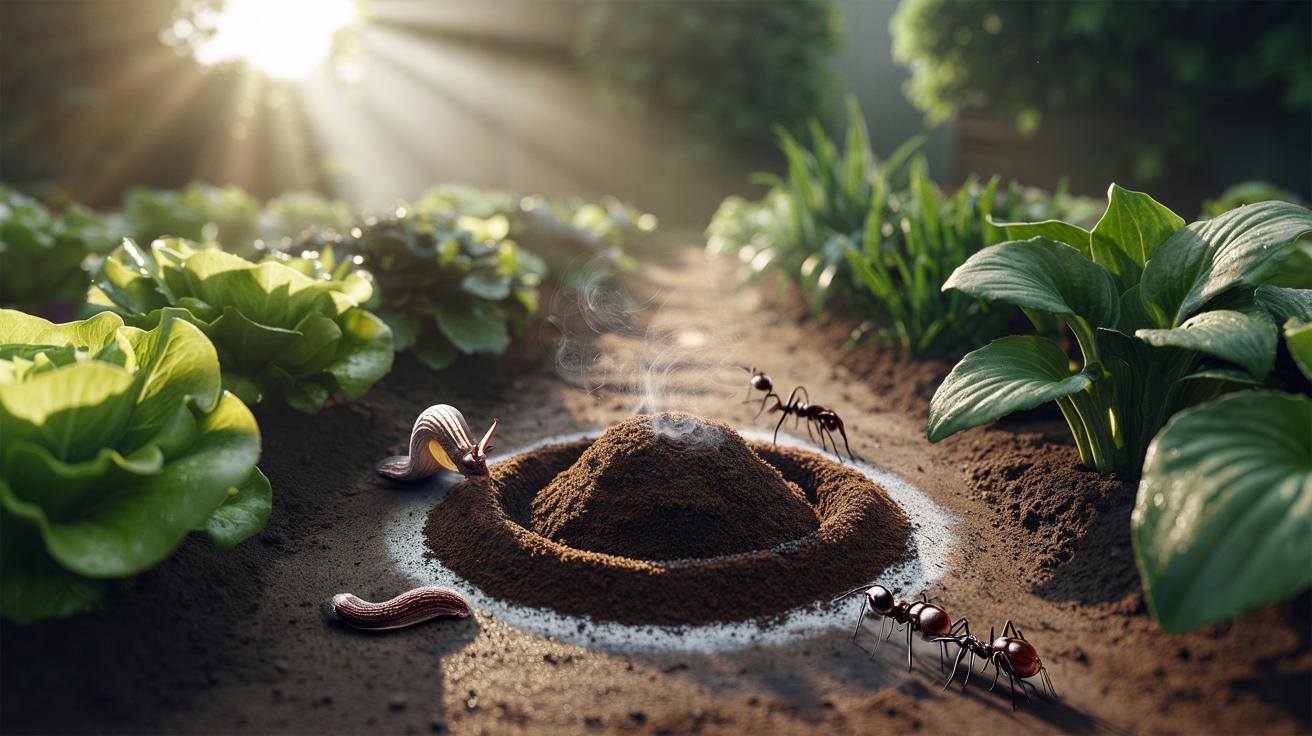
- 🐌 Targets: Slugs & snails avoid gritty borders; 🐜 Ants lose pheromone trails; 🪰 Fungus gnats are deterred by a drier topsoil surface.
- 🧩 Limits and pairings: not a cure‑all—pair with copper tape, beer traps, sticky cards, and aromatic herbs; small, frequent applications preserve beneficial insects.
- ♻️ Sustainability: repurposes waste, cuts chemical sprays, adds organic matter, improves soil structure; in compost treat as “green” and balance with carbon‑rich “browns.”
Coffee drinkers have an unexpected ally buried in their bins: used grounds that double as a thrifty, nose-led deterrent to troublesome visitors in the veg patch. The rich scent that energises our mornings can overwhelm an insect’s chemical radar, blurring trail markers and masking the plant odours many pests home in on. Gardeners across the UK report fewer nibbled leaves and calmer patios when they deploy this waste resource smartly. It’s an easy, low-cost tactic that turns a daily habit into practical pest defence. Below, we unpack how the aroma, texture, and chemistry of coffee grounds work, and how to apply them without risking soil health or stressing young plants.
Why Coffee Grounds Deter Garden Pests
Insects navigate using volatile compounds, trails, and micro-odours. The dense bouquet from used coffee can muffle those cues, confusing foraging paths. Ants, for example, rely on pheromone lines; a sprinkle of grounds often disrupts their routes around pots or patio cracks. Slugs and snails aren’t insects, but they are persistent grazers. The gritty texture plus bitter residues can make a bed border feel hostile. Think of it as a sensory smokescreen with a mild scratchy barrier. Not magic. Just chemistry and texture in tandem.
There’s also a biochemical angle. Coffee contains traces of caffeine and diterpenes even after brewing, compounds many invertebrates find unpalatable. While concentrations in spent grounds are modest, they still contribute to aversion, especially where pests have alternative routes or tastier targets. Add the drying effect: a thin dusting on the soil surface helps wick away moisture from the top millimetres, discouraging fungus gnats that prefer damp conditions to lay eggs. Short term results can be striking; long term results improve with consistency.
Used grounds won’t sterilise a garden or replace nets, traps, and vigilance. But they fit neatly into integrated pest management (IPM): a layered approach that makes your beds less inviting. In essence, coffee grounds nudge behaviour. Slugs veer off. Ants hesitate. Gnats stop breeding in that pot. Small nudges add up when you repeat them after rain and fold them into a wider plan.
Practical Ways to Apply Grounds Without Harming Plants
Start by drying your grounds. Spread thinly on newspaper for a day, or warm them gently in a low oven. Always dry used grounds before scattering to prevent mould and clumping. For beds, shake a light dusting around vulnerable crops—lettuce, hostas, seedlings—refreshing after showers. Don’t pile thick layers; they can form a water-shedding crust. Around pots, a ring 2–3 mm deep is sufficient as a tactile and aromatic speed bump. For paths where ants march, brush a small smear into cracks, then monitor and reapply until traffic fades.
Mixing is safer for soil life. Combine grounds at up to 20–25% by volume with leaf mould or fine bark and use as a spot mulch. In compost, treat used coffee as “green” material: its C:N ratio sits roughly near 20:1, so balance with “browns” like shredded cardboard. Despite the myth, spent grounds are close to neutral pH, not strongly acidic. Moderation prevents hydrophobic mats and reduces risk to tender roots. Keep grounds away from the stems of seedlings to avoid moisture stress.
| Pest | How Coffee Helps | Application Tip |
|---|---|---|
| Slugs and snails | Aroma plus grit create an unpleasant crossing | Thin perimeter ring; refresh after rain |
| Ants | Disrupts pheromone trails and nest scouting | Work grounds into cracks; reapply for a week |
| Fungus gnats | Dries the topsoil layer, deterring egg-laying | Light dusting on pot surface; do not saturate |
Use small, frequent applications for steadier results and to keep soil structure open. Track what shifts: fewer slime tracks, quieter ant lanes, less gnat “snow” at watering time. That feedback loop tells you when to top up.
Limits, Sustainability, and Smart Pairings
Let’s be honest about limits. Coffee grounds are a helper, not a cure-all. A starving slug will still dare a gritty line on a wet night. Dry grounds lose punch after a downpour. And applied thickly, they can hinder water infiltration or slow seedling emergence. That’s why the best results come when grounds support—rather than replace—other tactics: copper tape on cherished pots, wildlife-friendly beer traps, hand-picking at dusk, and protective collars around stem bases.
The sustainability case is strong. Repurposing grounds cuts waste and reduces reliance on synthetic sprays. You feed the soil too. As they break down, coffee grounds add organic matter that improves soil structure, water retention, and microbial activity. Worms seem to tolerate modest amounts, dragging particles deeper where they slowly mineralise. In compost, their nitrogen helps heat the heap, accelerating rot and knocking back some pathogens. The trick is balance: blend with dry carbon-rich materials and turn often.
Pair aroma with plants and barriers. Surround salads with aromatic herbs—rosemary, thyme, chives—whose scents complicate pest navigation, then back them with a faint coffee fringe. For containers plagued by gnats, let the top centimetre dry between waterings, add a coffee dusting, and set up yellow sticky traps for monitoring. Layering small, soft measures protects beneficial insects while nudging pests elsewhere. That aligns with the heart of IPM: prevention first, intervention light, ecosystem health always.
Turning morning leftovers into evening pest defence is a small, satisfying act. It’s cheap, scalable, and surprisingly effective when used thoughtfully alongside other gentle tactics. You’ll waste less, spray less, and observe more—learning where scent barriers work and where sturdier measures are needed. The garden becomes a place of tweaks, not battles. Ready to experiment? Dry a week’s worth of grounds, map your trouble spots, and try three light applications while you track what changes. What combination of coffee, barriers, and planting will become your garden’s signature, low-impact shield?
Did you like it?4.7/5 (23)