In a nutshell
- 🥫 Make the surprising swap: replace two or three meat‑heavy meals and a fresh salmon dinner with pulses (beans, chickpeas, lentils) and tinned oily fish (sardines, mackerel) for a quick, cheap, nutrient‑dense upgrade.
- 🧠 Immunity in a week: more fibre (SCFA‑boosting), beta‑glucans from oats, and marine omega‑3 (EPA/DHA) plus vitamin D and selenium help balance inflammation and support the gut–immune axis.
- 💷 Real savings: UK prices show pulses and tinned fish beat fresh meats on cost per portion; swapping three meals can shave several pounds without sacrificing nutrition.
- 🗓️ Easy seven‑day plan: porridge with berries, chickpea salads, lentil soup, wholewheat pasta with mackerel, beans in baked sweet potatoes, and quick dal, guided by a short, budget shopping list.
- 🌍 Practical and sustainable: shelf‑stable staples reduce food waste, cut prep time, improve satiety and energy, and reward consistency over costly “superfood” splurges.
British shoppers are feeling the squeeze, yet health is non‑negotiable as winter colds circle offices and classrooms. Here’s the twist dietitians say most people miss: your immune system doesn’t demand fancy supplements, it thrives on smart staples. The surprising, budget‑friendly switch? Replace two or three meat‑heavy meals and one fresh salmon dinner with pulses (beans, chickpeas, lentils) and tinned oily fish (sardines or mackerel). It’s quick, cheap, and nutrient‑dense. Within a week, a fibre surge and extra omega‑3 can begin supporting the gut and inflammatory responses that underpin everyday immunity. The bonus: less food waste, more satiety. It’s a quiet revolution served on toast, folded into soups, or stirred through pasta.
The Swap: From Pricey Meats to Pulses and Tinned Oily Fish
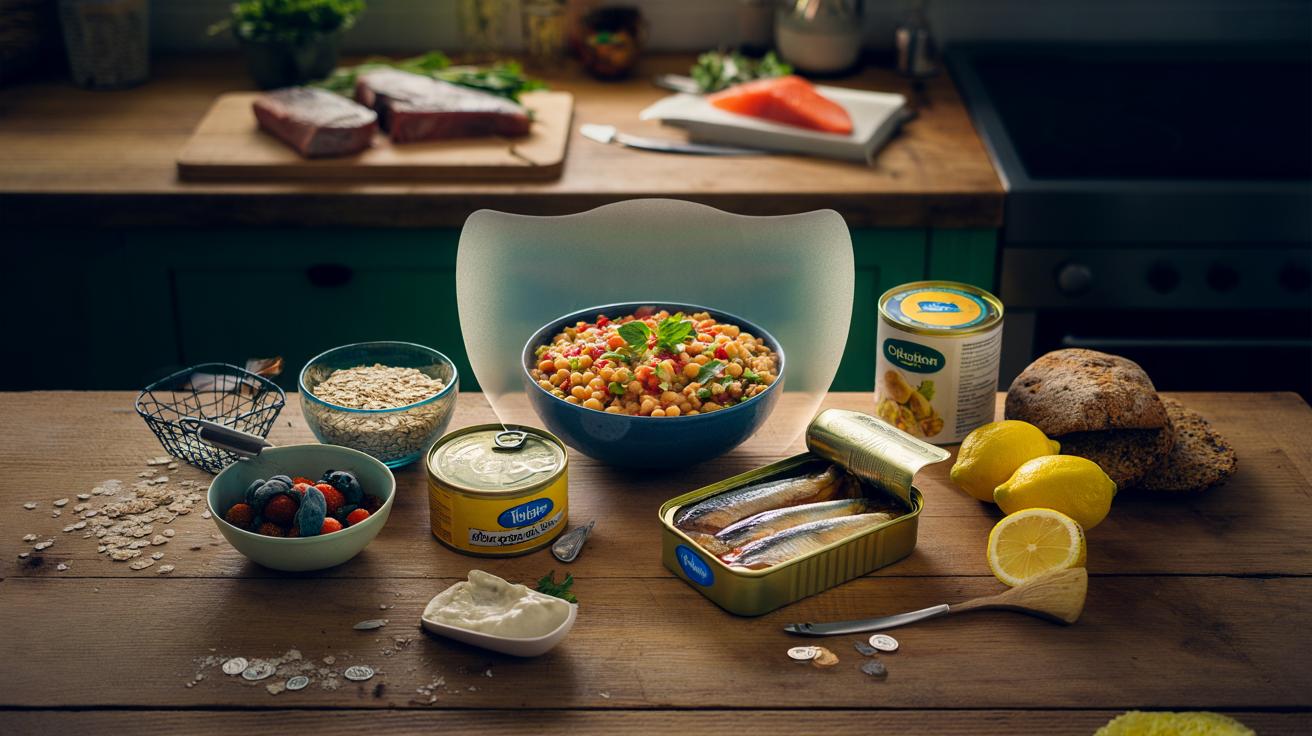
The premise is disarmingly simple: swap expensive fresh proteins with tinned sardines or mackerel and budget‑friendly beans and lentils. A single tin of sardines costs around a pound and delivers protein, omega‑3, and often a dose of vitamin D if the bones are included. Pair that with wholegrain toast or a jacket potato and you have a hot, complete meal for pennies. Pulses are the second pillar. They’re rich in fibre and minerals such as zinc and iron, and they help stabilise blood sugar, keeping afternoon slumps at bay. Dietitians highlight that immune‑supportive changes in the gut microbiome can occur within days when fibre intake rises sharply. That makes this swap compelling for the impatient and the pragmatic. It also respects time; beans simmer quickly from a tin, while tinned fish needs no cooking at all. Weeknight wins without culinary contortions.
What makes it “surprising” is how often these items are overlooked in favour of pricier “fresh” options that may not be more nutritious. The environmental upside is welcome, too. Pulses have a low footprint and tinned fish reduces waste by extending shelf life. Budget, health, and sustainability suddenly align on the same plate.
The Science: Fibre, Beta‑Glucans, and Omega‑3s
Immunity isn’t a single switch; it’s a network. Pulses bring fermentable fibre that feeds beneficial gut bacteria. As these microbes digest fibre, they produce short‑chain fatty acids that help regulate inflammation — a quiet background process that keeps defences balanced. Oats, another cheap staple, add beta‑glucans, a type of fibre associated with priming innate immune cells. That’s breakfast working smarter, not harder. Shift your plate towards these fibres for a week and you’re already nudging the gut–immune axis in the right direction.
On the marine side, tinned sardines and mackerel supply long‑chain omega‑3 fatty acids (EPA and DHA). These lipids integrate into cell membranes, subtly influencing how immune cells communicate. Many tins also provide vitamin D, vital for immune signalling, and selenium, a co‑factor for antioxidant enzymes. The result is a low‑cost toolkit that supports defence while moderating over‑zealous inflammation. It’s not a silver bullet, but in tandem with sleep and hydration it is powerful. The key is consistency: small daily doses beat occasional “superfood” splurges every time.
What It Costs: Real‑World UK Prices and Portions
Shoppers don’t need laboratory spreadsheets; they need clear choices. Here’s how the swap stacks up at typical UK prices, based on mainstream supermarkets. Prices fluctuate, but the pattern holds: pulses and tinned oily fish beat fresh meats on cost per nourishing portion.
| Item | Typical UK Price | Portions per Pack | Cost per Portion | Top Immunity Benefit |
|---|---|---|---|---|
| Chicken Breast (1 kg) | £7.00 | 4 | £1.75 | Protein, iron |
| Fresh Salmon (2 fillets) | £5.50 | 2 | £2.75 | Omega‑3 |
| Tinned Sardines (120 g) | £1.00 | 1 | £1.00 | Omega‑3, vitamin D |
| Tinned Chickpeas (400 g) | £0.55 | 2 | £0.28 | Fibre, zinc |
| Dried Red Lentils (500 g) | £1.20 | 6 | £0.20 | Fibre, iron |
| Oats (1 kg) | £1.20 | 10 | £0.12 | Beta‑glucans |
Swap just three meals this week and you could save several pounds without shrinking the nutritional value of your trolley. The arithmetic is hard to ignore: affordable staples can be the richest in immune‑relevant nutrients.
Seven‑Day Switch: Simple Meals and a Short List
Keep the plan humble. Breakfast: porridge made with oats, topped with thawed frozen berries and a spoon of live yoghurt for probiotics. Lunches: rotate chickpea salads with lemon and herbs; lentil soup with carrots and celery; bean‑and‑tuna (or sardine) sandwiches with wholegrain bread. Dinners: wholewheat pasta tossed with tinned mackerel, tomato, and capers; baked sweet potatoes split and filled with spiced black beans; quick dal with spinach and garlic alongside rice. Every meal edges fibre or omega‑3 up, quietly training immunity.
Your short shopping list looks like this: oats; two tins each of sardines and mackerel; three tins of mixed beans or chickpeas; a bag of dried red lentils; frozen mixed vegetables; onions, carrots, garlic; wholegrain bread or pasta; yoghurt with live cultures; lemons or vinegar; a budget tin of tomatoes. That’s the week, sorted. Batch‑cook once, reheat twice. Season boldly — paprika, cumin, chilli flakes — so thrift tastes exciting. By Sunday, you’ll likely notice steadier energy, better satiety, and fewer impulse snacks, which compounds the savings.
This isn’t austerity; it’s a modern British pantry strategy that rewards curiosity and consistency. The “surprising swap” — moving from pricey fresh proteins to pulses and tinned oily fish a few times a week — trims the bill while backing up your body’s frontline defences. It respects time, tackles waste, and fits even the smallest kitchen. Small hinges swing big doors when you repeat them daily. Which meal will you switch first this week, and what flavour twist will make it yours?
Did you like it?4.4/5 (25)