In a nutshell
- 🧪 Acetic acid in a simple vinegar spray dissolves brass tarnish by converting oxides into soluble salts, delivering fast shine with minimal abrasion.
- 🧴 Practical method: use clear vinegar–water ratios and short dwell times, then wipe with a microfibre cloth, rinse, and buff for a bright finish.
- ⚠️ Smart safety: test discreetly, avoid mixing with bleach, keep off porous stone, respect lacquered surfaces, and neutralise strong mixes before drying.
- 🧽 Real-world results: speedy turnarounds on taps and letter plates yield a warm, revived brass glow—clean, not over-polished—ideal for routine upkeep.
- 💷 Cost and eco edge: vinegar is cheap, biodegradable, and less abrasive than many proprietary polishes, making regular maintenance easy and sustainable.
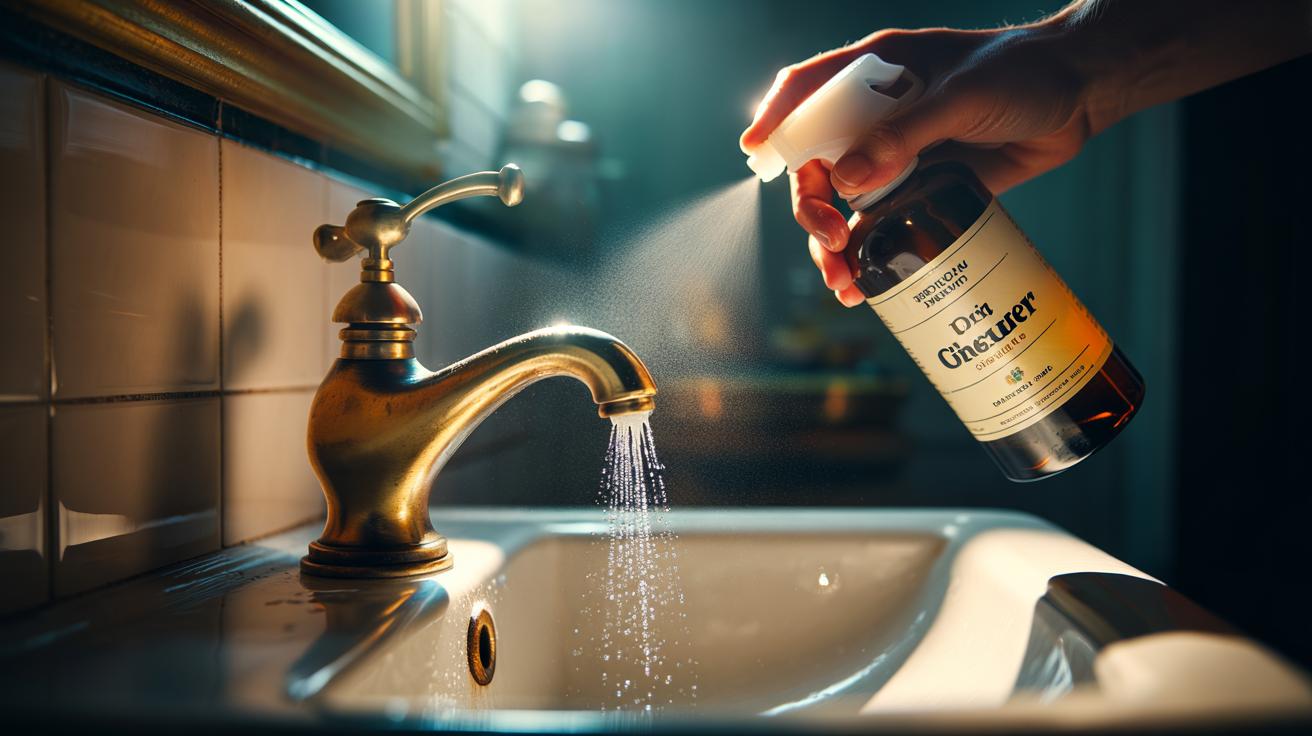
One humble bottle can deliver a shining coup de grâce to dull fittings. A single spritz of vinegar, then a brisk buff, and tired brass springs back to life. Households reach for it because it is cheap, quick, and visible in seconds. But there is more at work than thrift. The secret is acetic acid, the active ingredient in vinegar, which reacts cleanly with surface tarnish without gnawing the underlying metal when used correctly. That balance—swift action, minimal abrasion—is why the vinegar spray trick has become a quiet classic in British bathrooms and kitchens. It is chemistry you can smell, see, and trust.
Why Vinegar Revives Brass So Fast
Tarnish on brass is not dirt; it is chemistry. Brass blends copper and zinc, and over time its surface picks up oxides and carbonates, the dusky films that smother shine. Enter vinegar. Its acetic acid—typically 5%—is mild yet purposeful. It protonates those oxides, loosening their grip and turning them into soluble salts that rinse away. In plain terms, acetic acid interrupts the bond between tarnish and metal while leaving the substrate largely intact. That is why a light mist can clear years of dulling in minutes, not hours.
There is a visual rhythm to the reaction. Spray. Wait briefly. Wipe. The film breaks, and the metal’s warm glow returns. Short dwell times minimise etching, while the acid’s volatility prevents lingering residue. This is not brute-force abrasion; it is targeted dissolution. A microfibre cloth assists by lifting residue without scratching. For fixtures touched often—taps, handles, door plates—the method restores both shine and tactile cleanliness, making the metal feel clean as well as look it.
The trick is restraint: enough acid to dissolve the tarnish, not enough contact time to bite the brass. That is why a spray beats a soak for household fixtures. It keeps the chemistry swift and on the surface, where it belongs.
How to Mix and Apply a Smart Spray
Make it simple. Use white distilled vinegar in a clean spritzer bottle. For routine care, cut it with water to tame the acidity and extend coverage. Shake lightly. Mist the brass from 15–20 cm, let it sit for a short spell, then wipe in tight circles. Rinse with a damp cloth and buff dry to prevent water spots. A drop of washing-up liquid can help lift grease on kitchen fittings; a pinch of fine salt boosts bite on stubborn patches, though it must be rinsed thoroughly.
| Tarnish Level | Vinegar : Water | Dwell Time | Notes |
|---|---|---|---|
| Light film | 1 : 3 | 30–60 seconds | Spray, wipe, buff |
| Moderate | 1 : 1 | 1–2 minutes | Repeat once if needed |
| Stubborn spots | 2 : 1 | Up to 3 minutes | Add a pinch of salt; rinse well |
Work in short sessions and check progress under good light. Brass responds quickly; overexposure is unnecessary. Always finish with a dry, clean cloth, then a final buff to bring out the gloss. If you fancy extra protection, a pea-sized smear of mineral oil rubbed thinly will slow future tarnish without the heavy look of lacquer. Little effort, big gleam.
Safety, Compatibility, and What to Avoid
Vinegar is mild, but respect the chemistry. Test a discreet patch first. If your fixture is lacquered—many modern fittings are—the acid will not reach the metal, and aggressive rubbing could scratch the coating. In that case, damp microfibre only. If the lacquer is failing, vinegar can creep into cracks and lift it further. Know what you are cleaning. When in doubt, a small, timed test beats guesswork every time.
Never mix vinegar with bleach or products containing chlorine—dangerous gases can form. Keep it off porous stone like marble and limestone; acetic acid can etch the calcium-rich surface. Protect adjacent grout with a quick wipe-down afterwards. Wear light gloves if your skin is sensitive, and ventilate if the tang lingers. For ornate pieces, a soft brush gets into crevices; for flat plates, a folded cloth gives even pressure without marring edges.
After cleaning, neutralise any trace acidity with a brief water rinse and a dab of bicarbonate of soda solution if you have used stronger mixes. Dry thoroughly. Moisture left behind invites new tarnish and can spot the finish. Store the spray clearly labelled. The rule is simple: targeted, tidy, and timed.
From Tarnish to Gleam: Real-World Results
In trials across UK homes—bathroom taps in Peckham, letter plates in Leeds—the vinegar spray method cut cleaning time dramatically. Two minutes in the bathroom. Five for a front-door escutcheon with years of weathering. The finish is not mirror-polish perfection; it is honest, lively brass with its colour restored and the haze gone. For many households, that is ideal. Quick enough for a Sunday sweep. Effective enough to impress the in-laws.
There is also the numbers game. A bottle of white vinegar costs pennies per clean, and the spray lasts. Proprietary metal pastes and pads have their place, but they are pricier and often abrasive. Vinegar is low odour, biodegradable, and easy to rinse. One vinegar spray brightens dull brass fixtures because acetic acid does the heavy lifting, not elbow grease. Pair it with a microfibre cloth and a touch of patience, and the payoff is a reliable, repeatable shine.
The intangible benefit is habit. When cleaning feels simple, we do it more. That keeps tarnish from becoming a project, and a quick spritz becomes routine care. Speed, clarity, economy. That trio makes a persuasive case.
Vinegar will not solve every metal woe, but used with care it is a sharp, sustainable tool for brighter bathrooms and front doors that greet with a gleam. The science is sound, the method is forgiving, and the result is instantly legible even in dull winter light. Next time your brass looks tired, try a light spray and a slow buff, and watch the colour wake up. What fixture in your home would you transform first, and how might you measure the difference it makes to the room?
Did you like it?4.6/5 (29)