In a nutshell
- ✨ The quickest lemon polish works because citric acid acts as a mild chelating agent, lifting oxides and residues from stainless steel and silver for fast, visible brilliance.
- 🧪 Simple method: wash first, rub with fresh lemon (optional fine salt on stainless), keep contact brief, then rinse and buff dry to prevent marks and overexposure.
- ⚠️ Smart precautions: avoid bleach with acids, skip wire wool and gritty abrasives, limit time on silver/silver‑plate, and be cautious with aluminium and carbon steel.
- 🛡️ Aftercare that lasts: neutralise silver with a weak bicarbonate rinse, dry immediately, and store in anti‑tarnish pouches; refresh monthly for stainless, quarterly for silver.
- 🌿 Fast, frugal, eco‑lean: a lemon or diluted citric acid solution delivers salon-level shine in minutes—no harsh chemicals, minimal effort, maximum gleam.
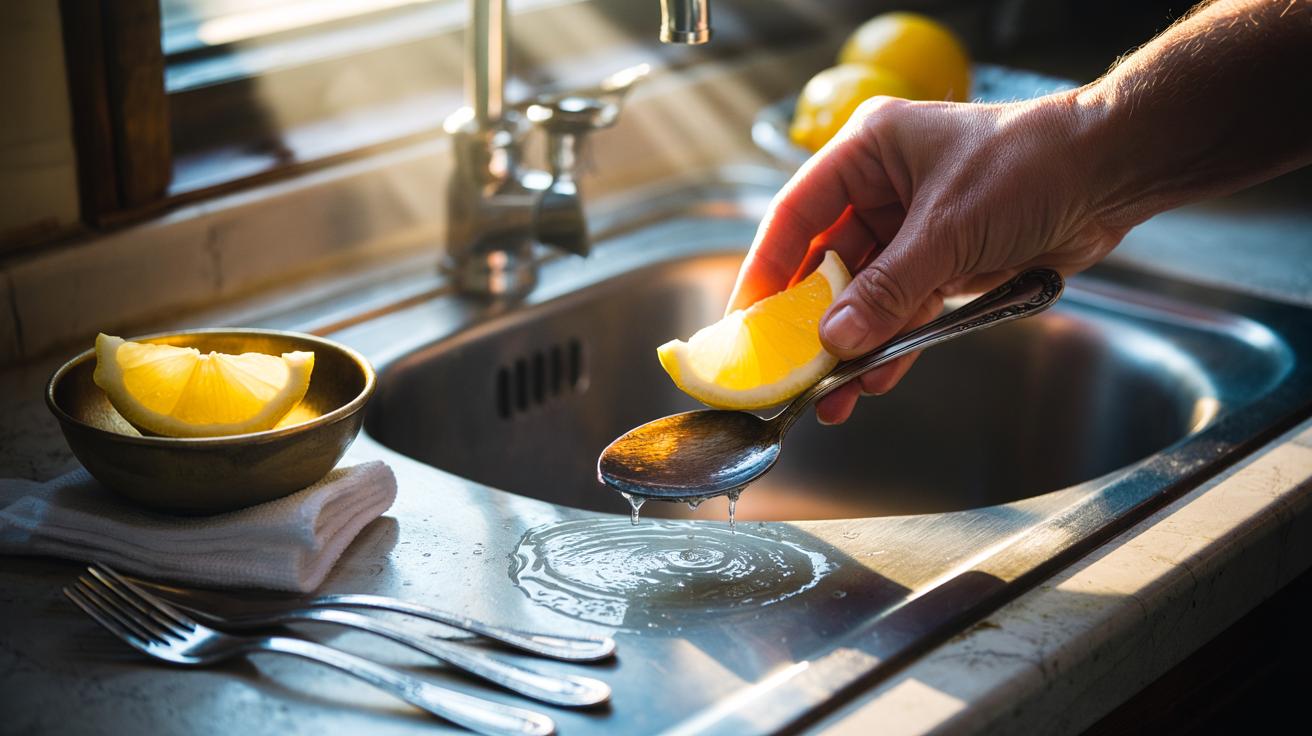
There’s a kitchen hack that feels like cheating: slice a lemon, swipe, and your dull knives and forks flash back to life. No elbow-grease pantomime, no chalky paste. Just citric acid, present in that humble lemon, breaking down grime and tarnish in seconds. The charm lies in its speed and gentleness; stainless steel regains its clarity, while silver pieces lose their sulky hue. It takes minutes, not hours. For busy households, students in shared flats, or chefs between services, the quickest lemon polish is a small ritual with outsized payoff. Here’s the how, the why, and the few caveats to keep that shine lasting.
Why Citric Acid Works so Fast
Citric acid is a mild, food-safe acid with a knack for tidying up metals. As a chelating agent, it binds to stray metal ions on the surface and in the film of oxides that dull cutlery. That chelation, combined with a modest drop in pH, disrupts light-scattering residues so the surface reflects cleanly again. On stainless steel, it helps lift iron oxides and kitchen smuts, revealing the chromium-rich matrix that looks bright to the eye. On silver and silver-plate, citric acid can loosen sulphide tarnish and remove fingerprints’ fatty acids, though it should be used lightly and rinsed promptly.
Unlike harsh mineral acids, citric acid acts more selectively and slowly, reducing the risk of biting into the metal itself. That’s why a lemon rub is forgiving for everyday spruce-ups. It still demands respect. Do not let acidic juice dry on the surface, and avoid long soaks, especially with plated items where base metals can leach if neglected. The magic is contact, then removal: a controlled wipe, a short pause, a thorough rinse, and a dry buff. The result is a swift reset of surface chemistry—and a gleam you can measure in reflections.
Quick Method: Lemon Polish, Step by Step
First, wash the cutlery to remove grease; a clean surface allows the lemon polish to hit the right targets. Halve a lemon. Dip the cut face in a pinch of fine salt if you need gentle abrasion for stubborn spots (skip salt on soft metals). Rub along the grain of the steel or the curve of the spoon bowl. Count to 20. For heavier tarnish, give it up to 60 seconds. Do not exceed a few minutes on silver or plated items. Rinse in warm water, then buff immediately with a dry microfibre cloth to lock in the shine.
Time-starved? Work in batches. Lay pieces on a tea towel, swipe each with lemon, then cycle through to rinse and buff. This assembly-line rhythm keeps contact time consistent and prevents drying. For delicate engraving, use a cotton bud to control application. If water is hard in your area, a final splash of distilled water prevents mineral spots. Below is a pocket guide you can tape inside a cupboard door.
| Item | Method | Contact Time | Caution |
|---|---|---|---|
| Stainless steel cutlery | Lemon rub, optional fine salt | 20–60 seconds | Rinse and dry fast |
| Silver/silver-plate | Lemon rub, no salt | 15–45 seconds | Do not soak |
| Carbon steel knives | Brief lemon wipe | 10–20 seconds | May lighten patina; dry instantly |
| Aluminium | Avoid or test | — | Risk of darkening |
What to Use, What to Avoid
Use fresh lemon, bottled lemon juice, or a diluted solution of citric acid powder (about 1 teaspoon per 250 ml of warm water) for consistency. Choose a soft sponge or microfibre cloth; they spread acid evenly and guard against scratches. For fine silver, a soft-bristled brush gets into hallmarks and patterns without scuffing. Gloves help if your skin is sensitive, though most people find short contact tolerable. Keep a jug of warm water ready for swift rinsing and a clean, dry tea towel for the finale.
Avoid wire wool, harsh scouring pads, and gritty cleansers that etch steel and strip plating. Don’t introduce bleach anywhere near acids—mixing them risks fumes and surface damage. Never leave lemon juice to dry on metal, and be wary of aluminium, which can spot or turn grey under acid. Carbon steel blades can lose their blue patina if overtreated; a brief wipe is fine, a soak is not. For heirloom silver, test a discreet area first. If the piece is lacquered or has porous handles (bone, wood), keep liquids away from joins to prevent swelling or stains.
Aftercare and Long-Lasting Shine
Once the sparkle is back, lock it in. Rinse thoroughly to remove every trace of acid; a quick pass through a weak bicarbonate solution (¼ teaspoon in 250 ml water) can neutralise residues on silver. Dry immediately—water marks rob shine and can seed corrosion. Use a clean microfibre cloth and finish with long, light strokes along the grain. For carbon steel knives, a whisper of food-safe mineral oil keeps oxygen at bay. For table silver, store pieces in anti-tarnish pouches or with silica gel to reduce sulphur exposure.
Habits matter. Wash soon after meals, especially when acidic foods are involved. Skip abrasive dish tabs for prized items and avoid overstuffed cutlery baskets that cause rubbing. A monthly lemon refresh keeps stainless bright with almost no effort, and a quarterly session for silver is often enough in a typical UK home. If you crave a showroom finish, a drop of microcrystalline wax buffed onto clean steel or silver can add a protective sheen that survives multiple washes, reducing how often you need to reach for the fruit bowl.
In the end, this “cheat” is just sound chemistry dressed as a kitchen trick: citric acid chelates, lifts, and clears, then you rinse, dry, and admire. It’s fast, cheap, and gentle when used with intent. Your cutlery doesn’t need a spa day; it needs a lemon and a minute. The rest is ritual, the kind that makes weeknights feel organised and weekends look glamorous. Will you try the swipe-and-shine routine at your sink this week, or do you have a family polishing lore that beats the humble lemon at its own game?
Did you like it?4.3/5 (21)