In a nutshell
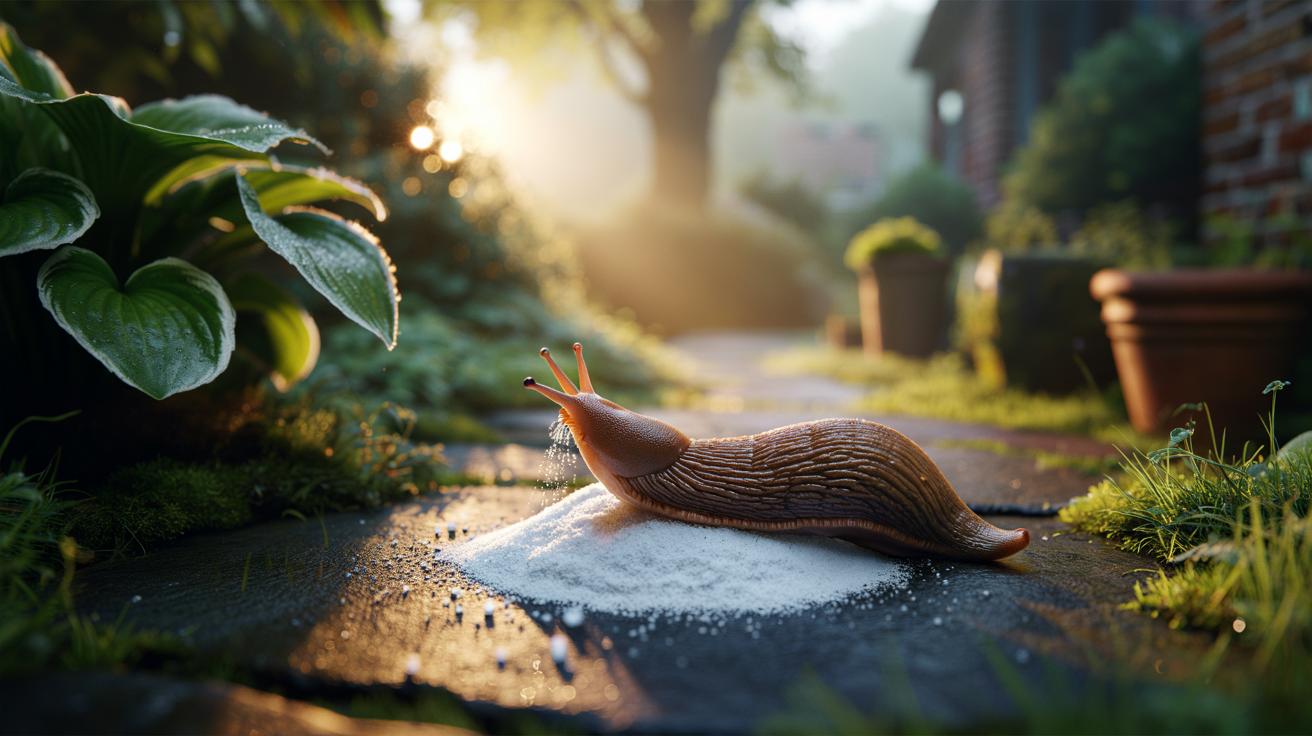
- 🧂 Salt renders slugs powerless by creating a hypertonic film; water rushes out through their permeable skin, causing rapid osmotic shock and lethal dehydration from sodium chloride exposure.
- 🧪 The science: slug cells crenate as water leaves; protective mucus (rich in mucopolysaccharides) collapses, and locomotion fails—an irreversible cascade once the gradient is set.
- 🌱 Environmental and welfare costs: residual sodium can damage soil health, stress plants and earthworms, and is viewed as inhumane due to death by dehydration.
- 🇬🇧 UK guidance: the RHS advocates integrated pest management; the garden use of metaldehyde is banned (since 2022), while ferric phosphate baits remain approved when used correctly.
- 🛡️ Practical alternatives: deploy barriers (copper tape), biocontrol (Phasmarhabditis nematodes), targeted baits, dusk hand-picking, and habitat for predators to protect crops without salting the soil.
Across Britain’s rain-fed gardens, the age-old “salt trick” remains a whispered remedy against slugs. A sprinkle on a silvery trail, and the mollusc seems to collapse, defeated within minutes. The spectacle is stark. The science, starker. On contact, common table salt (sodium chloride) rips water from a slug’s body through a brutal osmotic gradient, leaving tissues drained and motionless. It is not a stun; it is rapid dehydration. This piece unpacks how the chemistry works, why the aftermath can harm your soil, and which gentler strategies protect lettuces without turning borders into brine. The result: fewer bites, fewer regrets, and a garden that keeps working for you.
What Happens When Salt Hits a Slug
To a slug, salt isn’t seasoning. It’s a hypertonic shock. Slug skin and its slick mucus are mostly water, held in a delicate balance. Sprinkle crystals onto the body and the salt dissolves into a concentrated film. Water surges outward across the slug’s permeable surface to dilute the salt, draining the animal’s tissues in minutes. As fluid is lost, movement falters. The nervous system misfires. Muscles seize. That sudden stillness isn’t mercy—it’s collapse through extreme water loss.
The gruesome foaming? That’s the slug pumping and shedding mucus in a futile defence, each wave sacrificing more water and electrolytes. It buys moments, not safety. Cells shrink, the skin puckers, and internal transport slows, turning a once-gliding grazer into a rigid, desiccated husk. Even coarse rock salt behaves the same, just a touch slower while it dissolves. The outcome is predictable: dehydration first, then organ failure. Effective, yes. But the collateral—residual salt on soil and paving, splashed to foliage by rain—sets up a second problem for the garden itself.
The Science of Osmosis and Mucus Collapse
Osmosis is the movement of water across a semipermeable membrane from a region of lower solute concentration to one of higher concentration. A slug’s skin is that membrane. When sodium chloride dissolves at the surface, it creates a high-salt film that drags water outward. Animal cells under such stress don’t “plasmolyse” like plant cells; they crenate—they shrink as water leaves. Once enough cells lose volume, tissues can’t function, and the slug’s locomotion and ion balance fail.
The slug’s famed slime, a matrix of mucopolysaccharides and proteins, normally maintains moisture and gliding traction. With salt present, that gel dehydrates and densifies, no longer cushioning movement. The slug expends energy to exude fresh mucus, compounding water loss. Heat and wind accelerate the process; a damp evening slows it—but doesn’t spare the slug if salt remains. In simple terms, sodium creates a gradient the slug cannot outcompete. Replace the crystals with fresh water and the gradient falls. Leave them in place and the chemistry is inexorable, an arid vise closing on soft tissue.
Gardens, Ethics, and UK Guidance
Salting works on slugs. It also salts your garden. Residual sodium can scorch foliage, interrupt nutrient uptake, and make beds less hospitable to earthworms and microbes that keep soil friable. After rain, brine migrates to borders and drains, where it can stress drought-tender ornamentals and pond life. Short-term victory can become long-term soil fatigue. Many UK gardening bodies discourage the practice for precisely these side effects, pointing growers towards targeted, lower-impact controls.
There’s a welfare dimension too. While slugs aren’t protected under the Animal Welfare Act, organisations with wildlife expertise describe salting as cruel because death is by dehydration. The Royal Horticultural Society promotes integrated pest management—raise plant resilience, manage habitat, then use interventions sparingly. Since 2022, metaldehyde pellets have been banned for garden use in the UK; ferric phosphate baits remain approved when used according to label. Copper barriers, hand-picking, and nematodes all feature in modern playbooks. The message is pragmatic: protect crops, but keep soils and food webs intact. That balance, not brute force, sustains reliable harvests.
Practical Alternatives and Integrated Control
There isn’t a single silver bullet. Pair tactics. Make beds less welcoming, then block and intercept. Hand-pick at dusk with a torch. Water at dawn so surfaces are less inviting overnight. Elevate vulnerable leaves, thin dense refuges, and use coarse mulches that are awkward to cross. Encourage allies—frogs, ground beetles, and thrushes—by adding small ponds, log piles, and undisturbed margins. Every barrier and predator you add lowers pressure without salting the earth.
| Method | How It Works | Pros | Watch-outs |
|---|---|---|---|
| Copper tape/rings | Mild electric-like effect deters crossing | Non-lethal, long-lasting on pots | Needs clean surfaces; gaps ruin it |
| Ferric phosphate bait | Ingested; stops feeding underground | Approved in UK; targeted | Follow label; avoid overuse |
| Nematodes (Phasmarhabditis) | Parasitic worm infects slugs | Soil-wide, discreet, pet-safe | Needs moist, warm soil; repeat |
| Beer traps | Fermented lure attracts and drowns | Simple, cheap | Non-target capture; renew often |
| Hand-picking | Manual removal at peak activity | Immediate, selective | Regular effort required |
Skip myths. Crushed eggshells and coffee grounds offer inconsistent results and can clutter soil. Wool pellets can help around single crowns, but flatten after rain. A sacrificial bed of French marigolds or mustard can concentrate damage away from salads. Combine that with sturdy transplants rather than seedling carpets and you tilt the odds. The win is cumulative: small barriers, smart timing, resilient planting—and no salty hangover for next season’s roots.
Salt leaves slugs powerless because sodium steals water at ruthless speed, shredding the balance that keeps soft-bodied grazers mobile. It’s chemically elegant, visually shocking, and ecologically clumsy. Your soil pays a fee, and so does the wider cast of garden life. Strong crops and smart barriers do the job without collateral. Aim for protection that endures: healthy soil, active predators, and well-timed interventions when risk peaks. With that toolkit primed, what mix of barriers, baits, and habitat tweaks will you deploy to keep your borders lush and your conscience light this year?
Did you like it?4.4/5 (23)