In a nutshell
- 🐝 Swap to plastic-free or loose-leaf tea to cut microplastics and send a strong market signal that backs bee-friendly, biodiversity-rich farms.
- 🍃 Choose plant-based or paper bags (abaca, unbleached) or go loose leaf; a simple switch trims packaging, avoids plastics, and aligns with better pollinator habitats.
- ♻️ Compost spent leaves and plastic-free bags to feed soil life, supporting wildflowers, urban planters, and community plots that sustain bees across the seasons.
- 🏷️ Prioritise credible certifications—Soil Association Organic and Rainforest Alliance—and scrutinise “regenerative” claims; match labels with plastic-free formats and clear end-of-life (home vs industrial compost).
- ☕ Turn every brew into an act of restoration: switch the bag, compost the waste, and back brands funding on-estate habitat so everyday tea supports wider biodiversity.
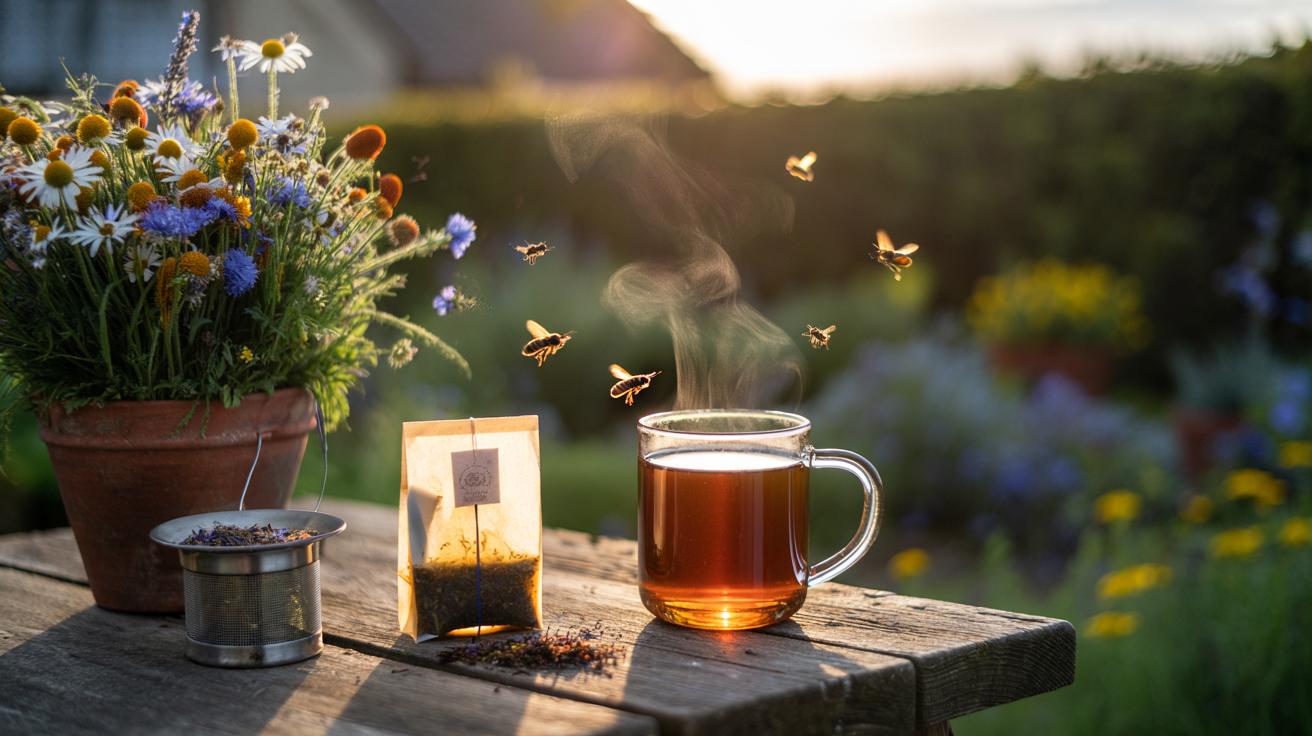
Britain’s tea habit is colossal. We brew at dawn, at desk, after dusk. Yet that soothing bag swirled in your mug hides a story about fields, insects and the future of our food. Experts say a simple swap — from plastic-sealed bags to plant-based or loose-leaf tea — can cut pollution, support wildlife-friendly farms and nudge retailers toward better sourcing. Small tweaks in millions of kitchens become large signals in the supply chain. Think of bees navigating hedgerows round Assam estates, or hoverflies patrolling a Yorkshire allotment. Your choice of tea bag touches both. The question is not whether tea matters. It’s how you want your daily brew to shape the world outside the window.
What’s Hiding in Your Cup: Plastics, Pesticides, and Pollinators
Many mainstream tea bags use a heat-seal made from polypropylene or bioplastics to hold their shape. It’s tidy in the box but messy in the environment. When steeped and binned, these materials can shed microplastics and complicate composting. Soil organisms encounter fragments that don’t break down like leaves do. Bees don’t eat tea bags, of course, but they do rely on healthy soils and clean water. Pollinators thrive where the land is less burdened by persistent plastic and chemical residues. A cup seems distant from a meadow; the link, however, runs through waste streams, soils and the farms that grow our leaves.
Chemical pressure is the second issue. On some tea estates, broad-spectrum pesticides still dominate. That has knock-on effects: reduced insect diversity, fewer flowering “weeds”, disrupted food chains. When buyers demand higher environmental standards, estates keep wildflower margins, plant native shade trees and reduce harmful sprays. That creates refuge for bees, butterflies, and the myriad small predators that keep pests in check. Your tea bag choice, multiplied across households, acts like a vote. It rewards growers who protect biodiversity and discourages practices that hollow it out.
There’s also waste. Plastic-lined bags often head to landfill. Compostable or stapled paper bags can return nutrients to soil via your caddy or council food waste. Turning a spent brew into compost is a quiet win for soil life, and healthier soil underpins flowers that feed pollinators across the seasons.
The Power of Plant-Based Bags and Loose Leaf
Switching to plastic-free bags or going loose leaf is straightforward and effective. Look for bags made from abaca (banana fibre), unbleached paper, or certified compostable biopolymers specifically designed for industrial composting. These options avoid conventional plastic seals and reduce microplastic concerns. Loose leaf goes a step further: less packaging, no bag at all, and often better quality leaves that support producers investing in careful agroforestry. The fewer synthetic components touching your tea, the cleaner the material stream that returns to soil. A simple metal infuser or reusable cotton bag carries you for years, trimming waste at the source.
Confused by labels? Use the table below as a quick guide. It won’t settle every brand, but it helps you read the small print with purpose.
| Option | Material | Bee/Biodiversity Benefit | Disposal |
|---|---|---|---|
| Conventional sealed bag | Paper + polypropylene | Potential microplastics; status quo on farms | Residual plastic; often not compostable |
| Plastic-free paper bag | Abaca/paper, no plastic seal | Less plastic pollution; signals demand for greener sourcing | Home or council compost (check local rules) |
| Compostable bio-based bag | PLA or similar from plants | Lower fossil-plastic use; can align with eco-farms | Industrial composting preferred |
| Loose leaf | Leaf only | Minimal packaging; often higher-welfare sourcing | Compost used leaves |
Choose the option you can maintain every day. Consistency beats perfection. The constant signal to retailers and growers encourages broader habitat protection — shade trees, living hedgerows, and reduced pesticide regimes that safeguard pollinators.
How Your Brew Can Back British Bees: Gardens, Compost and Community
It starts at home. Tip your spent leaves or plastic-free bags into a countertop caddy, then into a compost heap. As they break down, they feed worms, microbes and fungi — the soil food web. Healthier soil supports wildflower lawns, herb borders and community planters that buzz from spring to late autumn. Compost is not just waste management; it’s habitat building by another name. Add a shallow water dish with stones, leave a few hollow stems for nesting, and you’ve made a micro-reserve for solitary bees. The tea ritual becomes part of a pollinator corridor quilted across terraces, balconies and back gardens.
Now the sourcing side. Choose brands that publish farm data and fund restoration: native tree planting on estates, pesticide reduction, and training for integrated pest management. Ask shops to stock loose-leaf refills. Organise a workplace “tea audit” and switch the office kettle to compostable bags with a labelled caddy. These small acts loop into local services: councils improve food waste schemes when demand is visible; community gardens thrive on donated compost. Behaviour spreads quickly when it’s easy, social and saves money. Fewer plastics in the bin, richer soils in the bed, more pollen and nectar in reach — the chain is practical and immediate.
Labels That Count: Organic, Rainforest Alliance, and Regenerative Claims
Not all eco-badges are equal. The Soil Association Organic standard prohibits many synthetic pesticides and fertilisers and encourages wildlife habitats. The Rainforest Alliance focuses on ecosystem protection, worker welfare and climate resilience. “Regenerative” is newer and more variable; look for specifics: reduced agrochemicals, diverse cover crops, shade-grown systems, wetland protection. Meaningful certification turns promises into audited practice. It nudges estates to keep flowering strips, protect waterways and safeguard pollinators that underpin yields. If a brand won’t disclose which estates supply them, treat the green leaves on the box as marketing, not proof.
Price matters, especially in the cost-of-living squeeze. But trading up one tier — a box a month — can leverage disproportionate change. Retailers notice. Suppliers retool. Bees benefit as farms adopt habitat corridors and pull back from the most harmful chemicals. Pair that with packaging choices: plastic-free bags or loose leaf in tins. Ask for batch transparency and independent audits. Take note of where bags can be composted — home or industrial. Clarity on end-of-life is as important as the sustainability story at the farm. When you combine credible labels with plastic-free formats, your brew backs biodiversity twice.
Britain’s tea break is a national ritual, but it can also be a quiet act of restoration. Swap plastic-sealed bags for plastic-free or loose leaf, compost the spent leaves, and pick brands funding habitat on tea estates. One kettle, two minutes, real-world impact. The bees visiting your window box — and those foraging under distant shade trees — benefit from the same joined-up choices. Will your next box of tea help build that chain from mug to meadow, and if so, which switch will you make today?
Did you like it?4.6/5 (24)