In a nutshell
- 🔥 Grain warmth delivers gentle, sustained heat that boosts blood flow, relaxes muscles, and eases aches in minutes with a naturally moist feel.
- 🧵 Easy DIY heating pad: stitch cotton, fill two-thirds with rice (or other grain), add baffles for even heat, and keep everything dry and metal-free.
- ⚠️ Safe heating matters: start low, shake between bursts, test on wrist, and avoid use on broken skin or where cold therapy is indicated.
- 🌾 Best fillings compared: rice (steady, neutral), wheat (toasty), flaxseed (silky, mouldable), and cherry pits (textured, woodsy).
- 🧘 Mouldable, cordless, reusable comfort: the slight weight adds calming pressure, while targeted shapes soothe neck, back, and cramps efficiently.
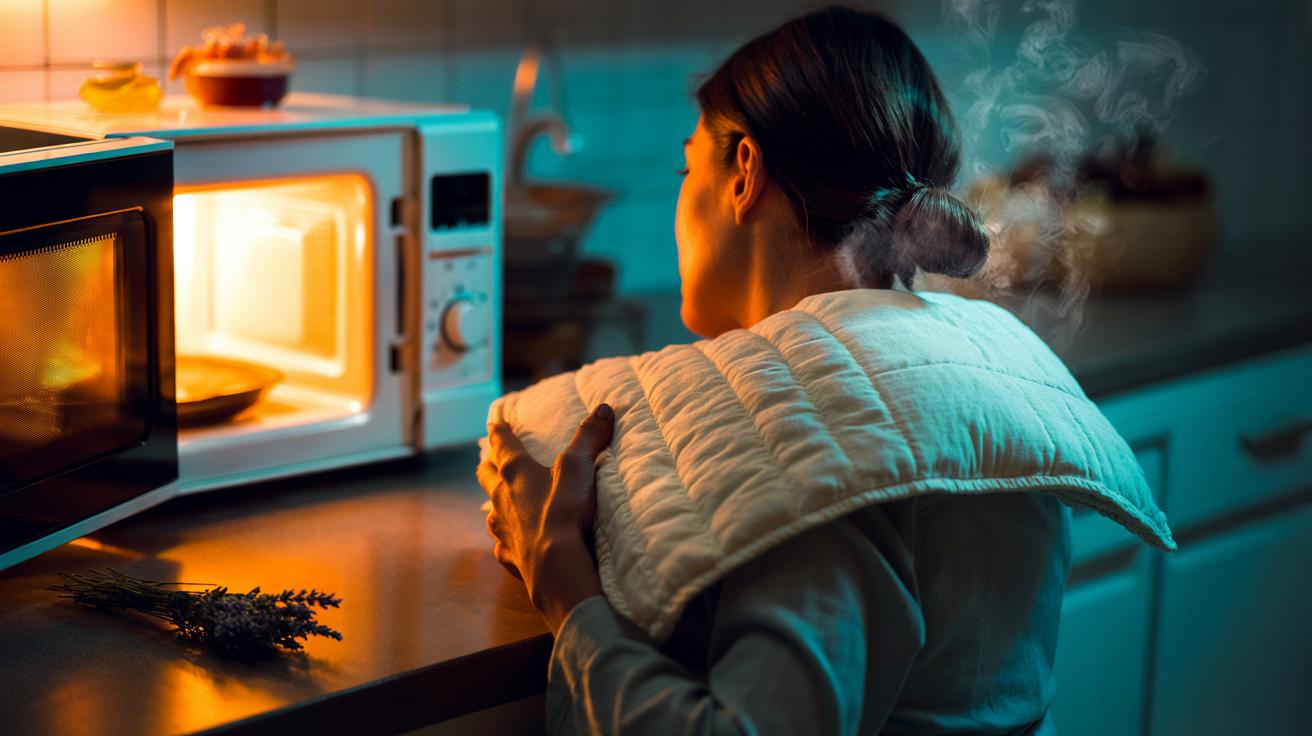
From winter-chilled fingers to stubborn neck cramps, a simple household staple can bring immediate comfort. A fabric pouch filled with grain and warmed in the microwave creates a DIY heating pad that is inexpensive, reusable, and astonishingly effective. The heat feels deep, not harsh. It wraps joints and muscles with a moist warmth that eases tension and softens stiffness. Because the grains release heat slowly, relief can last for 20–40 minutes without constant reheating. In a world of complicated wellness gadgets, the humble rice bag delivers quiet, dependable pain relief. Here’s why it works, how to make one well, and how to use it safely for fast, focused comfort.
The Science of Grain Warmth
Grains such as rice, wheat, and flaxseed store heat exceptionally well because they contain trace moisture inside each kernel. In the microwave, water molecules vibrate and generate warmth. That heat diffuses through the grain’s starchy structure, creating gentle, sustained warmth that doesn’t spike and fade. This slow release is the secret: it penetrates superficial tissues, encourages blood flow, and relaxes muscle fibres without scorching the skin. Physiologically, heat dilates blood vessels, reduces muscle spasm, and can dampen the pain signal at the spinal cord level. For many everyday aches—tight shoulders, menstrual cramps, arthritic fingers—the effect can be felt in minutes.
Unlike gel packs, grain-filled pads are mouldable. They nestle into the curve of a neck or wrap a wrist, distributing warmth evenly where it’s needed. The slight weight provides a soothing “grounding” pressure known as deep touch, which some people find calming. There’s practicality, too. No cords, no leaks, no charging. Just a reliable bag that can be heated quickly and reused hundreds of times with minimal fuss. When made from breathable, natural fabrics, the comfort feels soft, dry, and clean against the skin.
How to Make a Microwaveable Rice Bag
Choose a sturdy, all-natural outer: 100% cotton, cotton flannel, or linen. Synthetic fibres can melt or scorch. Cut two rectangles (for a neck wrap, 18 x 6 inches is versatile). Sew three sides with a tight stitch, turn right-side out, then fill two-thirds with uncooked rice or another grain. Stitch the final side closed. For even heat, add “baffles”: sew two or three vertical channels before filling so the grain doesn’t pool at one end. No metallic thread or embellishments—sparks and microwaves do not mix.
A quicker method uses a clean cotton tube sock: fill with rice, knot or stitch the end, and you’re done. To scent, add a teaspoon of dried lavender or a drop of essential oil mixed into the grains and left to dry thoroughly overnight. Keep the bag dry; moisture invites mould. Label it for microwave use only, and store it in a cool, ventilated spot between sessions. A well-made pad should last a year or more with regular use.
Typical heating: for a 500 g pad, start with 60 seconds in an 800–1000 W microwave. Shake, test, and add 15–20 second bursts until warm, not hot. Always test against the inside of your wrist. Spot-check seams for weakness and replace your bag if the fabric thins, smells burnt, or the filling discolours.
Safe Heating and Effective Use
Microwaves vary widely. Begin low and slow, then calibrate your personal routine. Never leave a heating pad unattended in a microwave, and never exceed two minutes in one continuous blast for a small bag. If steam or a scorched odour appears, stop immediately, let it cool, and reassess your timing. Place a mug of water beside the bag while heating to buffer dryness in older microwaves. After heating, shake the pad to disperse hot spots, and use a thin cloth barrier if your skin is sensitive or if the pad will rest on the same area for longer than 20 minutes.
Applications are simple and targeted. For neck and shoulder tension, drape across trapezius muscles while seated. For lower back ache, recline and position the pad under the lumbar area, supported by a cushion. For menstrual cramps, lie back and rest the pad over the abdomen. Heat cycles of 15–20 minutes, with short breaks, often work best. People with reduced sensation (such as diabetic neuropathy), infants, or anyone with impaired circulation should consult a clinician before use. Do not use over broken skin, fresh bruising, or acute inflammation where cold is indicated.
Best Fillings: Rice, Wheat, or Flax?
Different grains offer different comforts. Rice is the classic: affordable, widely available, pleasantly heavy, and consistent. It holds heat well without feeling sweaty. Wheat behaves similarly but can emit a toasty, nutty aroma that some love and others dislike. Flaxseed is lighter, with natural oils that release a silkier heat and exceptional mouldability around joints; it can feel luxurious for hands and knees. For a rustic option, cherry pits provide a massaging texture and a dry, woodsy scent, though they take a bit longer to warm.
Match filling to purpose. A heavier pad soothes the upper back and hamstrings because weight helps contact. A lighter pad suits the neck or migraines, where gentle pressure is preferable. If you’re scent-sensitive, choose plain rice or flax and skip botanicals. Whatever you choose, keep the filling dry and clean, and avoid mixed grains that cook at different rates. Below is a quick reference to help you decide what belongs inside your next DIY heating pad.
| Filling | Typical Microwave Time (700–1000 W) | Heat Retention | Texture/Aroma | Notes |
|---|---|---|---|---|
| Rice | 60–90 sec (500 g) | Good, steady release | Smooth, neutral scent | Low cost, widely available |
| Wheat | 60–90 sec | Good | Slightly nutty scent | Check for allergies if sensitive |
| Flaxseed | 45–75 sec | Very good, silky heat | Soft, oil-rich feel | Lightweight; great for joints |
| Cherry Pits | 90–120 sec | Moderate | Rustic, woodsy | Textured; gentle massage effect |
| Oats/Barley | 60–90 sec | Good | Coarser feel | Ensure completely dry before use |
There’s a reason the rice bag endures. It’s simple, frugal, and effective, delivering heat therapy precisely where your body asks for it. With smart fabric choices, the right filling, and cautious heating habits, you can craft a pad that tames aches in minutes, night after night. Small rituals of comfort make hard days softer. If you could tailor one pad for your needs—shape, weight, and scent—what would you build, and which grain’s warmth would you choose for your perfect at-home remedy?
Did you like it?4.6/5 (22)